


We need more women in politics
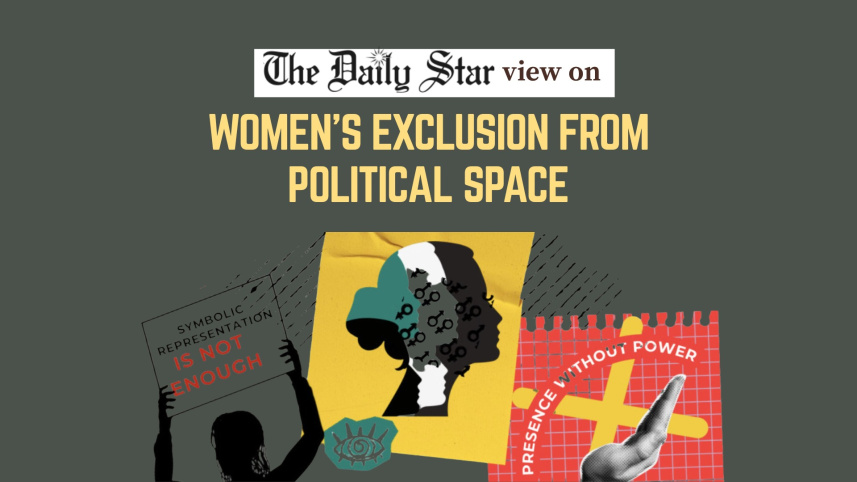
It is frustrating that despite the promises of last year's July uprising, where women played a key role, they continue to be systematically sidelined from political power. Over the past year, their participation has also declined across various sectors. A recent discussion organised by a newly formed platform called Women in Democracy has again highlighted this troubling reality. Sadly, the July National Charter has also failed to address women's rights or their political participation in a meaningful way.
Patriarchal dominance has, in fact, intensified since 2024, as speakers at the event noted. Harassment of women in public and digital spaces has reportedly increased, but political parties have shown little interest in taking up this cause. Women who entered politics after the uprising also face an increasingly hostile environment, ranging from cyberbullying to social pressure. This is most evident in the ongoing debate over women's parliamentary representation. The Election Reform Commission had proposed 100 reserved seats filled through rotation-based direct elections, a system that could have given women genuine democratic legitimacy. However, the National Consensus Commission rejected this proposal, and the July National Charter retained only 50 reserved seats (gradually increasing to 100), mandating that parties nominate just five percent women in general seats (rising to 33 percent by 2043). When women constitute half of the population, can offering them only five percent representation in parliament truly be considered democratic?

Unfortunately, our political parties seem to remain largely indifferent to women's political participation. The BNP's nomination of only ten female candidates, including its Chairperson Khaleda Zia, for the upcoming national election is a case in point. Reports also suggest that no party has taken meaningful steps to end the long-standing suppression of women activists and leaders within their internal structures.
Direct elections are crucial because they grant women independence, visibility, and legitimacy, none of which symbolic quotas can deliver. At the national conference of the Forum for Women's Political Rights (FWPR) held on October 9, activists rightly demanded that all political parties be legally required to nominate at least 33 percent female candidates, gradually rising to 50 percent, through amendments to the Representation of the People Order (RPO). Because without binding legislation, parties will continue to prioritise rhetoric over real change.
The July uprising ignited hopes among people to end exclusion, discrimination, and undemocratic practices. Yet the reforms enacted since then have fallen short of creating the inclusive democratic culture that people demanded. We urge all political parties, particularly major ones like the BNP, to include more women in decision-making positions. Unless women's participation within parties and their representation in parliament increase significantly, meaningful change in our political culture will remain elusive.
 For all latest news, follow The Daily Star's Google News channel.
Comments