


Recurring deaths of animals unacceptable

The alarming decline in animal populations at Gazipur Safari Park has once again exposed the scale of mismanagement in one of the country's important conservation sites. Reportedly, at least 37 animals have died or gone missing over the past five years due to negligence and theft. The recent death of the park's last giraffe–an ageing female imported from Africa–has brought the issue to public attention. While officials claim she died of tuberculosis, animal rights activists and wildlife experts see it as the inevitable result of poor veterinary care, inadequate habitat, and a lack of accountability of the authorities.

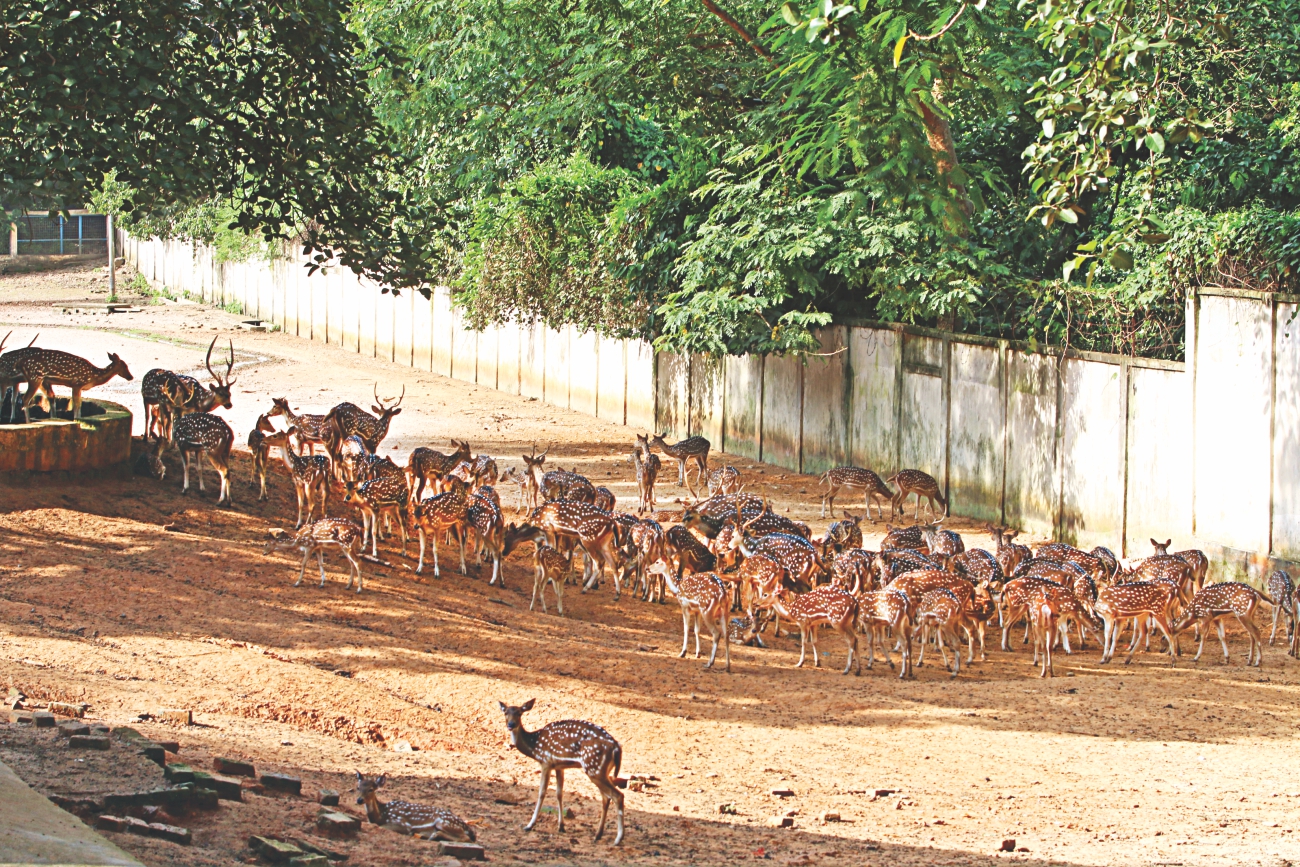
According to the park's officer-in-charge, several thefts and escapes have occurred in the park in recent years. For instance, two green-winged macaws were stolen in November 2024, three lemurs in March this year, and a nilgai escaped in January, while another fled in 2021. Although the macaws and one lemur were later recovered, these incidents expose the park's poor security. Moreover, the tragic loss of all 13 giraffes–once the park's major attraction–and the deaths of zebras, lions, tigers, and kangaroos over the past few years point to a much deeper problem. While authorities talk about fixing logistical glitches and plans to "strengthen walls" and "install help desks," they continue to ignore the core issue: conservation failure. The absence of professional zookeepers, modern health facilities, and scientifically designed enclosures has left veterinarians overburdened and animals vulnerable to disease and neglect.
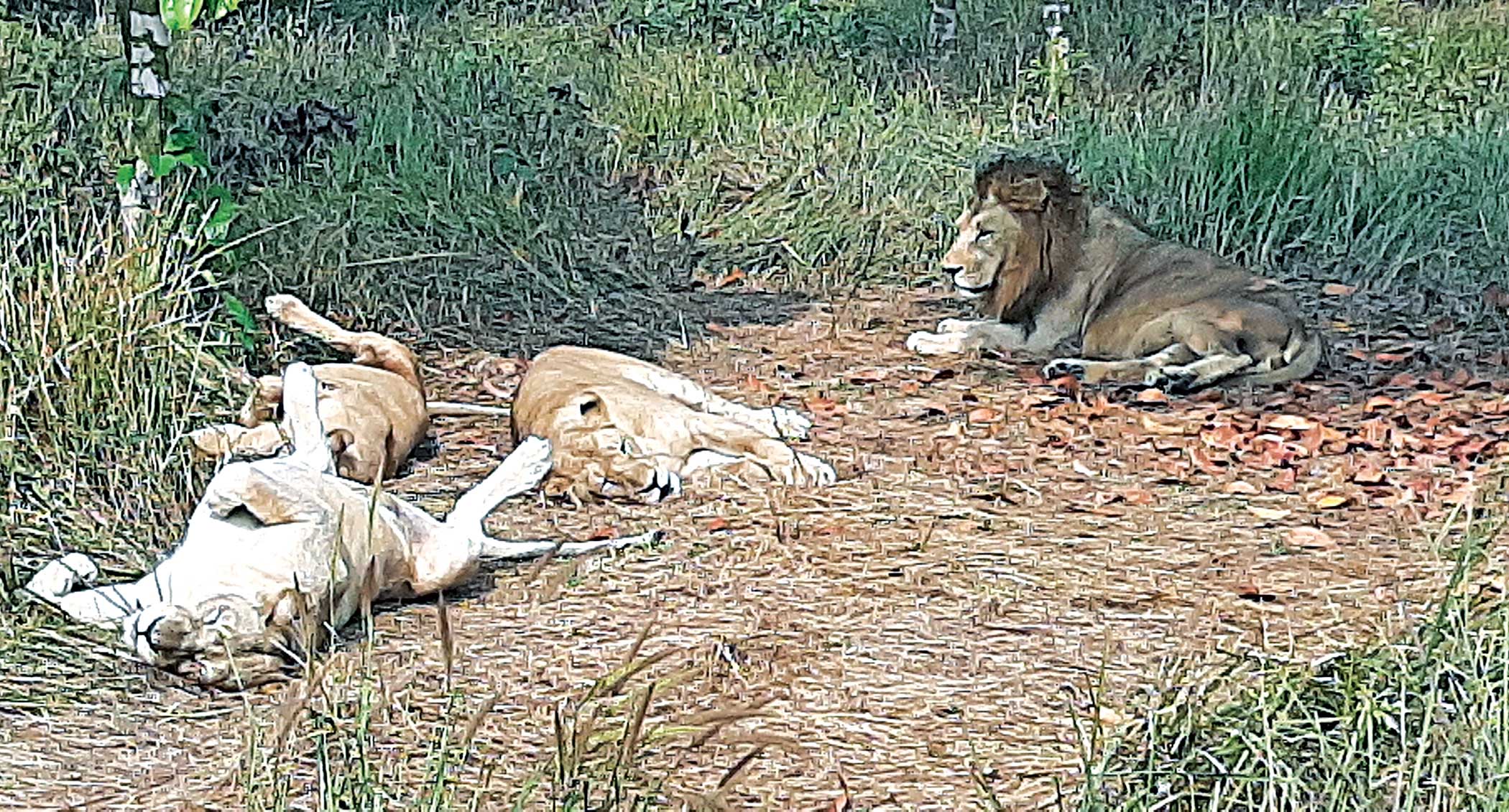
Animal welfare advocates argue that the park's vast 3,690 acres of land could have been a model of humane, semi-free wildlife management, but poor planning and lack of professional expertise have turned it into an ambitious project gone wrong. Importing animals without ensuring proper care is not conservation; it is cruelty. Experts point out that such facilities require multidisciplinary management, combining veterinary science, animal behaviour, habitat design, and tourism strategy, which is missing here.

The death of the last giraffe at the park should serve as a wake-up call. Authorities must investigate the park's operations, address structural flaws, and take decisive action against negligence. Most importantly, they should prioritise the welfare of animals–native and foreign alike, and make conservation the park's core mission. Moreover, rather than importing foreign species that struggle to survive in our environment, the park should focus on the country's abundant native wildlife and prioritise their rehabilitation. The environment adviser's proposal for a joint public-private management model for the park deserves serious consideration to ensure better, more professional oversight.
 For all latest news, follow The Daily Star's Google News channel.
Comments