


New family planning strategy a right move
The launch of a national family planning strategy is a welcome pivot. With this, the government is signalling a move away from the blunt instrument of population control to population management, a more nuanced, rights-based approach. This shift is a strategic necessity for a nation poised to graduate from its Least Developed Country status in 2026.
Bangladesh's achievements in family planning and maternal health are undeniable, with maternal mortality dropping from 574 deaths per 100,000 live births in 1990 to 236 in 2023. However, past success seems to have bred complacency, and the stagnation of the contraceptive prevalence rate at 64 percent for nearly a decade is a stark warning. The new strategy correctly identifies the challenges: a persistently high unmet need for contraception, alarming rates of adolescent marriage, and worrying regional disparities, particularly in Chattogram and Sylhet.


This new framework aims to align family planning with human rights and the Sustainable Development Goals, moving beyond simply hitting numerical targets for contraceptive use. It requires a fundamental reorientation of the healthcare system to ensure that "every pregnancy is by choice, not by chance," as the UNFPA representative, Catherine Breen Kamkong, aptly put it. Under this approach, individuals—especially women and adolescents—must be empowered with information and investment in youth is crucial. However, the fact that half of all girls marry before 18 cannot be ignored. This is a drain on the nation's human capital, not just a social malaise. An educated, healthy, and economically active female population is a proven catalyst for growth. Therefore, the strategy's focus on adolescents should be its main agenda.
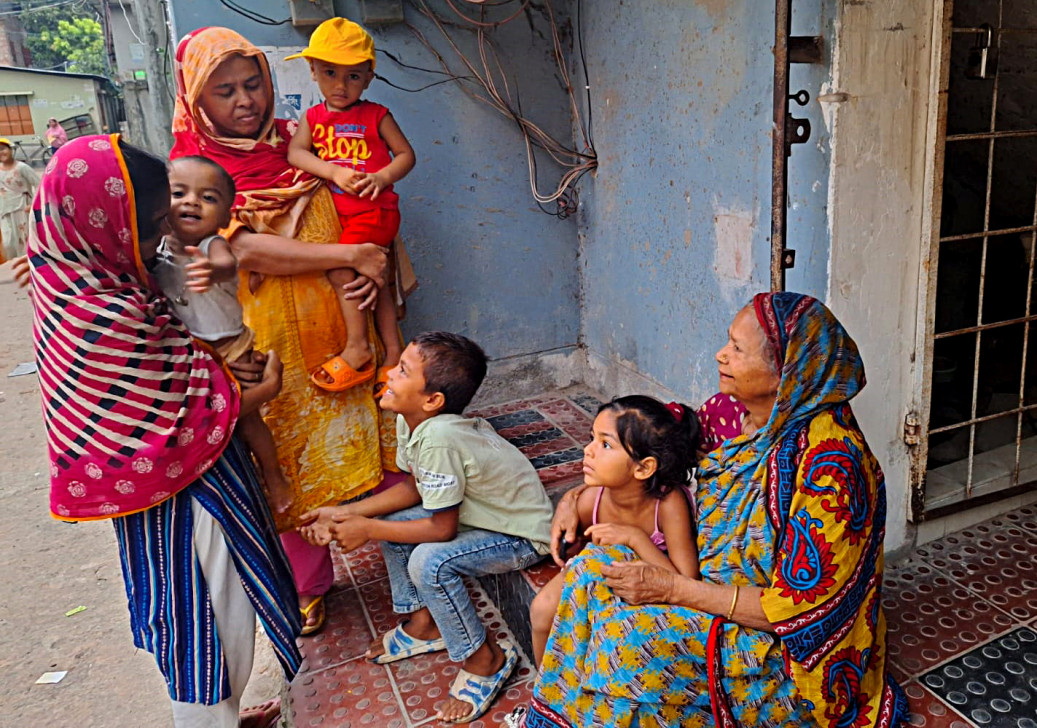
The government's emphasis on data-driven systems and comprehensive primary healthcare, as highlighted by its senior officials, is the correct path. Strengthening healthcare management at the primary level is the bedrock upon which universal health coverage is built. Furthermore, motivating and equipping field workers, improving birth registration, and fostering national research ownership are essential pillars that will determine whether this strategy succeeds. At the same time, relevant authorities must act quickly to resolve the contraceptive shortage that health centres have been facing for several months. Govt must increase access to free and affordable contraceptives for poor and remote communities, and address the high discontinuation rates of contraceptives and the reliance on short-acting methods through a more sophisticated, client-centred approach. Reaching marginalised communities in urban slums and lagging regions demands targeted interventions.
The National Family Planning Strategy 2025-2030 provides a coherent and thoughtful blueprint. Its success, however, will be measured not by its launch but by its implementation. It will require sustained political will, adequate funding, and a relentless focus on accountability. If Bangladesh can translate this strategy from paper into practice, it will not only safeguard the health of its women and girls but also secure a more equitable future for the entire nation.
 For all latest news, follow The Daily Star's Google News channel.
Comments