


We will ensure Dhaka-Delhi ties based on respect
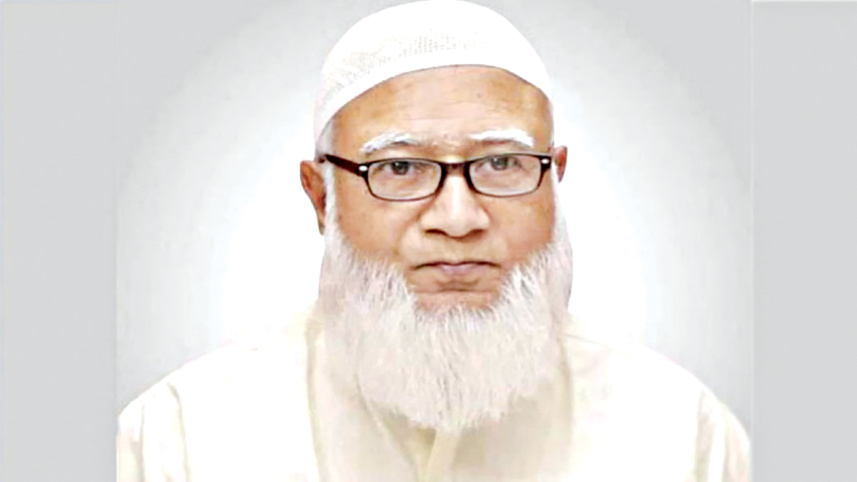
Jamaat-e-Islami Ameer Shafiqur Rahman yesterday said if elected to office, his party would ensure Dhaka's relationship with Delhi is based on mutual respect.
"We want to respect our neighbour, and in the same way, we expect respect from our neighbour," Shafiqur said in response to a question during a meeting with journalists in New York on Wednesday.

He said, "India is 26 times larger than Bangladesh. Its resources and manpower are much greater than ours. Considering that, we respect their position. However, they must also respect the existence of our small territory, home to nearly 18 crore people. This is our demand. If that happens, not only will both neighbours live happily, but one neighbour will also be respected in the global arena because of the other."
Replying to another question, he said, "I want to make one thing very clear: over the last 54 years, people of different religions have migrated from Bangladesh. We are not in favour of forcibly stopping anything, nor are we in favour of forcibly expelling anyone from the country.
"We do not believe in the concept of majority and minority. We say we need unity. Using the terms majority and minority itself creates division, which sets one group against another.
"If there is evidence of unlawful occupation of property over the past 54 years, we support its rightful return. That is our position."
Asked if he would meet any top political leaders in the US, the Jamaat ameer said, "I want to avoid answering this question for the time being in the greater interest."
At the same event, Shafiqur said, "Today, I publicly declare once again that from 1947 until this moment of October 22, 2025, it is now 8:11pm in New York, for all the suffering caused by us, to whomever, wherever… we apologise unconditionally."
The video clip of his statement is available on social media.
"Some people say, even if you haven't committed any specific crime, your political decision was not acceptable. You could at least offer an apology.
"We have offered our apology at least three times. Prof Ghulam Azam apologised, Maulana Motiur Rahman apologised, and I myself offer an apology.
"How can I say that we never made any mistakes till today? We are humans. Our organisation is a human organisation. Out of 100 decisions, 99 might have been right, but one could be wrong… So, if any of my decisions caused harm to the nation, what's the problem in asking forgiveness for that?
"After seeking forgiveness, some say it should not be in this language, or it should be in that language. I sought unconditional forgiveness, without any condition. What else is left?"
He said, "For all the mistakes we have made, knowingly or unknowingly, we are grateful to those who corrected us. And to those who were harmed by our mistakes, we seek forgiveness from them. Is there anything more to say? This is very clear and loud."
At one point, someone from the audience said some people ask Jamaat for an apology for its actions in 1971.
Shafiqur said, "Brother, have we made mistakes only in 1971? Not at other times? And those who tell us to apologise, are they angels?"
 For all latest news, follow The Daily Star's Google News channel.
Comments