


Hasina’s extradition: Delhi examining request, Dhaka expects response
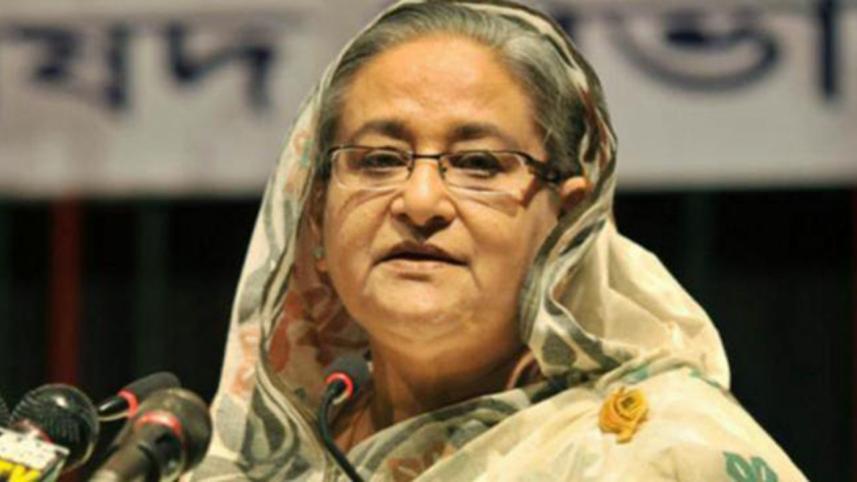
India yesterday acknowledged receiving a request from Bangladesh for the extradition of former prime minister Sheikh Hasina and said that the request was being examined.
"Yes, we have received the request. And this request is being examined as part of ongoing judicial and internal legal processes," Randhir Jaiswal, spokesperson of the Ministry of External Affairs, told reporters while responding to a question at a regular briefing in New Delhi.

Hasina has been staying in India since her ouster on August 5 last year.
Jaiswal said India remained "committed to the best interest of the people of Bangladesh, including peace, democracy, inclusion and stability in that country, and will continue to engage constructively in this regard with all stakeholders."
Earlier yesterday, Foreign Affairs Adviser Md Touhid Hossain said Bangladesh expects a response from India regarding the latest extradition request made after the International Crimes Tribunal-1 convicted Hasina for committing crimes against humanity during last year's uprising.
"I do not expect an answer within a week of Dhaka's request, but we do expect a response," he said during a press meet at the Ministry of Foreign Affairs.
On Sunday, Touhid said that Bangladesh sent a diplomatic note (note verbale) to India through its High Commission in New Delhi seeking Hasina's extradition.
According to UNB, the note verbale was sent after National Security Adviser Dr Khalilur Rahman returned from New Delhi, where he had attended the Colombo Security Conclave at the invitation of Indian NSA Ajit Doval.
Bangladesh had not received a reply to its first extradition request last year.
On November 17, ICT-1 sentenced Hasina and former Home Minister Asaduzzaman Khan Kamal to death. Former inspector general of police Chowdhury Abdullah Al-Mamun, a state witness in the case, was sentenced to five years in prison.
Following the verdict, Bangladesh urged India to immediately hand over Hasina and Kamal, citing the existing bilateral extradition treaty.
The Ministry of Foreign Affairs said, "It would be a grave act of unfriendly conduct and a travesty of justice for any other country to grant shelter to these individuals convicted of crimes against humanity."
 For all latest news, follow The Daily Star's Google News channel.
Comments