


AI is becoming a companion for some teens, and that’s a problem

Chatbots were originally designed to answer questions and help with tasks, but an unexpected trend is emerging: many teenagers are treating these systems as companions. What started as curiosity is turning into what experts describe as a form of AI addiction — not in the clinical sense yet, but as a pattern of reliance that can interfere with daily life.
This isn’t just about teenagers preferring technology over face-to-face interaction. It’s about the way AI is being used to fill emotional gaps. Teens are spending hours chatting with AI programs, not just for help with homework but for emotional support, encouragement, and social interaction. Some report talking to AI more than they talk to real friends.

The appeal is understandable. AI doesn’t judge, doesn’t interrupt, and is always available. For teens who feel misunderstood, lonely, or socially anxious, a chatbot can feel like a safe space.
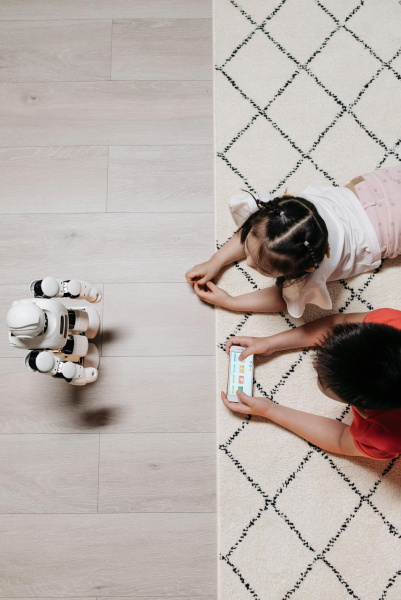
Providers of these technologies design them to be responsive, engaging, and empathetic, which only strengthens the habit. A conversation that begins with a homework question can easily turn into an emotional outlet.
But that convenience comes with a cost. A 2024 survey linked to trends in AI use shows that when children lean on technology instead of people, it can affect emotional development, school performance, and real-world relationships.
Because chatbots can mimic empathy without actually experiencing it, they give teens a sense of connection that isn’t grounded in mutual understanding. That can make real relationships feel harder, or less rewarding.
Experts point out that habitual overuse of any technology — in this case AI — starts to look like more than just a habit. Patterns include prioritising chatbot interaction over friendships, hiding usage from loved ones, and becoming distressed when access is restricted. These behaviours mirror what psychologists recognise as problematic tech use, similar to excessive gaming or social media addiction.
Parents can play a crucial role in recognising this early. Signs include sudden mood shifts when screen time is limited, declining interest in offline activities, and frequently using AI late at night. Conversations about technology often focus on safety and screen time limits, but with AI, the discussion needs to include how and why teens are using it.
Opening a dialogue without judgment helps teens reflect on their own habits. Rather than banning AI outright, what matters more is helping them find balance and understanding the difference between supportive use and dependency.

Setting clear limits and routines can help. Experts suggest designated tech-free hours, encouraging in-person interaction, and promoting hobbies unrelated to screens. Some families choose to check in daily about how technology made a teen feel — not just how long they used it. That shift from quantity to quality of use aligns technological tools with healthy emotional development.
There’s no simple fix. AI is here to stay, and for many it will be a useful resource. But when reliance on AI begins to replace real human connection or interferes with daily life, parents and caregivers need to pay attention. Helping teens navigate this new terrain is as much about emotional guidance as it is about digital rules.
AI doesn’t have to be the problem. Without awareness and limits, it can become a substitute for the support and connection that only real human relationships can provide.
 For all latest news, follow The Daily Star's Google News channel.
Comments