


Confused about voting? Here’s a step-by-step guide
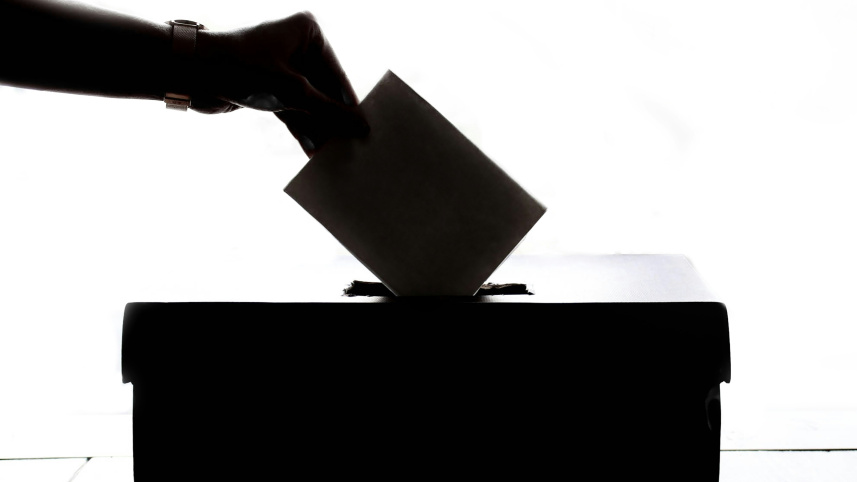
For many Bangladeshis, the upcoming national election on 12 February will mark their first encounter with the voting booth. First-time voters often feel unsure — not because they don’t care, but because the process feels unfamiliar. When people don’t know what to expect, they hesitate. That hesitation can quietly turn into absence. Understanding how voting works is the first step toward making sure your voice is counted.
Finding your polling centre before election day
One of the most common mistakes first-time voters make is arriving at the wrong polling station or not knowing where to go at all. The Election Commission has provided several ways to check this in advance.

The easiest method is by SMS. Type PC, leave a space, then enter your NID number and send it to 105. You’ll receive your voter number and polling centre details by return message.
You can also check online at https://ecs.gov.bd/polling-station by entering your 13-digit NID number, date of birth, and captcha. Be aware that the site may be temporarily unavailable due to high traffic.
If you prefer mobile apps, the Election Commission’s “Smart Election Management BD” app allows you to locate your polling centre on a map and view photos of the location.
If digital options fail, call the Election Commission hotline at 105. The toll-free service operates from 8 AM to 8 PM, and staff can provide your voting details over the phone.
What to bring on election day
You should carry your National Identity Card (NID), along with your voting serial number when you go to vote. This helps election officials verify your identity quickly at your assigned centre, though public discussion has not fixed a rule that voting is impossible without it.
If your NID card is lost or damaged, contact the EC at 105 for guidance before election day. In the meantime, a passport, driver’s licence, or other photo ID can help with identification, and any voter slip or registration certificate you have may speed up the process.
Having your voter slip – the paper with the serial number – can make the check-in faster because officials can locate your name more easily in the voter list.
How voting works inside the booth
On election day, arrive at your assigned polling centre between 7:30 AM and 4:30 PM. This extended window is meant to accommodate two separate ballots: one for the national election and another for the referendum. When you arrive, show your NID to the presiding officer. They will look for your name using your serial number and mark it off the voter list.
Once verified, you will receive two ballot papers — typically a white one for the National Parliamentary Election, and a pink one for the referendum. Before accepting them, check that each ballot bears the official seal and the signature of the election official.
You then enter a private voting booth — a secret room — and mark your choice by stamping next to your selected candidate’s symbol on each ballot.
After stamping, fold the ballot to conceal your choice and drop it into the sealed ballot box. Election officials or observers guard the boxes to ensure security. Once you leave the booth, your left thumb may be marked with indelible ink, and your name noted as having voted. At that point, you are done.
Rules you must follow at the polling station
Voting is confidential and peaceful by design. Taking phones or cameras into the voting booth or capturing images of ballots isn’t allowed.
Campaign materials — flags, posters or badges — are forbidden within 400 yards of a polling centre. Trying to influence voters, entering the booth with others, or acting disruptively can violate election law and may lead to penalties. Stay calm, patient, and cooperative with officials and fellow voters.
Why your vote matters more than you think
Elections are often discussed in abstract terms — numbers, parties, outcomes. But at a basic level, voting is about participation. When first-time voters stay home due to confusion or uncertainty, a large section of the population is effectively excluded. This election includes both the 13th National Parliamentary Election and a referendum, making participation even more significant.
On 12 February, show up informed. Your preparation makes your vote count.
 For all latest news, follow The Daily Star's Google News channel.
Comments