


Mutations in SARS-CoV-2 may result in escape variants resistant to therapeutics and vaccines
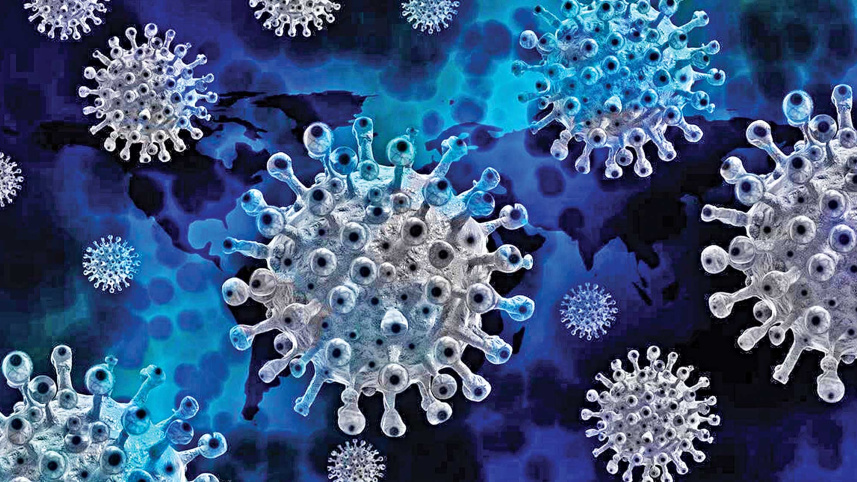
The SARS-CoV-2 virus is continuously evolving, and structural changes to the virus may impact the efficacy of antibody therapies and vaccines. A study published in PLOS Pathogens by Anshumali Mittal at the University of Pittsburgh, USA, and colleagues describe the structural and functional landscape of neutralising antibodies against SARS-CoV-2 spike protein and discusses its effects of mutations on the virus spike protein that may allow it to evade antibody responses.
All viruses mutate as they evolve, and most mutations have either negative or neutral effects on viral fitness. However, some mutations give viruses a selective advantage, making them more infectious, transmittable, and resistant to antibody responses and therapeutics. To better understand the relationship between immune responses to the SARS-CoV-2 virus and how mutations may allow the virus to escape neutralisation, researchers conducted a review of the literature, comprising approximately 139 studies. They synthesised research on emerging SARS-CoV-2 variants, described the structural basis of how antibodies may neutralise SARS-CoV-2, and mapped out the spike protein mutations or "escape variants" that resist antibody binding and neutralisation.

The researchers summarised the structure-based classification of the spike protein receptor-binding domains (RBD) that target antibodies to better understand the molecular mechanisms of neutralisation. They also described the RBD escape mutations for several antibodies that resist vaccine-elicited and therapeutically relevant binding antibodies. However, future studies are needed to better understand how these mutations may affect illness severity and mortality.
According to the authors, "The potency of therapeutic antibodies and vaccines partly depends on how readily the virus can escape neutralisation. The SARS-CoV-2 virus will continue to evolve resulting in the emergence of escape variants; therefore, worldwide genomic surveillance, better vaccination drive, development of broadly neutralising antibodies, and new drugs are vital to combat COVID-19".
Mittal adds, "Structure-based escape maps combined with computational modelling are valuable tools to understand how mutations at each residue affect the binding of an antibody, and can be utilised to facilitate the rational design of escape-resistant antibody therapeutics, vaccines and other countermeasures."
Source: PLOS Pathogens
 For all latest news, follow The Daily Star's Google News channel.
Comments