


Can smartwatches detect atrial fibrillation?
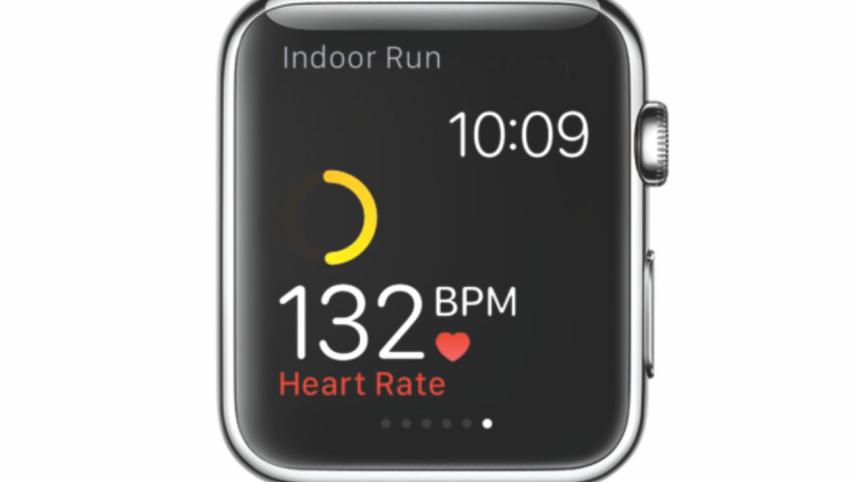
A deep neural network using smartwatch data detected atrial fibrillation (AF) accurately in cardioversion patients but less so in ambulatory people.
AF is associated with increased risks for stroke and other thromboembolic complications. By identifying asymptomatic AF, clinicians might be able to improve outcomes by instituting earlier use of anticoagulation. The rapid adoption of smartwatches in the general population may serve as an opportunity for population-based AF detection. To develop and train a neural network machine-learning model to detect AF, researchers used heart rate and step count data from 9750 participants enrolled in the Health eHeart Study, who were each fitted with a commercially available smartwatch. Data were obtained via a publicly accessible mobile phone app; its manufacturer provided some funding.

The findings show the potential of smartwatches to passively detect AF. However, challenges remain in generalising from study results to ambulatory populations who are constantly moving and so providing countless data points for interpretation.
 For all latest news, follow The Daily Star's Google News channel.
Comments