


Why 2016 still lives in our timelines

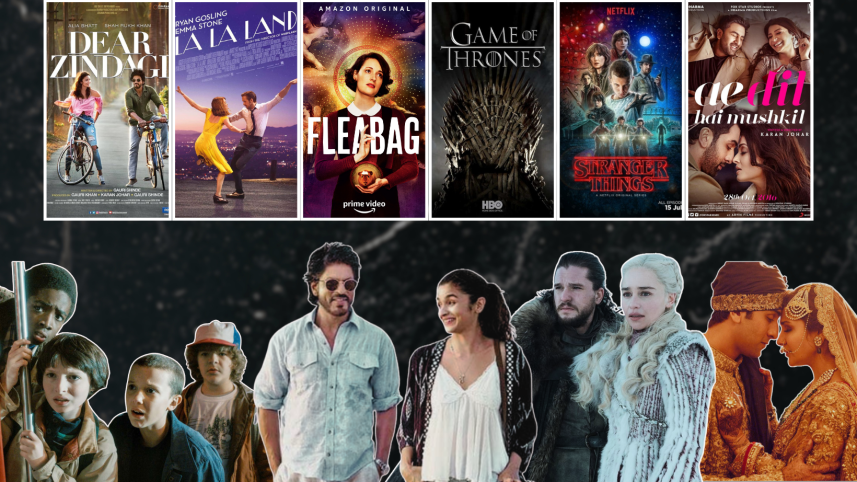
Open any social platform today and it feels like stepping into a familiar year. The fonts look softer, the edits feel grainy, the music hits straight in the heart. Social media has developed a clear fondness for 2016, a year when pop culture felt collective, emotional, and effortlessly cool. This return feels intentional, almost like a cultural instinct to revisit a moment when stories travelled slower and stayed longer. 2016 existed at a unique intersection of storytelling and community. Films, television, and music created moments that extended far beyond screens. Watching a show or listening to a song felt like participating in something larger. Social platforms served as gathering spaces rather than display windows. Posts carried emotion, opinion, and personality in equal measure.
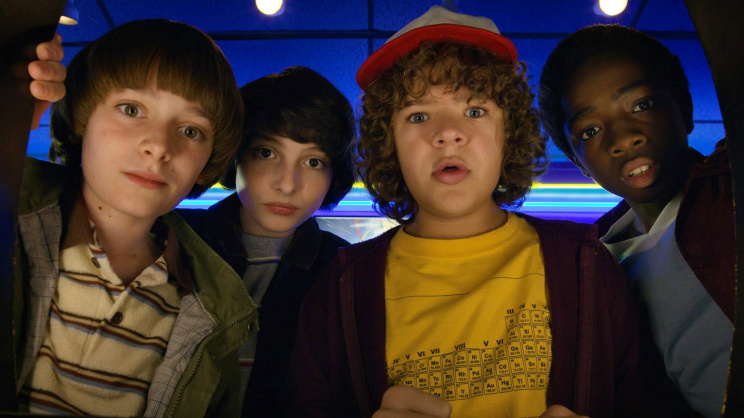
Global television experienced a defining shift that year. "Stranger Things" arrived as a shared experience rather than background entertainment. Kids on bicycles, synth-heavy scores, and small-town mysteries created a sense of wonder that travelled across timelines and group chats. Watching the show felt like participating in a moment rather than consuming content. Cinema reflected that same sincerity. "La La Land" captured ambition, longing, and the quiet tension between dreams and reality. Its songs became late-night companions, its scenes turned into captions, and its colours shaped an entire visual mood online. The film represented an era where being earnest felt stylish. Television also found its edge through honesty. "Fleabag" changed how characters spoke to audiences. The fourth wall felt personal, intimate, and slightly uncomfortable in the best way. The show embraced emotional messiness with precision and wit, making vulnerability look sharp rather than curated.


South Asian pop culture contributed powerfully to this shared moment. Bollywood in 2016 carried emotional weight that translated effortlessly across borders. "Dear Zindagi" entered conversations around growth, therapy, and self-awareness with warmth and ease. Shah Rukh Khan’s calm presence and Alia Bhatt’s restless energy resonated deeply with young audiences navigating adulthood. Dialogues from the film continue to circulate because they feel gentle, reflective, and human. Then came "Ae Dil Hai Mushkil", a film that leaned fully into emotional excess. Love felt intense, heartbreak sounded poetic, and music carried the weight of unsaid feelings. Songs like "Channa Mereya" transformed into emotional shorthand across social media, capturing longing in a way that felt dramatic yet relatable. The film defined an era where expressing too much felt natural.
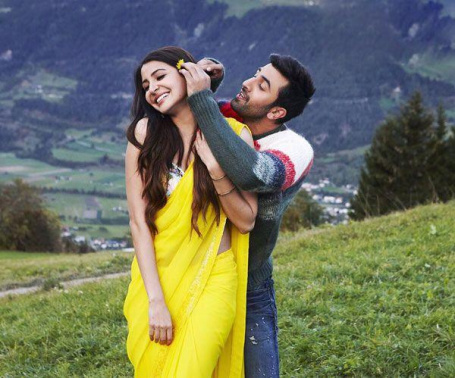
Bollywood music in 2016 moved like a shared language. "Kala Chashma" played everywhere, from weddings to college corridors, while softer tracks lived in headphones during long commutes. Songs stayed popular through repetition, association, and memory rather than trends. Music videos shaped fashion choices, emotional tone, and visual language across social platforms. Listening felt communal, and references felt universally understood.

International television also experienced a moment of collective anticipation. "Game of Thrones" turned weekly episodes into communal rituals. The internet gathered to speculate, celebrate, and react together. Memes carried context, discussions built anticipation, and storytelling unfolded in real time across platforms. Comedy and internet culture flourished with spontaneity. Short-form humour carried personality and timing rather than strategy. Memes emerged organically from shared moments. Online humour reflected current events, pop culture, and personal observation with speed and creativity. Social platforms supported experimentation and expression through immediacy. Fashion and aesthetics also aligned with this cultural openness. Tumblr-inspired visuals, handwritten fonts, candid photography, and expressive colour grading shaped online identity. Style felt exploratory and personal. Posts reflected mood and curiosity rather than precision. Expression carried emotional intention.
So why is 2016 everywhere again? Part of it is emotional economics. Nostalgia is cheaper than optimism. Revisiting old films and shows lets us remember a time before constant crises and algorithmic anxiety. It is not that life was easier, but the internet felt lighter. There is also an aesthetic rebellion happening. The imperfect edits and dramatic dialogues are a direct response to today’s hyper-curated digital identities.
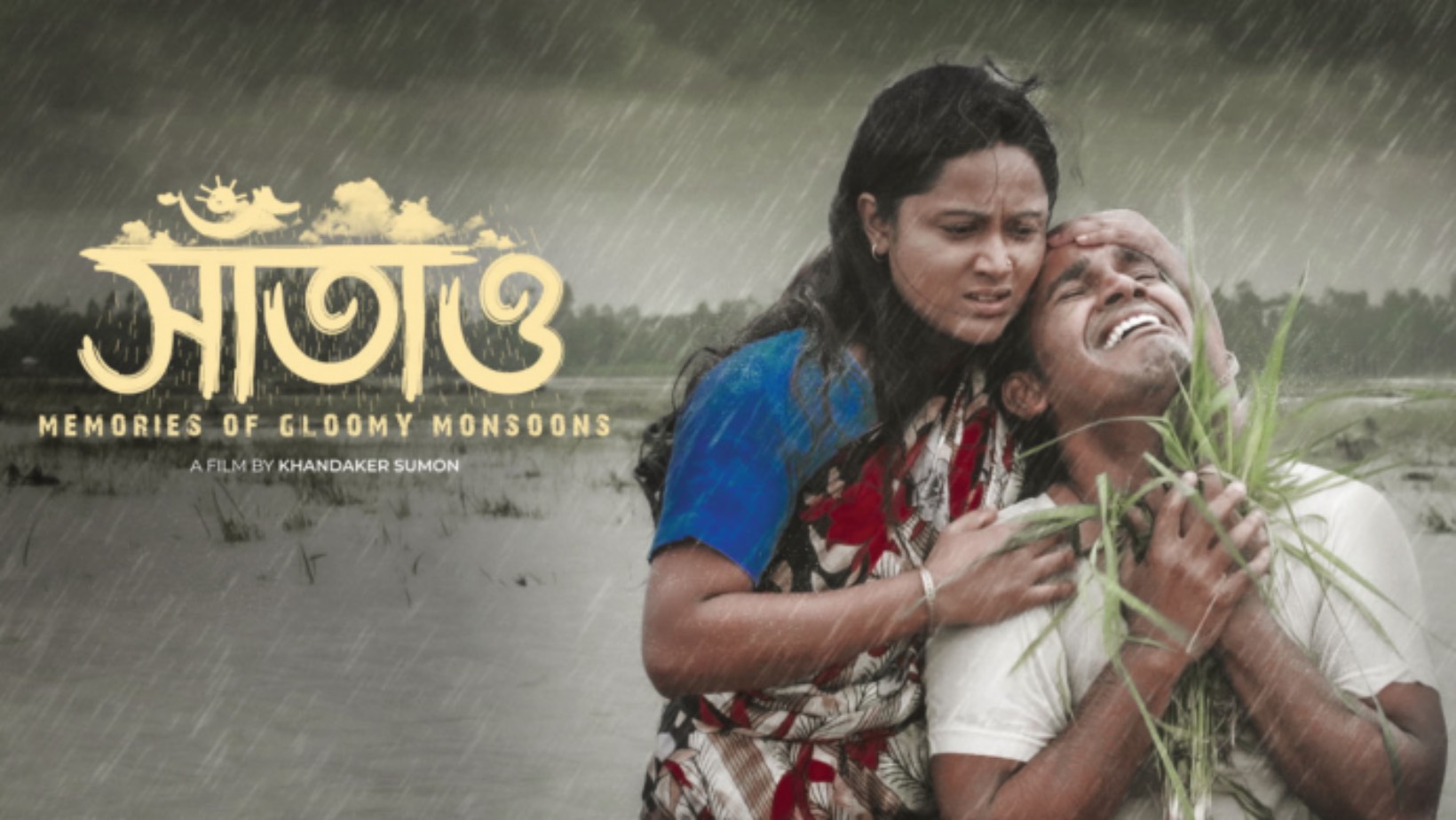
In 2016, content felt expressive, not performative. You posted because you felt something, not because it aligned with your brand. But beneath all the throwbacks lies something deeper. We are not just missing the content, we are missing how it made us feel. Less rushed. Less watched. Less optimised. Social media’s obsession with 2016 is not about living in the past. It is about searching for sincerity in a time that has forgotten how to be unfiltered. If 2016 was pop culture’s emotional peak, then today feels like its self-aware afterparty, which is still dancing, but constantly checking the analytics. And maybe that is why, we keep hitting replay.
 For all latest news, follow The Daily Star's Google News channel.
Comments