


Should we be hating the new ‘Wuthering Heights’?

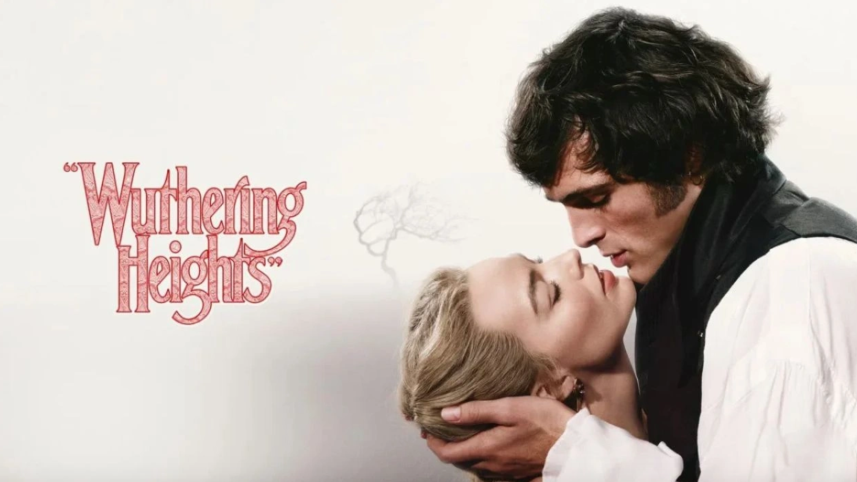
Few novels haunt popular culture the way “Wuthering Heights” does. Every generation believes it can tame Emily Brontë’s storm — and every generation is reminded that the storm refuses to be contained. The 2026 adaptation arrives not as a literary revival, but as a cultural battleground. Months before its release, debates around casting, tone, and directorial intent had already polarised audiences. But perhaps controversy is the most faithful tribute to Brontë’s unruly classic.
Walking into the theatre as an English major, I was prepared for disappointment. The backlash surrounding casting decisions, the ambiguous public comments from director Emerald Fennell, and the trailer’s noticeably heightened sensual tone seemed to signal a potential misreading of the novel. Many online critics accused the film of romanticising what is, at its core, a deeply disturbing exploration of obsession and class resentment. It felt like a disaster waiting to unfold.

Yet the film resists being dismissed so easily.
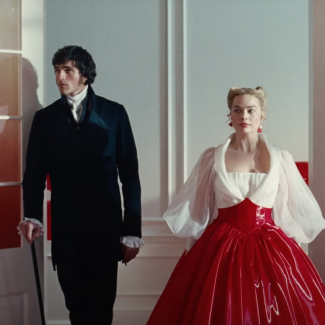
This is not a soft-focus period romance designed to aestheticise misery. Nor is it an overtly gothic spectacle. Instead, the film leans heavily into atmosphere. The moors stretch endlessly, creating a visual isolation that mirrors the characters’ emotional estrangement. Interiors feel whimsical rather than muted, defying the restrained palette typical of period dramas. The cinematography elevates the narrative, offering a strikingly modern perspective. Even the quotation used in the title feels deliberate, as the bright colours and historically inaccurate fashion signal Fennell’s distinctly personal interpretation. And the soundtrack by Charli XCX adds an unexpected contemporary edge that resonated strongly with audiences.
What makes this adaptation particularly divisive is its reframing of obsession. Earlier versions often emphasised cruelty, revenge, and psychological torment. The 2026 film, however, lingers on longing. It foregrounds emotional hunger — the ache of wanting something unattainable. In doing so, it shifts the narrative slightly away from brutality and toward romantic fatalism. Whether that shift is a betrayal of Brontë or a reinterpretation is where the debate lies.
The performances do much of the heavy lifting. Heathcliff is portrayed less as a brooding anti-hero and more as a wounded force shaped by humiliation and exclusion. His anger feels rooted in displacement rather than pure malice. Catherine, meanwhile, is electric and unpredictable, oscillating between defiance and vulnerability. Their dynamic feels less like an idealised romance and more like a collision of ego, trauma, and desire. Both Jacob Elordi and Margot Robbie did a great job but the PR stunts and age sort of dimmed the impact.
The pacing of the film may test audiences accustomed to faster storytelling. The restraint can feel immersive to some, but frustrating to others.
So, should we be hating it?
That depends on what we expect from “Wuthering Heights”. If one views the novel purely as a gothic tragedy grounded in social critique, this adaptation may feel too romanticised. But if one sees Brontë’s work as an exploration of obsessive love as destiny — destructive, consuming, inevitable — then this film arguably captures that spirit in its own way.
Perhaps the discomfort surrounding the 2026 version says more about us than it does about the film. We are uneasy with stories that refuse moral clarity. We are suspicious of adaptations that reinterpret rather than replicate. But “Wuthering Heights” has never been comforting. It unsettles, it provokes, and it resists easy categorisation.
And maybe that is exactly what this version understands.
 For all latest news, follow The Daily Star's Google News channel.
Comments