


Life after shutdown: Bangladeshi children most worried about family finances
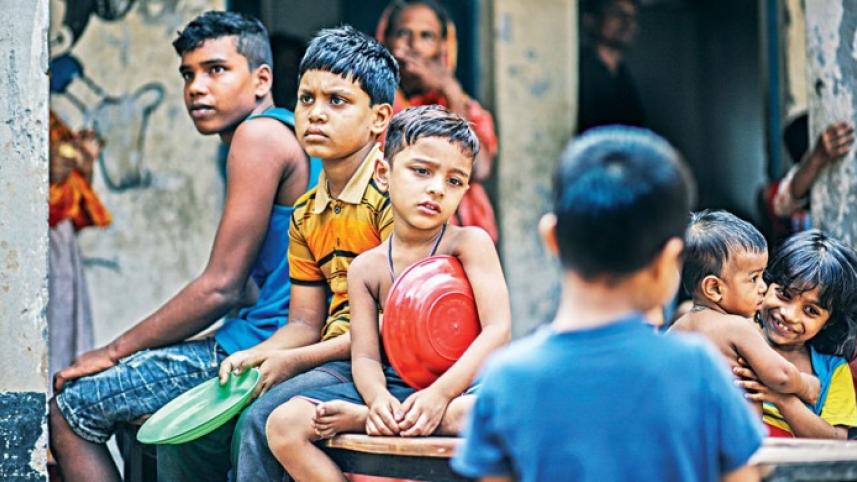
About 40 percent children in Bangladesh believe that life after coronavirus shutdown will be more complicated, according to a study conducted by Educo, an international NGO focusing on education and child protection.
More than 500 children in Bangladesh participated in this global survey through online and phone interviews between May 7 and 23 this year. Of them, 56 were girls.

More than 4,500 children and youth aged between five to 24 years participated in the study conducted across ten countries in Africa, America, Asia, and Europe.
Schools in Bangladesh remained closed since late March due to the coronavirus pandemic. A small portion of schools run online classes, and parents and children are concerned when schools will open and how they can begin a full-fledged education life as the pandemic continues its onslaught on people's lives.
The Educo study sheds some light on the state of mind of children. It found children in Bangladesh were worried most about their family's finances.
Twenty percent of Bangladeshi children said they are most concerned about adults not being able to go back to work.
"Children are very aware of what is going on around them and the impact of the situation on the family," Abdul Hamid, country director of Educo Bangladesh said in a statement yesterday.
Although children are not normally seen as the face of this pandemic, experiences suggest that such economic hardships have tremendous effect on their emotional and mental wellbeing, he said.
When asked what they have missed the most, children highlighted seeing friends (22.88%) and going back to school (21.8%) as their key priorities. They perceived that their life will be more difficult after the lockdown (42%).
Nupur Akhter, who has successfully completed her SSC in 2020 said she is waiting to step into a new phase of life but everything is stagnant now. She is anxious of how everything would be when the situation normalises.
"Attending classes, meeting with friends, group studies won't be same, instead it would be a matter of disquiet for me and my family."
Ehsanul Hoque, programme specialist at the Terre des Hommes Netherlands, said all of these results show school is not just a place where children go to learn their lessons.
"It is also a place for relationships, diversity and personal growth through which they access new experiences and opportunities for their development as a whole," he said.
On a positive note, about 22 percent participants have asserted they most appreciate about the current situation is being able to spend more time with their families, having more free time at home and the support of their family with their studies.
Globally, 18 percent respondents from across the globe said they think their situation after the lockdown will be worse, while 29 percent were not sure about what their future would look like.
When asked about what worries them the most, 22 percent respondents said they or their families might get sick.
For 19 percent students globally, the thing that worried them the most was that the adults in their family were unable to go out to work. More than 17 percent worried that there would not be enough money to pay for what was needed at home, the study found.
 For all latest news, follow The Daily Star's Google News channel.
Comments