


A mother’s fight against coronavirus, as documented by her son
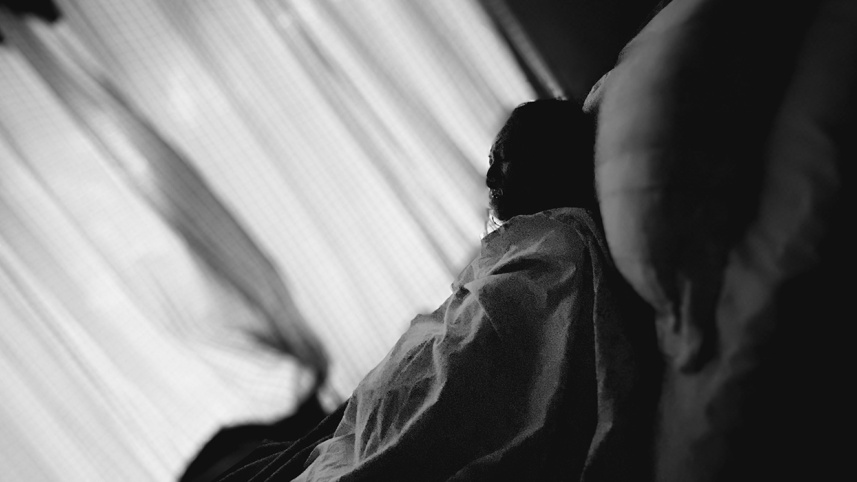
Below is a day by day account of a family caught up in the coronavirus pandemic. It's the story of a son, trying to assist his 63-year-old diabetic mother in her fight against Covid-19. Caught in this crisis, Saad Solaiman resorted to his camera -- photographing and documenting each and every moment of the infection, how the family responded, how his mother recovered and what we all need to know about this virus that has the whole world at a standstill.
The Daily Star edited and condensed some parts of Saad's account for easier reading:
"There are things in life scarier than ghosts and ghouls. I know you see many stories about deaths from Covid-19. I'm here to tell you it's possible to fight it. Today I will to tell you all how my mother survived the virus against all odds.
She is what we consider to be a risky patient. She is 63 and has diabetes, previous major surgeries, blood pressure -- all considered to elevate "risk factors" when it comes to coronavirus.
I have put up a photo story for you all to understand the intensity of the situation. Those who want immediate access to the guidelines that I recommend, please read on. There is a lot of misinformation out there. You need to understand the disease to treat it. Here are my facts:
Day 1-4:
Mom has been having mild headaches and experienced a rise in her blood pressure level. But that's normal and she is on medication for blood pressure.
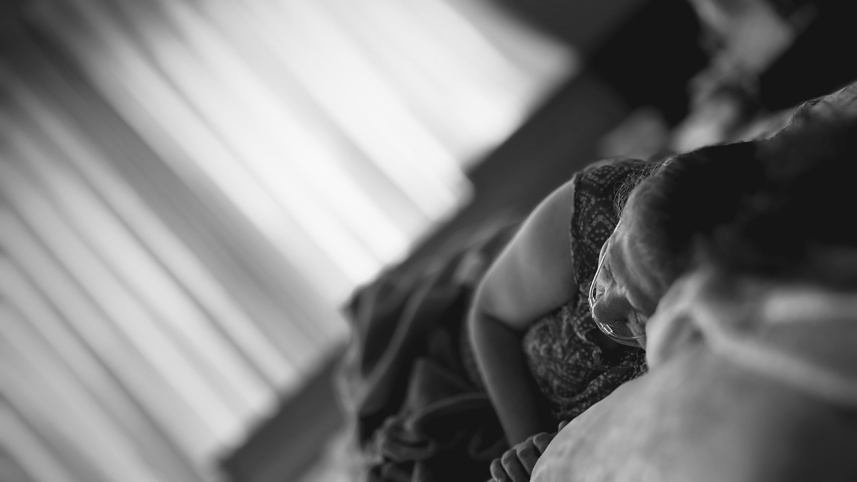
Day 5:
She was feeling some weakness in her day to day activities and needed to lie down during the day time.
Day 6:
She was lying down most of the day.
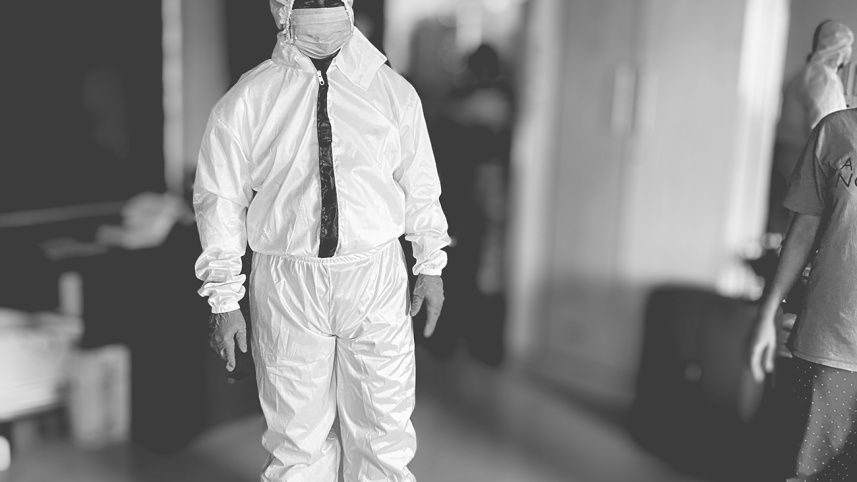
Note: These were not symptoms of Covid-19. Or so we thought. There is a published list of symptoms. I have come to learn from my experience that the list is quite misguided, especially when it comes to the elderly. People suffering from Covid-19 are not dying from Covid-19. People are dying from something called hypoxia. At least, in this case what has been termed "silent hypoxia". The virus causes some damage to the lungs. The lungs as a result cannot retain as much oxygen as they should. In a normal situation, the body reacts by breathing faster or longer and these symptoms can be seen. But the problem with Covid-19 is that the lungs have been damaged and they are retaining less oxygen, BUT the patient doesn't struggle to breath. It's almost as if the brain has forgotten to tell the lungs that more oxygen is needed. So, there are no symptoms of heavy breathing but the body falls weak. By the time there are symptoms of shortness of breath, it's too late.
Day 7:
Dry cough. We start suspecting Covid-19 but attribute the cough to her tendency to stay in an air-conditioned room for long periods of time.
Day 8:
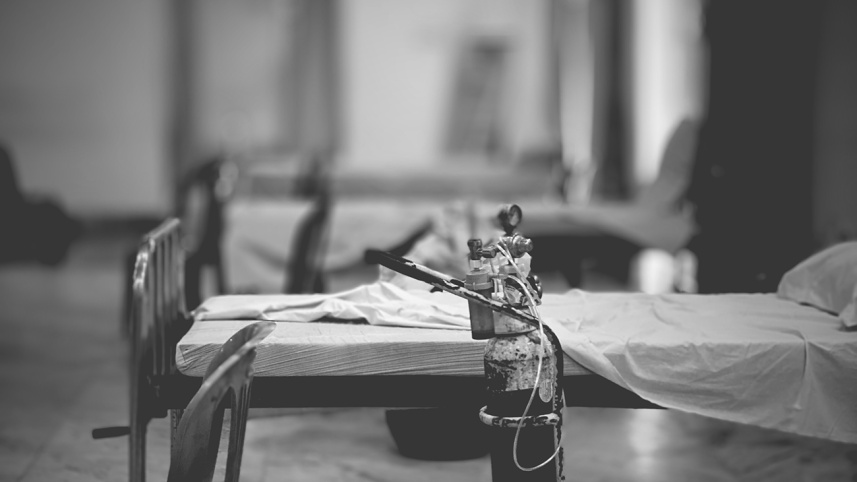
Extreme dry cough accompanied by shortness of breath.
Note: It seems that the dry cough was not because of cold. It was because the lungs were by then damaged enough to be struggling to breathe. Covid-19 had starved the lungs of oxygen long enough by damaging it and because it blocked the body from letting the brain know that oxygen is lacking, the brain didn't understand this need until it was too late.
- At this point, mom's body was forcing the lungs to provide more oxygen.
- An Oximeter check showed mom's oxygen saturation (SpO2) was less than 89%. This meant the body was getting dangerously low amounts of oxygen. An adult human body needs an SpO2 of 95%-99% at any given time. Anything below 95% is dangerous and anything below 90% is deadly.
Day 9:
I realised that if mom's body kept going on with an SpO2 less than 90%, the lungs and other organs are going to start failing. So, we brought in an oxygen cylinder and started giving her supplementary oxygen through a mask.
Note: The SpO2 needs to be at 97%-98%. This can be achieved by providing supplementary oxygen through a mask and oxygen cylinder.
Day 10:
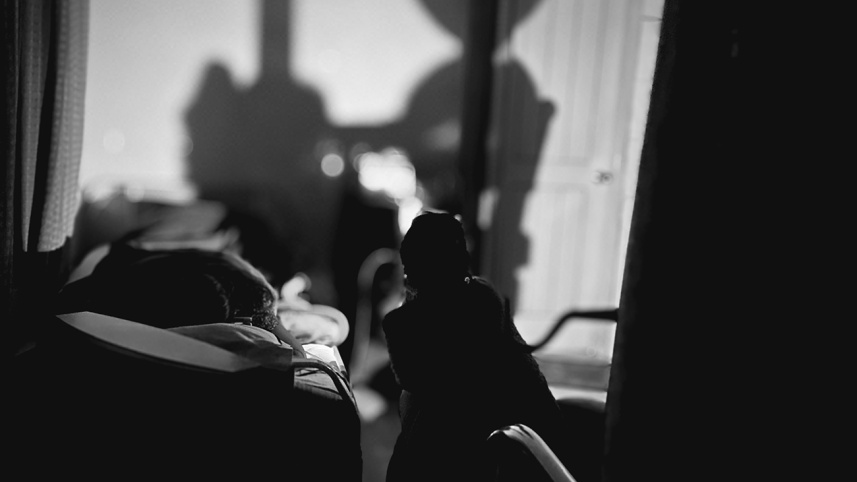
My sister and I got a room at a local hospital and locked ourselves inside with mom so that the virus can't spread to anyone else at home. With the advice of doctor who is a family friend we started administering:
- Hydroxychloroquine Sulphate (tablet: Reconil) which is a drug for malaria. 1 in the morning and 1 at night.
- Azithromycin 500 (tablet: Azyth), an antibiotic. 1 in the morning and 1 at night.
- Montelukast Sodium (tablet: Montair). Medicine for asthma. 1 a day.
- Rivaroxaban 10 (tablet: Rivarox) an anti-coagulant to stop any blood clot. 1 in the morning and 1 at night.
- Favipiravir 200 (tablet: Favipira) Influenza virus drug. A booster dose of 8 tablets on the first day and then 3 tablets in the morning and 3 tablets at night.
- Methyl Prednisolone 16 (tablet: Methipred). Deals with a lot of diseases including respiratory diseases.
- Xinc 20 (tablet: Xinc). A zinc supplement. 1 in the morning and 1 at night.
- Vitamin D (tablet: Osteo D). A vitamin D supplement. 1 in the morning and 1 at night.
- Moxifloxacin Hydrochloride (tablet: Optimox). Sinusitis medicine. 1 in the morning and 1 at night.
Note: The patient must stay on supplementary oxygen with mask and cylinder all the time and must have an oximeter attached to the finger which monitors the blood oxygen saturation.
- The treatment involves medicine as mentioned above. These drugs look after several areas. Reconil, Azyth and Favipira went after the virus to hold off its effects.
- Rivarox looked after the blood clotting which can happen when the body is fighting off the infection with the immune system.
- Methipred deals with a lot of diseases including respiratory diseases.
- Zinc and vitamin D were being administered so the body has enough when the immune system needs it.
Day 11:
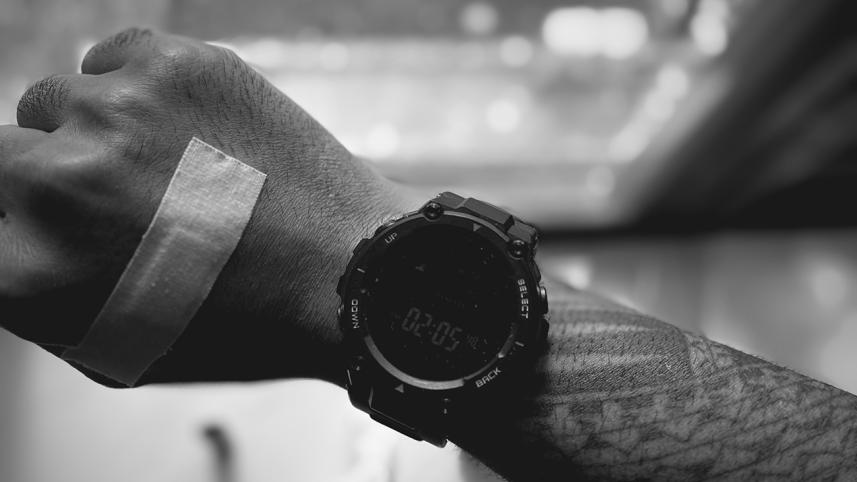
With oxygen levels being maintained at 97%-98% mark and the medicines taking care of the virus' effects, it was now time to boost the immune system so that it can be strong enough to fight off the virus out of the body.
Note:
- The answer to strengthening the immune system is food and plenty of sleep.
- Hemoglobin in the red blood cells is what carries the oxygen to be delivered to organs. At the same time minerals like iron, vitamin D and zinc are all needed in the body.
- We gave her eggs and bread in the morning. Rice, meat and vegetables in the afternoon and the same at night.
- In between meals, we started giving her chicken soup.
Day 12-17:
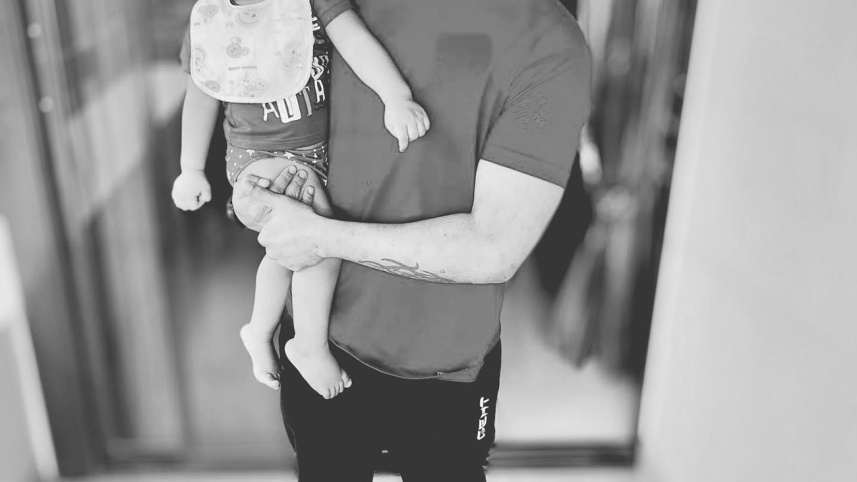
Whenever she was awake, we started giving her steam to breathe in. The steam was made from ginger, cloves, cardamoms, cinnamon and mint leaves. I learned "chest percussion therapy" from YouTube videos and was applying these techniques immediately after the steam so the cough inside her lungs would come loose and every time I did this, she would cough out mucus, which meant it was working.
Note:
- Medicine is only one part of the story. Steam and percussion therapy plays an extremely huge role.
- Learn on YouTube how to get the patient to do "proning". It is a technique of getting the patient to lie facing down on the bed.
- And let the patient sleep as much as possible. The immune system works better when the patient is asleep because all the body's energy is available to the immune system to fight off the virus.
Diabetes: It is extremely important that the patient's diabetes is kept under control. I got a diabetes testing kit and started maintaining a chart. Get the reading before a meal and two hours after a meal
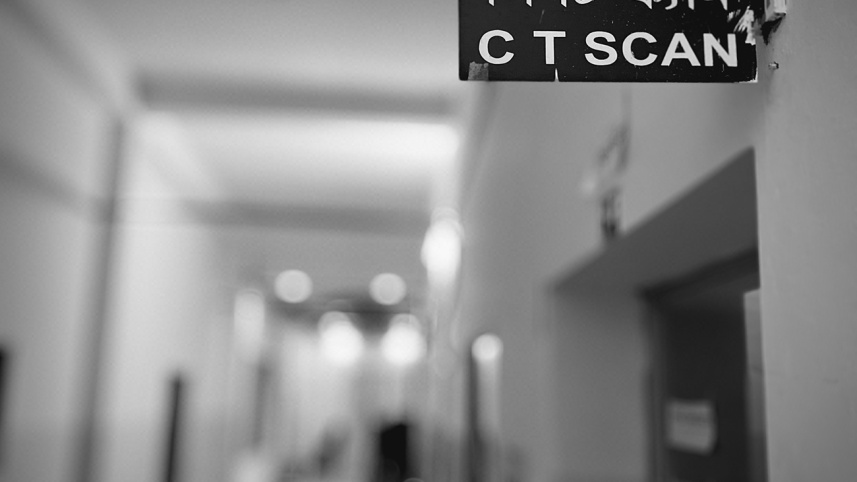
X-Rays and CT Scans: You'll get an understanding of what the condition of the lungs reflect. If there is something called "ground glass lesions" in the report, move forward to treating it as Covid-19.
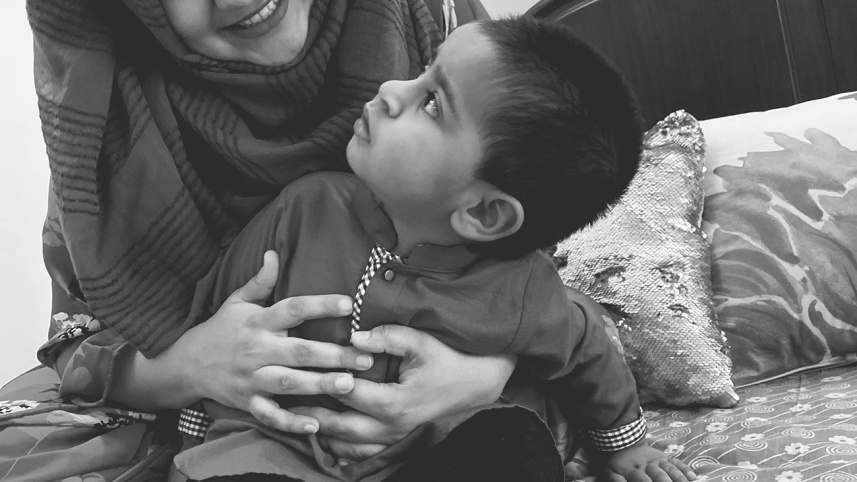
Blood Tests: Get these tests done every five days. CBC -- Complete Blood Count including electrolytes (electrolytes are the levels of minerals in the body like potassium or sodium etc.) The white blood cell counts like lymphocites etc may be a bit up or down but that's okay, this happens when the immune system is fighting an infection. CRP -- C-reactive protein (detects inflammations in the body).
The result will be high at first because Covid-19 causes inflammations but will go lower as the inflammations start to go away.
Ferritin test -- To check the level of iron in the body. Iron has a huge impact on the body's capacity to carry oxygen
Day 18:
We started taking off the oxygen mask for brief periods of time.
Note:
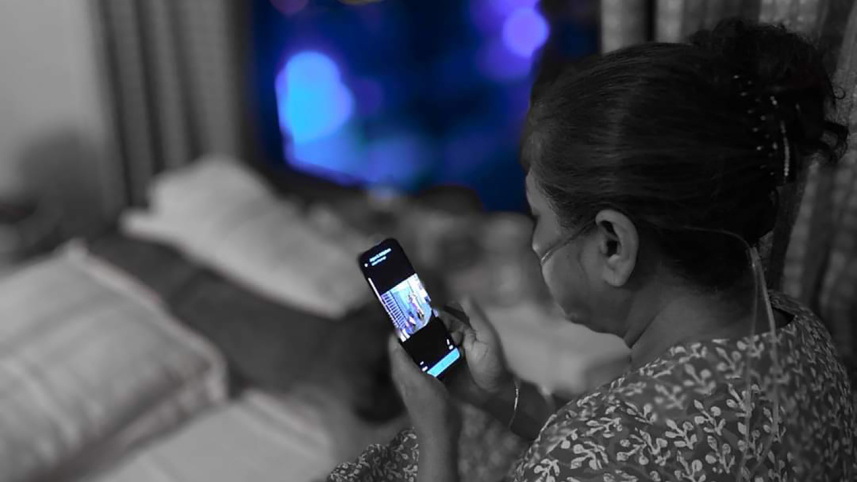
First for half an hour. She maintained SpO2 at 93%. We put the mask back on for 5 hours. Then we took the mask off again for 2 hours. She maintained SpO2 at 93%-94%. While she slept at night, we always kept the mask on to maintain the SpO2 at 97%-98% because it is during sleep the immune system fights most effectively and we made sure it had all the oxygen it needed. We started taking the mask off for 6 hours next. SpO2 maintained at 94%-95%
Day 19-21:
We kept her off the oxygen mask for an entire day except only when she slept. SpO2 without the mask was maintained at 95%-96%
Day 22:
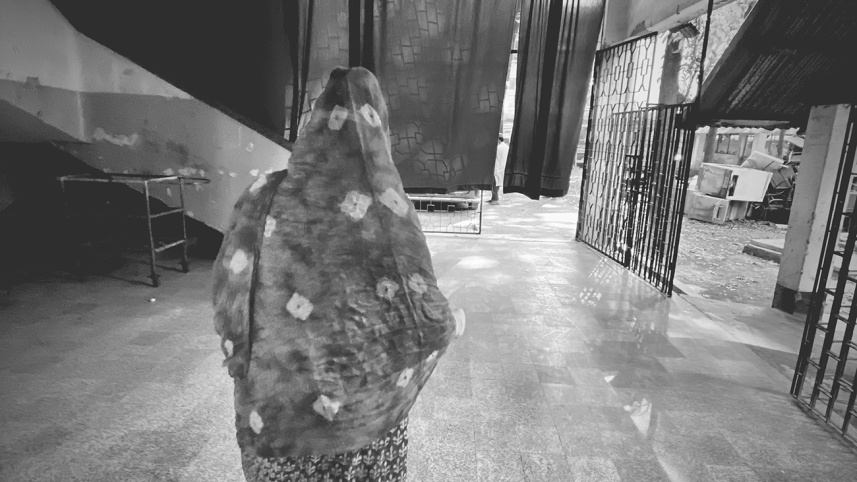
We brought her home when we saw that she is able to maintain an SpO2 of 95%-96% without the oxygen mask for 3 days. But we still make her put on the mask at night for a few hours when she sleeps. We will keep doing this until her SpO2 reaches a steady 97%-98%.
Final Note:
This was our story and is specific to the situation of my mom. Your situation may be different in many ways. You may not have diabetes or blood pressure. You need to do your research specific to your situation. This post is meant to provide basic guidelines in relation to where to start off.
Remember, you are not treating Covid-19. You are treating hypoxia. That should be your starting point.
Resources:
How to operate oxygen cylinders: https://youtu.be/q5WeWGgeXX0
To research medicine: http://medex.com.bd
Comments