


CMS, ILO hold media advocacy programme on migrant-centric reporting at NSU
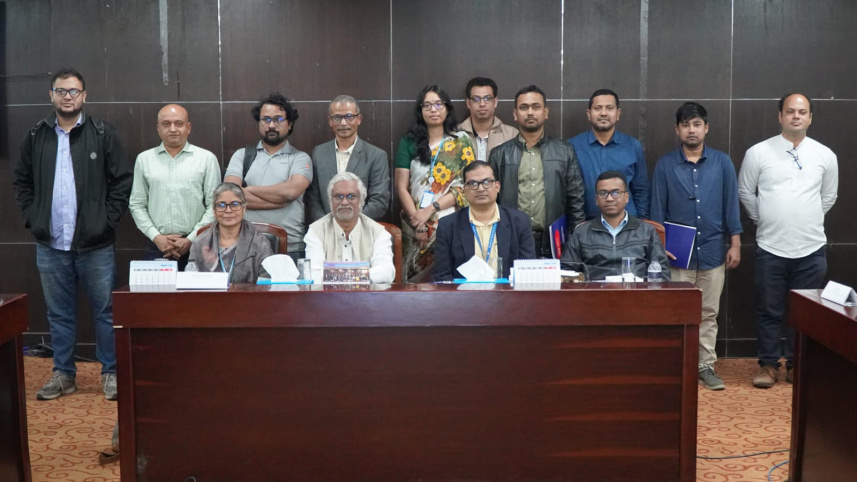
The International Labour Organization and the Centre for Migration Studies of North South University held a joint advocacy and capacity-building programme on migrant-centric reporting in Dhaka on January 22, focusing on ethical and rights-based media engagement and the reintegration of migrant workers.
The programme, held at the Syndicate Hall of North South University, brought together journalists, academics and migration practitioners to strengthen informed and responsible media coverage of labour migration in Bangladesh, with particular attention to returnee migrants and gender-responsive reporting, says a press release.

The session opened with remarks by Sk Tawfique M Haque, director of CMS, SIPG, and Rahnuma Salam Khan, national project manager at the International Labour Organization. Haque stressed the importance of collaboration between academia, media, the ILO and government institutions to advance evidence-based migration policy and public discourse. Khan highlighted the need for migrant-centric and evidence-based reporting that reflects structural realities and the lived experiences of migrant and returnee workers rather than sensational narratives.
Nasar U Ahmed, pro vice-chancellor of North South University, delivered the opening address, underlining the role of universities in promoting evidence-driven dialogue and cross-sectoral collaboration on migration governance. He said academic institutions must serve as platforms for policy-relevant knowledge and responsible public discussion.
An academic reflection titled Migration in the Twenty-First Century was presented by Selim Reza, associate professor at North South University and co-ordinator of CMS. He placed labour migration within broader global political and economic shifts, noting that structural inequalities and geopolitical dynamics demand more nuanced analytical and media frameworks.
Rahnuma Salam Khan later presented on labour reform, migration trends and reintegration, describing sustainable reintegration as a development priority requiring coordinated policy action and public awareness.
A session on rights-based reporting was led by Asif Munier, migration expert and member of the reform taskforce for the Ministry of Expatriates’ Welfare and Overseas Employment. He cautioned against stigma and misinformation in migration coverage and urged journalists to humanise migrant workers as rights-bearing contributors rather than passive victims.
Reflections and media perspectives were facilitated by Abdullah Al Muyid, national programme coordinator at ILO, who emphasised sustained engagement between media, policy actors and development institutions to ensure accurate migration reporting.
Discussions highlighted evidence on the vulnerabilities of returnee migrants, including limited access to social protection, livelihoods and psychosocial support, particularly for women and children. Participants said ethical, gender-responsive reporting is essential to counter stigma and support social cohesion.
Around 15 journalists from print, online and television outlets attended the programme alongside CMS faculty members, researchers, ILO representatives and migration practitioners. The event concluded with a commitment to strengthen collaboration between academia, media and international organisations to promote informed public communication on labour migration in Bangladesh.
 For all latest news, follow The Daily Star's Google News channel.
Comments