


33% food samples tested unsafe in FY 2024-25
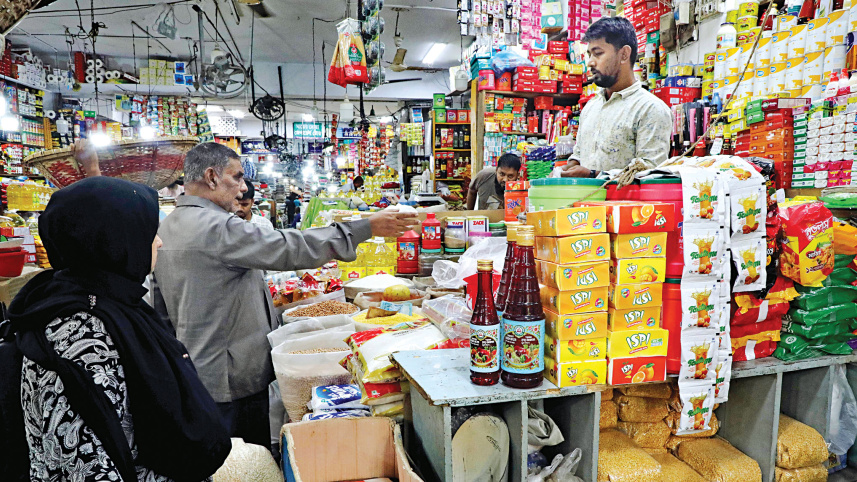
The Bangladesh Food Safety Authority detected adulteration, contamination, and low nutritional content in 571 of 1,713 tested food samples (33.3 percent) in the 2024-25 fiscal year.
The samples included pickles, sauces, chips, puffed rice, fruit drinks, mustard oil, butter, soybean oil, dalda, and honey, among others, said Mohammad Mostafa, member (public health and nutrition) of the BFSA at an event today.

The BFSA organised the event at the Bangladesh Agricultural Research Council to mark National Food Safety Day 2026.
The samples were collected and tested following proper regulations, documentation, and use of accredited laboratories, Mostafa said.
He explained that adulteration includes adding prohibited substances to mislead consumers or for financial gain, such as urea in chili or non-food grade colours to enhance appearance.
Contamination refers to harmful substances introduced during processing or from environmental sources, such as trans-fats. Quality deviations occur when products contain too little or too much of a required ingredient, such as edible oils lacking the prescribed Vitamin A content, he said.
The BFSA now conducts targeted surveillance, focusing on high-risk products that are widely consumed, such as lentils, parathas, and snacks, and prioritises testing products consumed by children, including chips and items never tested before, he also said.
Mostafa drew attention to several critical product-specific findings. For instance, 65% of chips tested contained acrylamide, a chemical that increases with frying or burning.
Also, some edible oils failed to meet nutritional standards, and certain mustard oils were found adulterated by mixing with soybean oil, he also said.
Mostafa stressed that while Bangladesh is still developing specific national limits, the BFSA used references from international standards, such as the European limit of 0.75 ppm for acrylamide, which many local samples exceeded.
He also highlighted initiatives to train producers in using safer alternatives to reduce health risks.
He further stressed that these efforts are part of a data-driven, long-term strategy to ensure safe and nutritious food for the public, build robust food safety monitoring, and support informed policymaking and research.
As per BFSA’s data, the extent of adulteration, contamination, or low nutritional content in food samples is on the rise in recent years – 8.5% in FY 2022-23 and 15.4% in 2023-24.
Food Adviser Ali Imam Majumder highlighted emerging challenges, including overuse of fertilisers and pesticides in clutivation, and use of hormones in livestock for higher yields.
He stressed that while technological interventions in fisheries and livestock are necessary to boost production, these methods must not compromise human health.
Mohammad Emdad Ullah Mian, secretary to the Ministry of Agriculture, said they finalised a 25-year strategic plan for agriculture sector to ensure food security and availability in the country, that takes into account both human and non-human consumption to ensure comprehensive demand assessment and supply planning.
BFSA chairman Zakaria said the authority has been testing food samples since FY2019-20.
For the first time, the BFSA has started compiling the test results into a database and also initiated efforts to publish them online. Previously, no database was maintained for these tests, and the results were not made publicly available, he added.
 For all latest news, follow The Daily Star's Google News channel.
Comments