


From Local Markets to Global Buyers: Empowering Bangladesh’s Regional Agro-Processing SMEs
Bangladesh's agro-processing sector is growing rapidly, producing a wide range of goods that have strong potential both domestically and abroad. Regional small and medium enterprises (SMEs) play a key role in this growth, employing hundreds of workers and driving local economies. Yet these firms face several structural challenges that hold them back from reaching international markets. Most trade support and capacity-building efforts are concentrated in Dhaka, leaving many regional firms without access to buyers or practical market knowledge. On top of that, these SMEs often lack clear guidance on export requirements, quality standards, logistics, and compliance, making it hard for them to integrate into global value chains. Finally, the ecosystem itself is fragmented, with no consistent mentorship or support mechanisms for smaller producers outside the capital. As a result, many capable regional firms remain confined to local markets, and the sector as a whole misses opportunities for growth and international competitiveness.
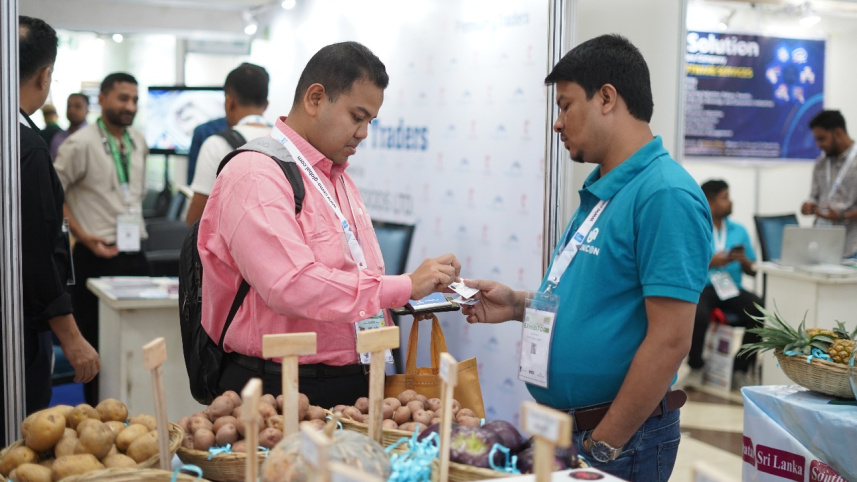
In May, Swisscontact partnered with CEMS Bangladesh, a sister concern of CEMS Global, to organise the Global Gateway International Agro-Processing Expo. Over three days, around 300 businesses gathered, combining exhibition spaces with seminars and panel discussions on export readiness, standards, certification, and market opportunities. International buyers were invited to explore what Bangladeshi firms could offer, giving participants practical exposure to global markets.

The expo successfully supported large companies and Dhaka-based SMEs, allowing them to showcase products, network with buyers, and learn about export procedures. A follow-up study by the Swisscontact team found that more than 40% of participating firms successfully secured buyer connections, demonstrating the value of such events.
However, the expo also revealed a critical gap: regional SMEs were largely absent. Without deliberate efforts to include smaller businesses from outside the capital, a significant portion of the sector remains disconnected from international markets.
Key insights from the initial expo highlighted the steps needed to address this challenge:
- Extending connectivity beyond the capital ensures more inclusive participation.
- Practical exposure to global markets helps regional SMEs understand quality standards, logistics, and compliance.
- Institutional partnerships make support sustainable, creating models that can be scaled long-term.
- Tailored regional platforms offer actionable opportunities that centralised events cannot provide.
To respond to these findings, Swisscontact is developing a more inclusive approach. Building on lessons from the expo, the organisation partnered with CEMS Bangladesh to create a co-investment model (60:40 cost-sharing) for regional expos. The plan is to host multiple events in cities such as Rajshahi, Khulna, and Chattogram, placing regional SMEs at the centre. These expos will retain the trade facilitation focus—combining exhibitions with practical discussions—but specifically target smaller producers, helping them build direct relationships with buyers and understand export requirements.
In addition, Swisscontact is embedding mentorship and guidance into these regional events. By decentralising trade facilitation and providing practical learning opportunities at the regional level, these initiatives are helping smaller firms become better prepared, more connected, and empowered to enter international markets. Over time, this approach is expected to foster a more inclusive and resilient export ecosystem, benefiting early-stage SMEs and strengthening Bangladesh's agro-processing sector as a whole.
The Building Youth Employability Through Skills (BYETS) project is funded by the Embassy of the Kingdom of the Netherlands and implemented by Swisscontact.
 For all latest news, follow The Daily Star's Google News channel.
Comments