


Here are the 4 things YouTube CEO wants in 2026
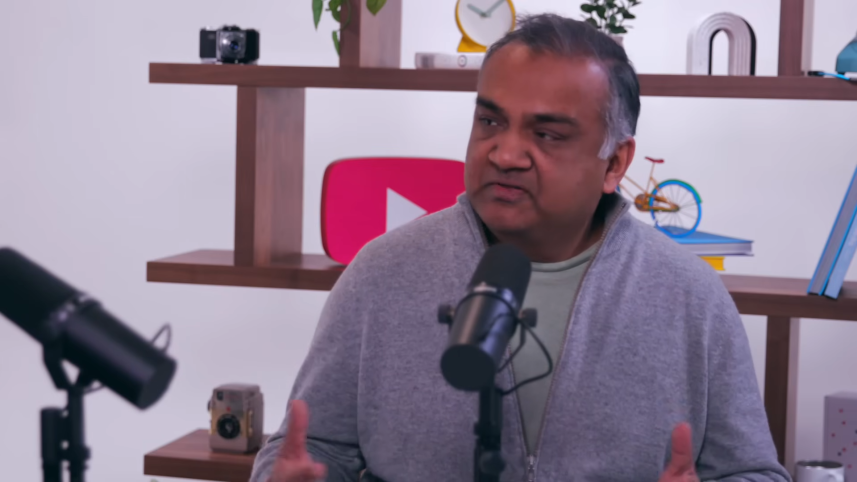
YouTube’s chief executive, Neal Mohan, has set out four big priorities for the platform in 2026, outlining plans that place creators, artificial intelligence, young audiences and new forms of monetisation at the centre of its future growth.
In a recent podcast published on January 21, Mohan said YouTube intends to further position creators as the leading force in modern entertainment. He argued that online creators are increasingly functioning as studios and media companies in their own right, producing professionally made programmes and live coverage of major cultural events across multiple formats and screens.

YouTube, he said, aims to strengthen its role as a primary destination for long-form video, short clips, livestreams, podcasts and music, while continuing to expand its presence on television through new YouTube TV features and subscription options. Mohan also mentioned that YouTube Shorts currently averages 200 billion daily views.
A second priority is building what the company describes as a safer and more supportive environment for children and teenagers. YouTube plans to simplify the creation and management of child and teen accounts and to expand parental controls, including new tools that allow parents to limit or entirely disable scrolling through short-form videos.
The third focus is the continued expansion of the creator economy. Mohan said YouTube would invest further in tools that allow creators to earn income through shopping, brand partnerships and fan-funded features. The company is also seeking to make YouTube a more seamless shopping platform, enabling viewers to purchase products directly within the app, and to streamline how brands and agencies identify and work with creators.
Artificial intelligence forms the fourth pillar of YouTube’s plans. According to Mohan, the company intends to expand AI-powered creative tools, while introducing stronger safeguards around transparency, deepfakes and the misuse of creators’ likenesses. YouTube will continue to label AI-generated content, remove harmful synthetic media and improve systems designed to limit the spread of low-quality, repetitive material. At the same time, AI will be used to enhance the viewing experience through features that help users better understand content and improve accessibility, including automated dubbing.
 For all latest news, follow The Daily Star's Google News channel.
Comments