


From prevention to personalised treatment

Bangladesh is currently at a critical crossroads in its fight against cancer. According to IARC–GLOBOCAN 2022 estimates, the nation faces approximately 167,256 new cancer cases and 116,598 deaths annually. The profile of the disease reveals a stark gender divide. Men are most frequently diagnosed with cancers of the oesophagus, lip/oral cavity, and lungs, while women face a high prevalence of breast and cervical cancers. Reflecting on these figures, Professor Dr Md. Mofazzel Hossain says, “These are just the tip of the iceberg; without a robust nationwide registry, our current data underestimates the true scale of the crisis.”
Prevention for survival

Despite this rising burden, nearly 40 per cent of all cancers are preventable through healthier lifestyle choices. In reality, the majority of patients in our country are diagnosed at an advanced stage, where treatment is significantly costlier. For this reason, prevention remains the most effective and cost-efficient strategy to save lives. By addressing preventable risk factors like tobacco use, poor diet, and inactivity, we can shift the narrative from treatment to total wellness.
Nutrition and the 150-minute rule
A primary pillar of this shift is returning to our roots through the traditional Bangladeshi diet, which offers natural protection against various forms of cancer. Health experts recommend prioritising fresh vegetables, seasonal fruits, lentils, and whole grains while limiting processed foods and reducing salt intake. Alongside nutrition, staying active is essential. Dr Kazi Manzur Kader suggests the “150-Minute Rule,” aiming for at least 150 minutes of moderate physical activity per week, such as brisk walking or cycling. These activities strengthen the immune system and lower the risk of breast and colon cancers.
Breaking myths
Furthermore, we must confront the tobacco crisis, which remains the leading preventable cause of cancer in the country. This includes not only smoking but also smokeless forms like jarda and gul. These contribute heavily to oral and throat cancers. Dr Manzur Kader emphasises that quitting tobacco at any age significantly reduces risk. There is this myth that cancer is entirely “in the genes.” In reality, only 5–10 per cent of cancers are purely genetic; the vast majority are triggered by lifestyle and environmental factors.
The biosimilar revolution
While healthy living lowers risk, the shift toward local production of biosimilars has been a genuine game-changer for those already diagnosed. Dr Md. Mofazzel Hossain notes, “Today, locally manufactured advanced oncology drugs are 40 per cent to 60 per cent cheaper than their imported counterparts. This price reduction allows patients to complete their full treatment cycles without financial collapse and enables clinicians to offer targeted therapies at earlier stages rather than as a last resort.”
Bridging the gap in early detection
To truly combat the prevalence of late-stage diagnosis, Bangladesh must “shift left” by prioritising early detection through mobile outreach, district-level screening camps, and evidence-based pathways like VIA/HPV testing for cervical cancer. By integrating telepathology and tele-oncology, rural clinicians can more efficiently triage patients and bridge the gap between remote areas and tertiary care centres. However, for these efforts to be truly effective, screening must be seamlessly linked to treatment capacity, ensuring that early detection leads to a definitive and accessible pathway to care.
A unified vision
As we look toward World Cancer Day 2026, the priority is to make early detection and timely treatment the national default. This requires a unified effort: policymakers must fund district-level screening and financial protection, the industry must ensure an affordable and uninterrupted supply of medicine, and the public must act early on symptoms. By collectively reducing late-stage presentations, we can save more lives than any medicine alone, ensuring that neither geography nor income remains a barrier to survival in Bangladesh

Prof. Dr Kazi Manzur Kader
Senior Consultant & Head
Department of Clinical Oncology & Medical Physics
Delta Hospital Limited
On this World Cancer Day, the message for every citizen of Bangladesh is clear: Prevention begins with daily actions. Healthy eating, regular activity, avoiding tobacco, and participating in screening programs are vital steps. With national commitment and increased awareness across all communities, we can prevent thousands of cancer cases every year.
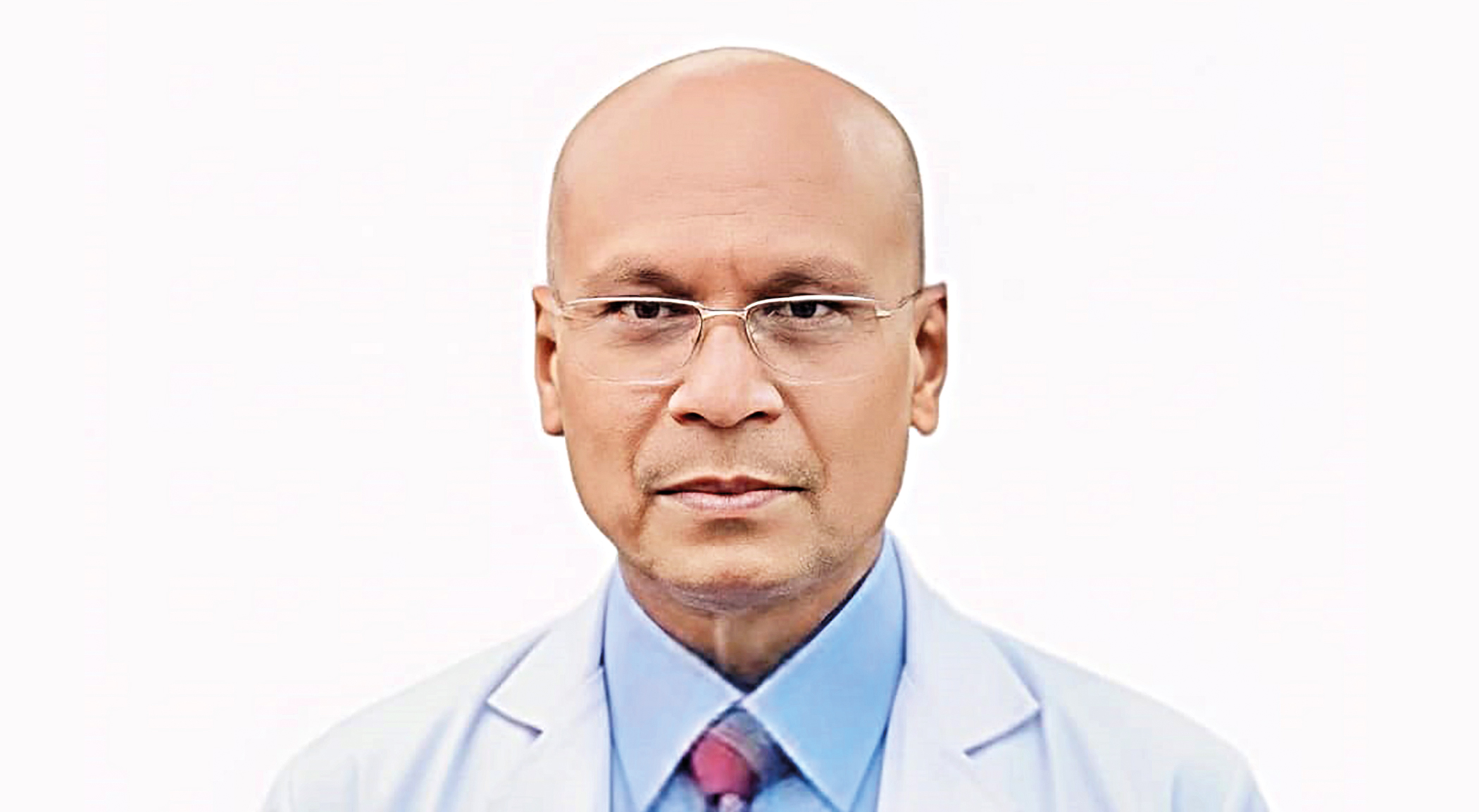
Prof. Dr Md. Mofazzel Hossain (Lt. Col. Retd.)
Fellow Medical Oncology; Member - ASCO, ESMO & SSO
Chief Consultant, Medical Oncology
BRB Hospitals Limited
To ensure consistent availability, the government must streamline API imports and maintain mandatory buffer stocks of essential cancer drugs. Simultaneously, local pharmaceutical companies should invest in domestic API manufacturing to lower costs and position Bangladesh as a regional treatment hub. Finally, a real-time digital dashboard connecting hospitals and regulators is essential to predict and prevent shortages before they occur.
 For all latest news, follow The Daily Star's Google News channel.
Comments