


Winter and understanding seasonal depression
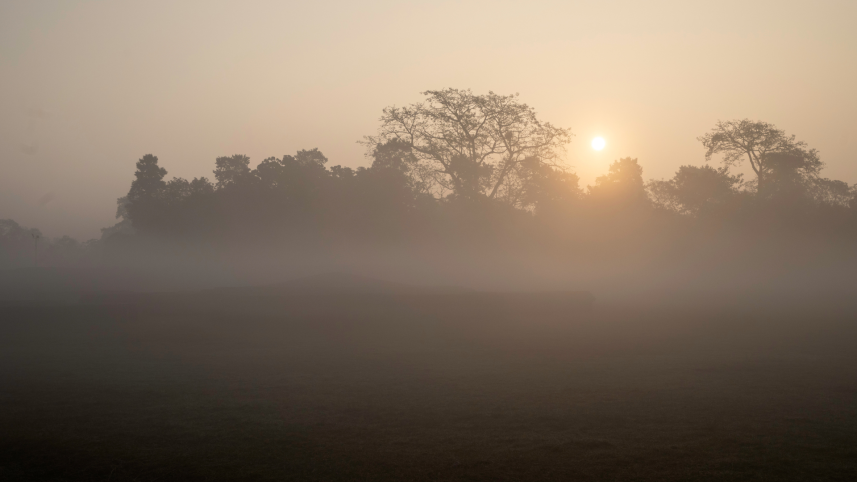
It starts with a strange feeling you can’t quite put a finger on. You may notice that the greyish weather happens to coincide with your mood, and you feel almost like the sunless sky. Colours look muted, favourite food items don’t taste as good, and beloved songs don’t make you hum in the shower. Everything feels off in a way you can’t really describe or shake off.
Initially, you may chalk it up to stress or the gloominess of the days. Slowly, feeling off manifests into feeling bad and eventually into feeling worse. No matter how you feel, you can’t seem to gather the energy to recover. If you’re someone who’s been through it before, you recognise signs of another episode of seasonal depression.

Seasonal depression, clinically referred to as Seasonal Affective Disorder (SAD), isn’t just an emotional reaction to gloomy weather; it’s a type of depressive disorder with a distinct seasonal pattern, often beginning in late autumn or winter and remitting in spring or summer.
Seasonal depression is often mistaken for something mild or temporary like winter blues, but it doesn’t simply resolve itself with time, unlike short-lived emotional downs. The cold of winter, paired with dark mornings and early nights, can make every day feel the same.

Over time, this can lead to dissociation, where you feel detached from yourself or the world. It’s not because you want to escape, but because your mind is overwhelmed by the monotony.
Winter is frequently glamourised, perceived as peaceful, and more pleasing than summer with soft mornings, quiet streets, and cosy routines. But winter is selective because it’s more enjoyable for people who can tolerate shorter days without severe emotional cost. When winter is treated as universally gentle, it leaves no space for people fighting an internal, psychological struggle.
Reduced daylight during winter is strongly associated with SAD. Shorter days send weaker signals to the brain’s biological clock, an area in the hypothalamus, which helps regulate circadian rhythms. This leads to symptoms of SAD, such as fatigue, hypersomnia, low energy, etc.
Research has found that the rate of serotonin turnover in the brain tends to be lower in winter. Serotonin is a key chemical involved in mood regulation. Serotonin activity and the efficiency of its transport affect emotional stability. Meanwhile, melatonin, the hormone linked with the sleep-wake cycle, is naturally released in response to darkness. Some individuals show prolonged melatonin rhythms during winter, which may contribute to increased sleepiness and disrupted sleep patterns experienced in SAD.
These biological changes aren’t experienced equally by everyone. People already prone to mood disorders such as depression or anxiety, or those with genetic predispositions, are more sensitive to seasonal influences. For them, winter actively interferes with how the brain processes emotion. What looks like laziness from the outside is often a nervous system struggling to function.
You might assume that you’ll feel better after winter. But for many, that isn’t the case. Seasonal episodes can linger when months of emotional exhaustion have taken their toll. Some people are left rebuilding motivation after spending entire months on autopilot trying to get through each day.
This is why winter may not be enjoyable for everyone. Framing winter as universally welcoming ignores the reality of those whose mental health deteriorates during the season. Seasonal depression is not a mindset problem and can’t be cured by sunshine alone. The cold is cosy to many, and for others, it’s a battle to endure.
References:
- Mayo Clinic (Dec 14 2021). Seasonal affective disorder (SAD) – Symptoms & causes.
- Johns Hopkins Medicine. Seasonal Affective Disorder.
- American Medical Association (Oct 31 2025). What doctors wish patients knew about seasonal affective disorder.
Tinath Zaeba is an optimistic daydreamer, a cat mom of 5 and a student of Economics at North South University. Get in touch via mailing to tinathzaeba25@gmail.com
 For all latest news, follow The Daily Star's Google News channel.
Comments