


Club World Cup objective: FIFA vs UEFA
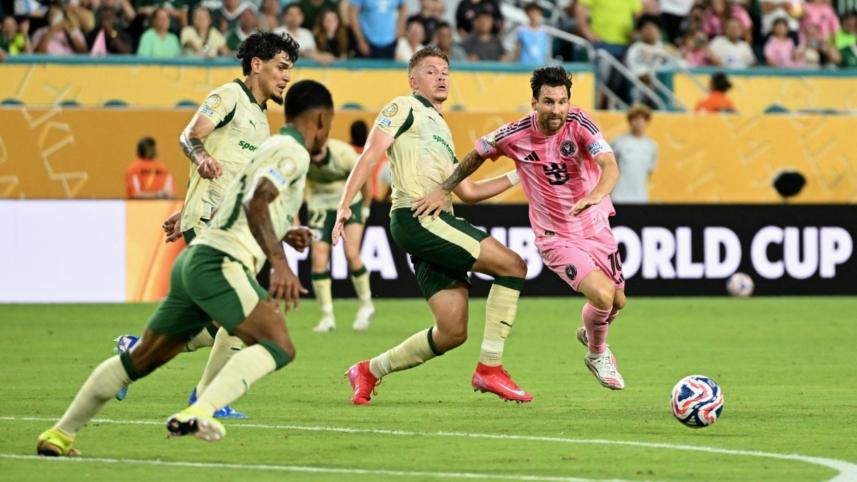
A few years ago, FIFA proposed the idea of a World Cup every two years, commonly known as the Biennial World Cup. This initiative was met with strong opposition from UEFA and CONMEBOL, two of the most influential confederations in global football. Eventually, FIFA dropped the proposal, with President Gianni Infantino acknowledging that the organisation had received some legitimate criticism.
Despite the resistance, FIFA's intention behind the Biennial World Cup was rooted in development. The proposed tournament was expected to generate an additional $3.5 billion in revenue, which would have supported a new Member Association Solidarity Fund. Under this plan, each national federation would have received approximately $16 million over a four-year period, with further contributions directed to the FIFA Forward Program to aid football development worldwide.

After shelving the Biennial World Cup proposal in early 2022, FIFA shifted its strategy. On 16 December 2022, the organisation announced the expansion of the FIFA Club World Cup (CWC) to 32 teams, with the first edition of the restructured tournament scheduled for June 2025. This move was part of FIFA's broader objective of narrowing the technical gap among its 211 member associations and enhancing global competitiveness in club football.
The announcement of the expanded CWC has sparked debate, with criticism focusing on concerns such as increased player workload, anticipated low attendance, and ticket pricing. Traditionally, FIFA hosted the Confederations Cup a year prior to the World Cup to test the readiness of the host nation. With this precedent in mind, FIFA selected the United States to host the 2025 CWC. While football is not among the top three sports in the US, the decision aligns with FIFA's goal of ensuring the success of the 2026 World Cup and expanding the sport's appeal in untapped markets.
Unlike domestic club competitions that typically follow a home-and-away format with a final at a neutral venue, the CWC is structured as a centralised knockout competition. FIFA anticipated that the nature of the tournament would not attract large groups of away fans, particularly since many local attendees might not support the participating foreign clubs. Consequently, lower attendance and reduced ticket prices were expected outcomes.
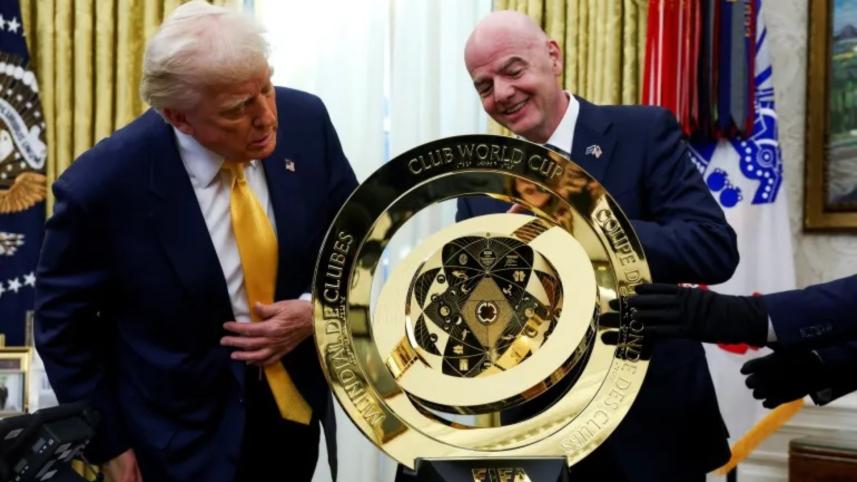
However, FIFA's real victory lies in broadcasting. In the modern football economy, gate receipts contribute minimally to overall revenue, while broadcasting rights are a primary source of income. In December 2024, FIFA secured a landmark deal with DAZN, the world's leading sports streaming platform. Valued at $1 billion, the agreement ensures global free streaming of all 63 tournament matches and establishes a strategic partnership for the expansion of FIFA+. With DAZN now operating in over 200 countries and territories, FIFA significantly increased its reach and digital engagement. Though revenues from ticket sales may fall short, FIFA is achieving its financial goals through media rights and sponsorships.
One of the most contentious issues surrounding the expanded CWC is player workload. FIFPRO, several media outlets, and European players have voiced strong concerns, citing a lack of adequate rest, especially within Europe's top five leagues: the Premier League, LaLiga, Bundesliga, Serie A, and Ligue 1. However, it is worth noting that UEFA clubs make up only 12 of the 32 participants. The remaining 20 teams, coming from different confederations with varying season calendars, do not share the same concerns. For many of these clubs, participation in a global tournament of this scale represents a long-awaited opportunity.
The CWC prize money distribution is very unique which is divided in two parts for the participating teams. $1bn will be divided in to Sporting ($475 million) and Participation ($525 million) criteria where a team will receive $2 million for each win/$1 million for each draw. A team reaching Round of 16 will receive additional $7.5 million and in the same way $13.125 million, $21 million, $30 million and $40 million respectively for quarter final, semifinal, finalist and final winners. For participation, the Oceania team will get $3.5 million whereas teams from Africa, Asia, North, Central and Caribbean teams will earn $9.55 million. South American teams will earn $15.21 million and Europe teams will earn $12.81-38.19 million, depending on their commercial value. So, in total one team can earn potentially up to $125 million for winning the tournament, compared to UEFA Champions League $94.32 million and CONEMBOL's Copa Libertadores $37.2 million – which are the two most lucrative club competitions in the world.
Importantly, FIFA has emphasised that the CWC will be a financially neutral tournament. All revenues will be used to cover operational costs, prize distribution, and solidarity payments, ensuring that FIFA's financial reserves, which are allocated for global football development, remain untouched. An additional $250 million will be distributed to support club football globally, reinforcing FIFA's vision of a more balanced and inclusive global game.
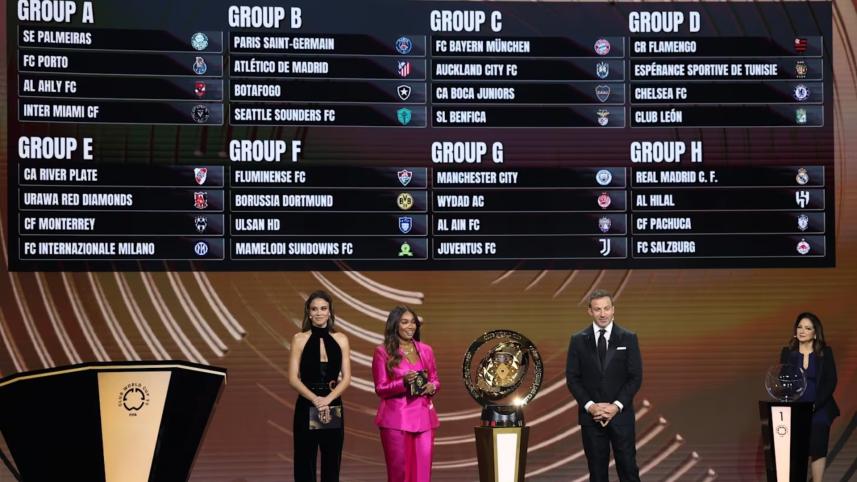
Early results from the group stages have already drawn attention, with matches such as Al-Hilal vs Real Madrid, Inter Miami vs Porto, and notably Botafogo defeating PSG, the UEFA Champions League winners. These outcomes suggest that the technical disparity between clubs from different regions is diminishing. Such results enhance the competitive credibility of the tournament and provide FIFA with compelling narratives to market the event more effectively. High-profile, unpredictable matchups have the potential to engage global audiences and elevate the tournament's status in future editions.
The tournament's structure, financial model, and strategic regulations indicate that FIFA is progressing positively as the sport's global governing body. The CWC offers a platform for inclusivity, development, and competitive balance among all member associations. While UEFA's viewpoint is focused on maintaining the dominance and integrity of European competitions, FIFA's broader objective is to globalise the game, increase opportunity, and level the playing field. As fans, it is important to understand and appreciate the long-term benefits of the CWC from FIFA's perspective. After all, FIFA's mission remains clear: for the game and for the world.
**Ahmed Shaaek is a football management analyst
 For all latest news, follow The Daily Star's Google News channel.



Comments