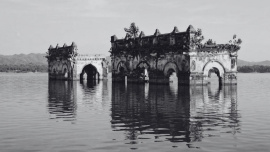
My mother’s letter during the Liberation War
More than half a century has passed since 71 came into our lives. It feels like only yesterday, yet many years have gone by. The speech of 7 March, the dark night of 25 March, and the declaration of independence on 26 March. The people of Bangladesh became victims of one of the most brutal genocides in history.
At that time, the days seemed unwilling to pass. When morning came, we worried about how the day would unfold; by evening, the fear of another dreadful night loomed. Everywhere there were grieving people and frightened faces. From night until dawn, one could hear the trembling recitation of the Qur’an, as people prayed somehow to escape the hands of the Pakistani occupation forces. Families abandoned their homes in search of refuge. At the same time, many organised themselves to free the country from the occupation forces and to extend every possible support to the Mukti Bahini, constantly exposing themselves to danger.
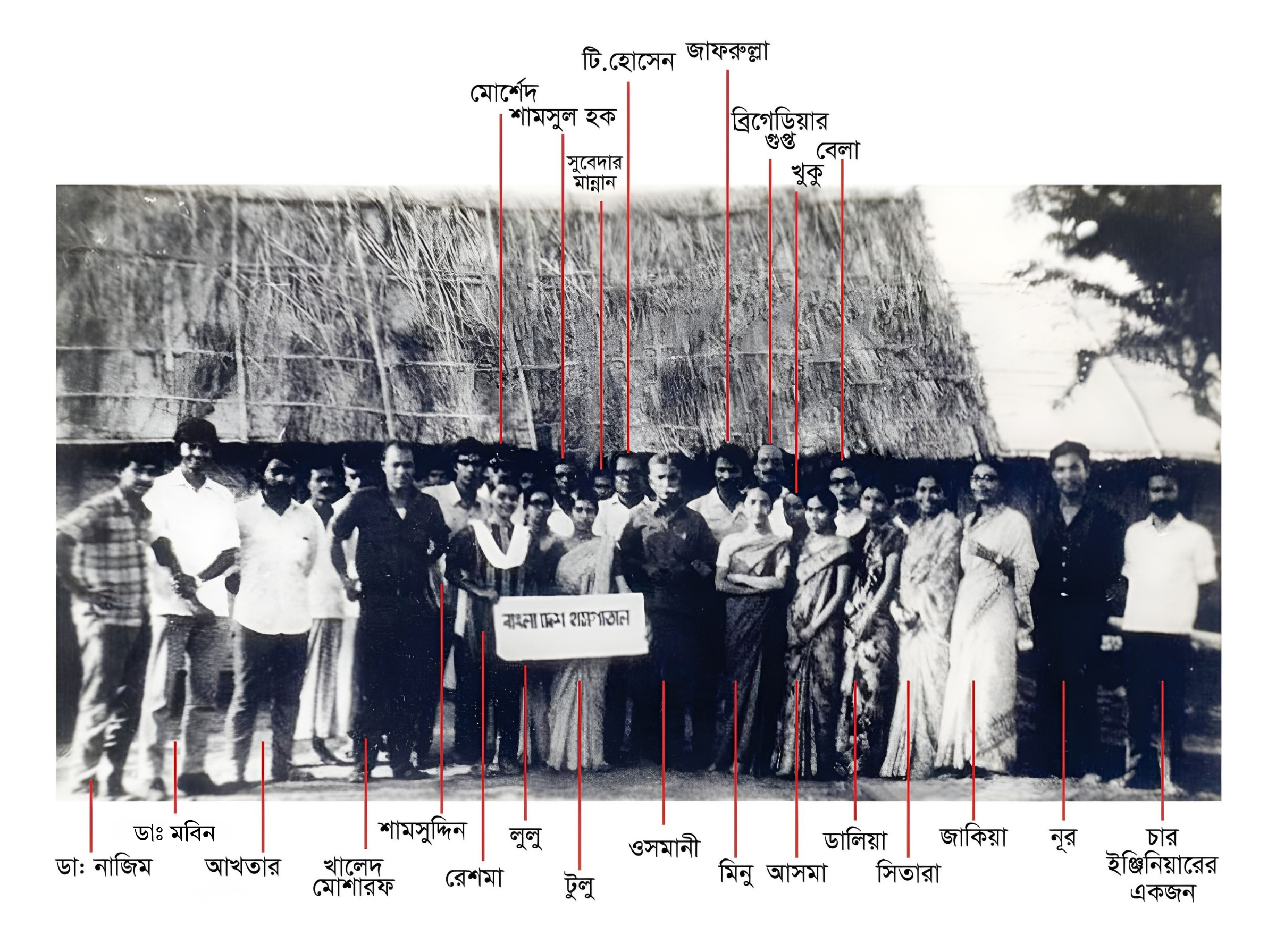
In that context, we were compelled to leave the country. With the resolve to join the Mukti Bahini, on 16 June we crossed the border and reached Sonamura in Tripura, India. An army doctor, Captain Akhtar, was almost single-handedly treating wounded freedom fighters. Because we already knew him, my sister and I joined him in the work. But to stay there we needed government approval, which had to be obtained from the Bangladesh office in Agartala. Akhtar bhai took us to the responsible officer. At the time, H. T. Imam was in charge. Our names were registered in the Mukti Bahini records, and arrangements were made for our accommodation and rations. Until then, we had been given a room by the kindness of the Sonamura Forest Department and had been sharing Akhtar bhai’s meals.
The date was 20 June. It was our mother’s (Sufia Kamal) birthday. In our family, birthdays were always celebrated in a simple but joyful way. Given the state of the country, and being separated from our mother on her birthday without any contact, our hearts were heavy. By chance we learnt that a friend, a freedom fighter, possibly Zia or Fateh Ali, was returning to the country. At that time, we had nothing with us. We wrote just a few lines to our mother, sending news of ourselves and birthday wishes. In reply, she sent us this letter.
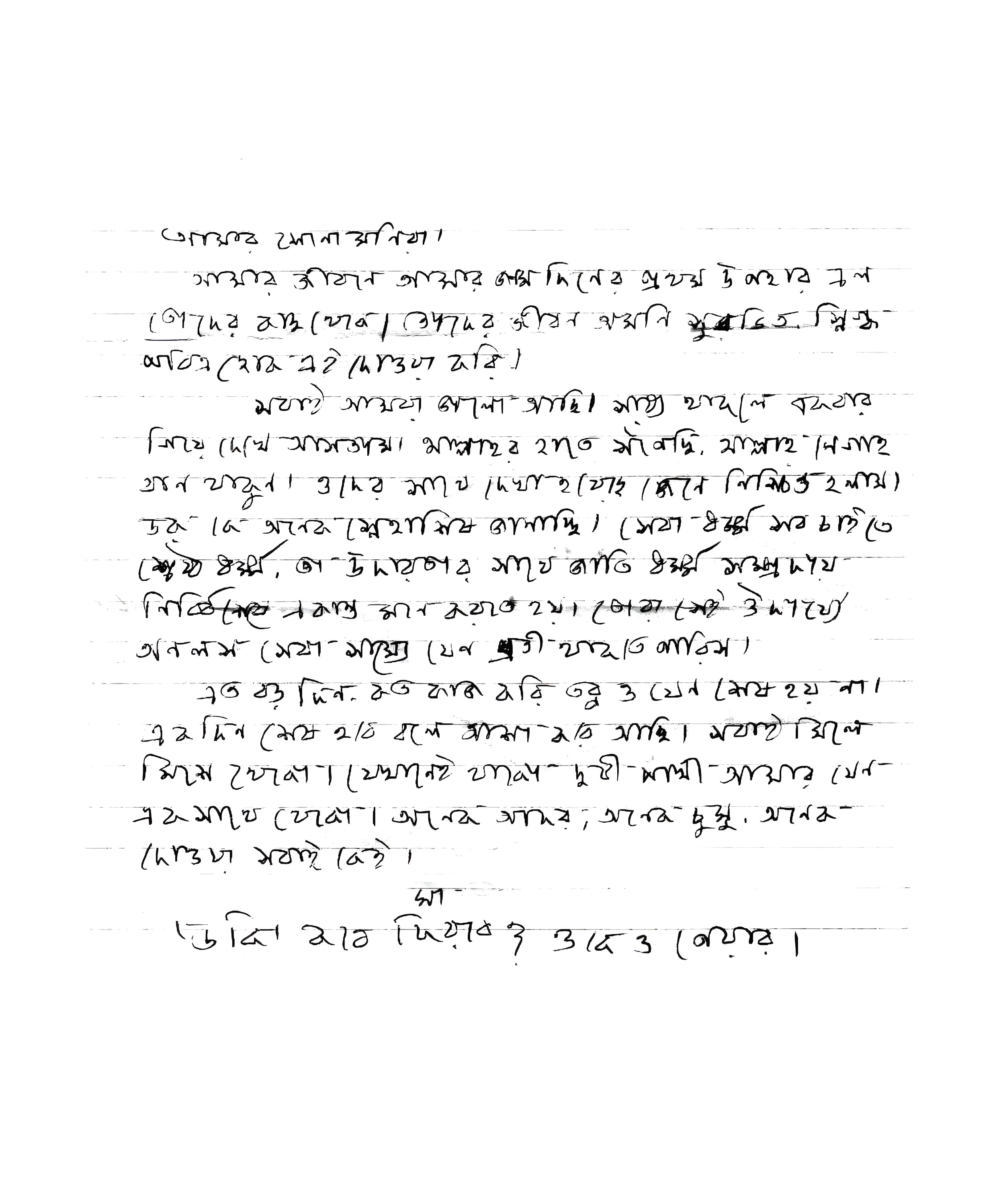
Many things from 1971 have been lost. I do not quite know how, but I found this letter again many years later. Our mother passed away twenty-six years ago. Yet this letter still shelters us like a long shadow above our heads, and continues to protect all her children who long for freedom.
Footnote: In this letter, “Doc” refers to Captain Akhtar Ahmed of the army, who later retired as a Major. “Docky” refers to his wife Khuku Ahmed, who joined us a little later to work with us in nursing.
Sultana Kamal is a Human Rights Activist and Founder President of Manabadhikar Sangskriti Foundation (msf).
This article was translated by Ystiaque Ahmed.
Send your articles for Slow Reads to slowreads@thedailystar.net. Check out our submission guidelines for details.
Part I / From Artificial Intelligence to the Artificial State: Is the Trajectory Inexorable?
157th Birth Anniversary of Mahatma Gandhi / Gandhi’s return to Noakhali
Why does Tagore still trouble Bangladesh’s idea of ‘us’?

Can Bangladesh make better use of its zakat money?
Three revolutions that reshaped the world
Paradise lost and found: Rediscovering early modern Bengal
Unbound Mother: The making and remaking of Kaali in Bengal
Do great leaders make history, or does history make them?
Poison and cremation: A forensic history of colonial Bengal