


Shielding Harvests, Securing Futures: Climate Insurance for Bangladesh
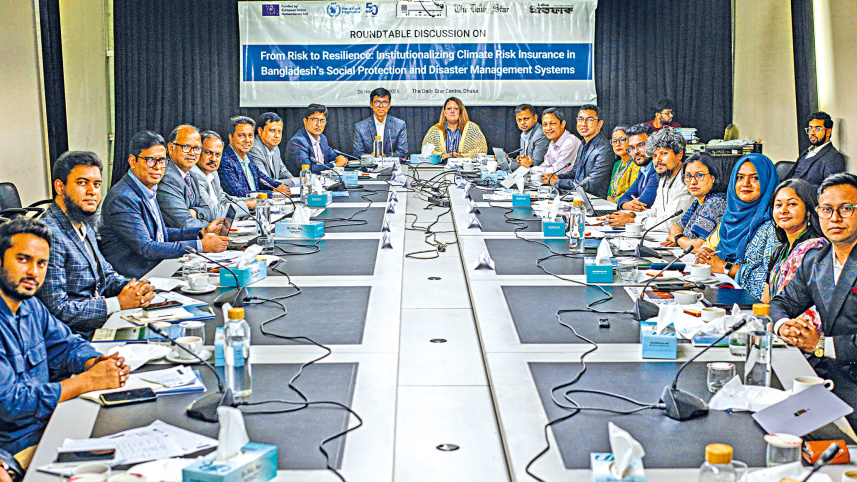
A roundtable titled "From Risk to Resilience: Institutionalising Climate Risk Insurance into Bangladesh's Social Protection and Disaster Management Mechanisms" was held on 26 November 2025 at The Daily Star Centre, Dhaka. Jointly organised by The Daily Star, the World Food Programme (WFP), and OXFAM, the discussion brought together policymakers, regulators, insurance industry leaders, development partners, academics, and representatives from government and civil society. The roundtable aimed to explore ways to mainstream climate risk insurance within Bangladesh's national resilience framework, strengthen institutional and fiscal support, and ensure affordable, inclusive protection for vulnerable communities facing increasing climate-induced disasters and livelihood risks.

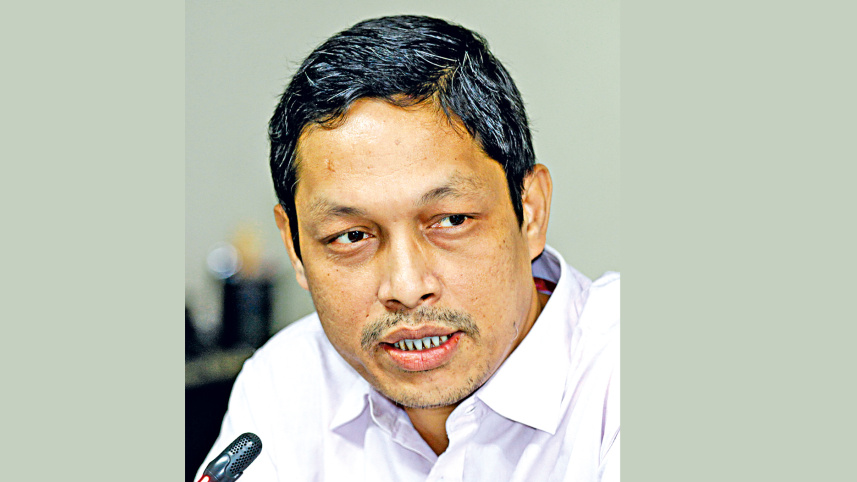
Dr Suborna Barua
Professor, Department of International Business
PhD in Climate Finance
Climate risk insurance remains largely experimental in Bangladesh and needs formal institutional support. Insured households recover more quickly and avoid post-disaster debt. Studies show that delivering insurance through cooperatives and local farmer groups is most effective. However, a major affordability gap: poor farmers want coverage but cannot afford full premiums. There are several barriers: Bangladesh has no dedicated legal framework or fiscal incentives for climate insurance, insurers have little actuarial capacity for agricultural risks, and reinsurance markets are largely closed to these risks. The request to the government is to establish clear regulations, fiscal incentives such as premium subsidies or VAT relief and a national disaster fund for climate insurance. IDRA and relevant ministries must take joint ownership of this issue, making insurance a core part of national resilience policy. To close the affordability and capacity gaps, we call on the government to enact a dedicated legal framework for climate insurance, introduce fiscal incentives like premium subsidies, VAT relief, and a national disaster risk fund, strengthen actuarial and data capacity, open reinsurance markets, and formally recognise cooperatives and MFIs as distribution partners. IDRA, MoDMR and Finance must jointly own and lead institutionalisation.
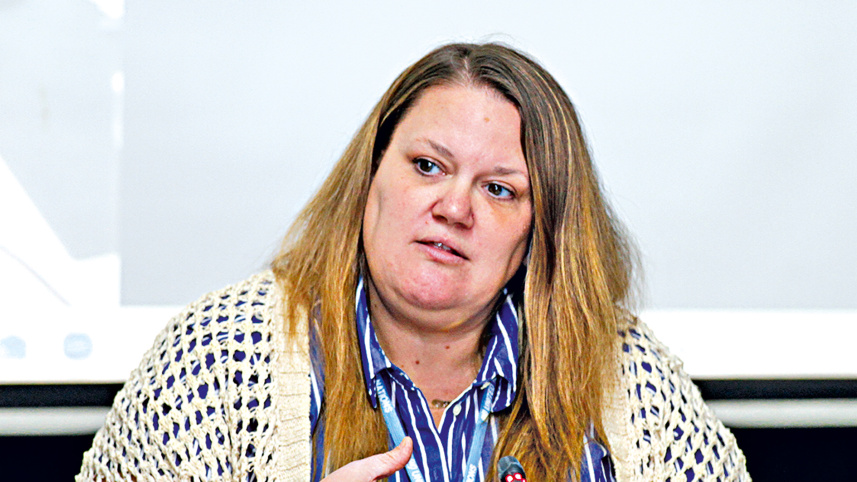
Maribeth Black
Deputy Head of Programme
World Food Programme (WFP)
The UN WFP has been promoting an integrated risk-management approach to build resilience among climate-affected communities. Climate shocks in Bangladesh are intensifying and hitting poor smallholder farmers hardest. In collaboration with partners including Oxfam and Green Delta Insurance, WFP has helped develop index-based insurance products for floods, cyclones, droughts and other hazards, protecting roughly 75,000 vulnerable households nationwide. The pilots have revealed both operational constraints and promising outcomes. WFP is now working with insurance regulators and government ministries to design and test climate insurance products and adapt policies accordingly. We need to translate field evidence into concrete reforms, which include finalising a draft climate-insurance guideline and exploring fiscal incentives like VAT waivers and/or premium subsidies. The roundtable participants hope to build consensus on priority actionsincluding possibly forming a multi-stakeholder working group to guide the national scale-up of climate risk insurance.
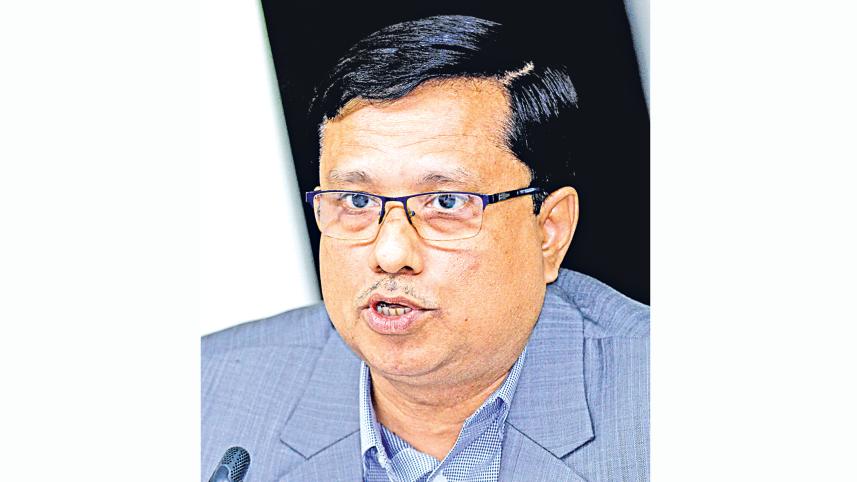
Md. Jakir Hossain
General Manager
Sadharon Bima Corporation (SBC)
Bangladesh's insurance industry has traditionally sold indemnity policies, with weather-index schemes only at a limited scale. A government crop insurance program from the 1970s that did not yield good results, but today's digital tools make parametric insurance more viable. An ADB-funded pilot with 10,000 farmers saw limited success because it covered only small, low-risk areas. Insurance functions like a cooperative fund: if policies are not broadly distributed, the system cannot be profitable. There are two major barriers: data and distribution. Reliable weather data are needed to set and verify parametric triggers, yet obtaining real-time climate information remains challenging. Moreover, reaching marginal farmers requires intermediaries who earn commissions. Insurers want to cut costs, so regulators need to clarify rules so that microfinance institutions or digital platforms can legally distribute climate insurance and be properly compensated, keeping premiums affordable.
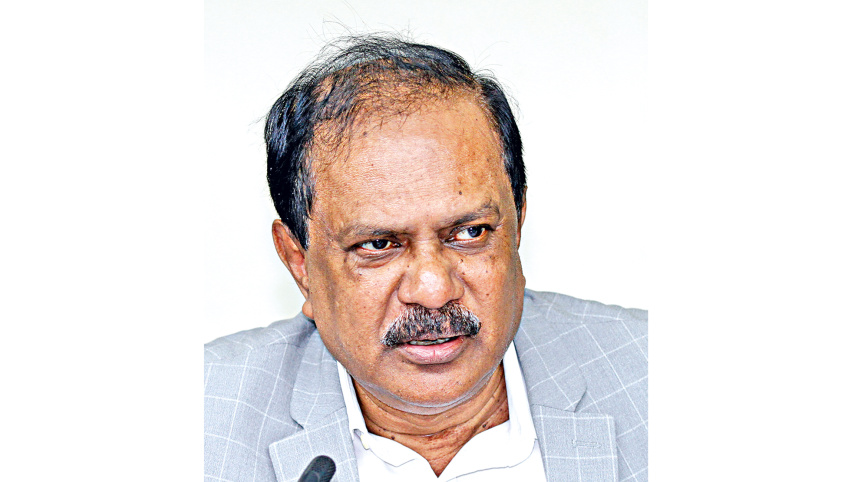
Tarik Ur Rahman
Consultant
Green Delta PLC
 For all latest news, follow The Daily Star's Google News channel.
 Public–private partnership and IDRA's support are essential to expanding climate insurance. A dedicated microinsurance regulation so companies can introduce more tailored products into the market. Rahman described Green Delta's experience: since 2015, its weather-index programs have grown from 215 farmers to 1.53 million farmers across 35 districts, with payouts totalling about 188 million taka to 336,000 claimants. The ongoing pilots in yield-index, flood, livestock and fisheries insurance, as well as new schemes to cover cyclone losses. This momentum could accelerate with the right regulatory support and fiscal incentives. Notably, the 15% VAT on insurance premiums, arguing that the government already exempts similar products in export-oriented industries. Removing this tax would lower costs for consumers and could expand insurance coverage by roughly 15 per cent.

Mohammad Emran Hassan
Head of Climate Justice & Natural Resources Rights
Oxfam in Bangladesh
While climate insurance can engage the private sector in adaptation, its rollout must be firmly anchored in climate justice. The marginal communities in LDCs like Bangladesh cannot realistically bear the full cost of premiums, which is why governments and global climate finance must bridge this gap . National mechanisms, such as Bangladesh's Climate Change Trust Fund and international loss-and-damage windows (e.g., FRLD) , can serve as viable sources of premium subsidies . However, if international funds are mobilised, reinsurance should remain domestic: ceding risks abroad would allow part of the climate aid to leak out of vulnerable economies. Keeping reinsurance localensure that international climate finance circulates within Bangladesh, strengthens national financial systems, and delivers its full intended benefit to climate-vulnerable communities.
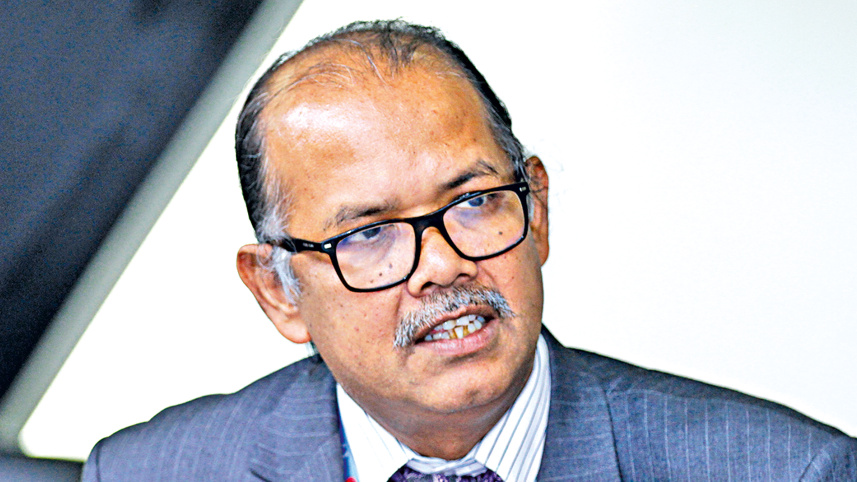
Imanun Nabi Khan
Assistant Country Representative
FAO Bangladesh
FAO is helping integrate risk financing into agricultural planning, including Bangladesh's forthcoming Agriculture Outlook 2050. Smallholder farmers need to organise in cooperatives or producer groups for insurance to reach them, and extension programs are being updated to include financial and insurance literacy. Currently, less than 1% of Bangladeshis hold life insurance, highlighting the challenge of expanding coverage to crops, livestock and fisheries. Citing climate projections of higher temperatures and more extreme rainfall by 2050, more frequent floods and cyclones will damage production and make insurance increasingly necessary. FAO's efforts to strengthen farmer collectives: offering learning grants, helping create shared service centres and providing low-interest loans. Once these cooperatives mature, they will be well-positioned to partner with insurers as distribution channels.
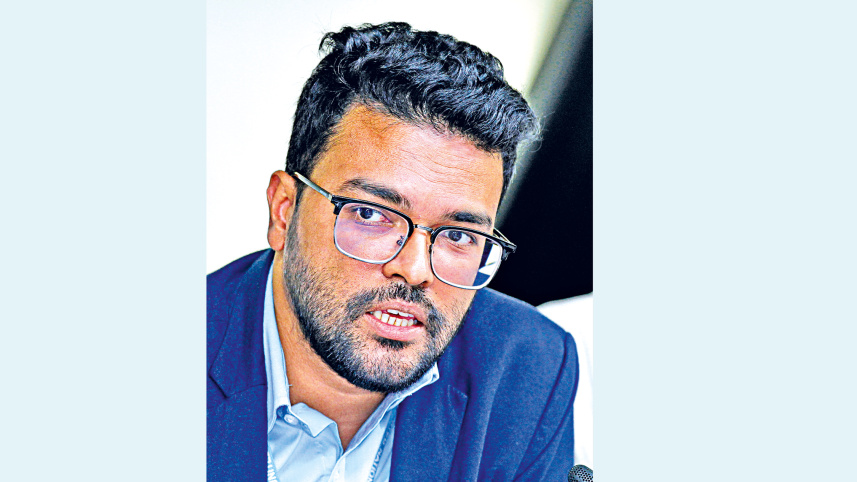
Monirul Hoque
National Programme Officer, Insurance and Risk Finance Facility
UNDP Bangladesh
Building a climate insurance ecosystem requires strengthening institutions and data systems. With only two of 43 non-life insurers currently active in climate products, the market lacks reliable data to model rural weather risks. Cutting the 15% premium tax would reduce government revenue, so alternatives (like adjusting other taxes or reinsurance contributions) should be explored to offset the loss. It is better to expand the focus to an "inclusive insurance" framework that includes life insurance and other products, to balance risk pools and attract private investment. Many microfinance schemes currently labelled as insurance must be formally regulated. UNDP is helping develop a comprehensive microinsurance framework covering mutuals, takaful and MFIs. The insurers' association or a multi-agency forum could lead a technical working group on climate insurance policy. Furthermore, UNDP is assisting with a unified data platform for the industry and funding training for more actuaries to build local expertise.
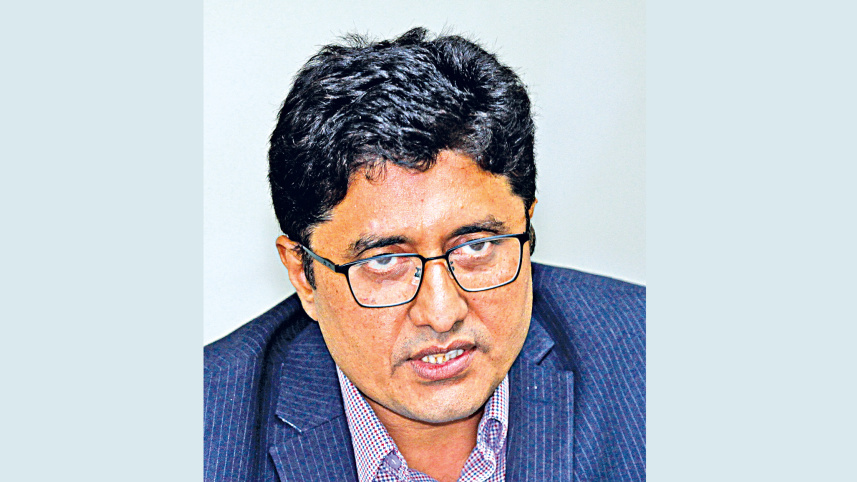
Dr Md. Rashedur Rahman Sardar
Deputy Secretary,
Ministry of Finance(Finance Division, Ministry of Planning
The Finance Division acknowledges the necessity of climate risk insurance mechanisms. However, the feasibility of government support is heavily influenced by significant resource constraints. Currently, the national budget lacks explicit codes for disaster funding, forcing the government to rely on "implicit support." This means that when unexpected disasters occur, funds must be reallocated from other sectors, creating friction and reducing resources elsewhere.
The fiscal reality poses a major challenge: revenue collection by the National Board of Revenue (NBR) is currently only 6.78% of GDP, while expenditure sits at 11.33%. This low revenue base limits the government's ability to provide explicit financial backing compared to global standards. While a Disaster Risk Financing Strategy has been developed in collaboration with the MoDMR , the contingency funding remains implicit rather than a dedicated budget line. Regarding fiscal exemptions, the speaker defers to the NBR but emphasises that strict governance and the selection of appropriate financial instruments are critical for the success of any scheme. Ultimately, the government remains open to examining a well-structured proposal that addresses these fiscal and governance realities.

Nazmul Alam
Deputy Secretary,
NEC-ECNEC and Coordination Planning Division, Ministry of Planning
The Ministry views Climate Risk Insurance (CRI) as a supplementary measure rather than a standalone solution for climate resilience. To inform future policy, the government should look to the ongoing "Jamuna River Sustainable Management Project," a 95 crore BDT initiative targeting 100,000 beneficiaries. With 35% of its budget allocated to premium support and 43% to consultancy, a midterm evaluation of this project is essential to understand micro-level impacts and beneficiary experiences before scaling up.
Since climate change is a global phenomenon, the government should not bear the sole burden of subsidies. The Economic Relations Division (ERD) and development partners (such as UNDP and WFP) must be involved to secure donor funds for premium subsidies. Furthermore, any new financial support or VAT exemptions for CRI must be carefully harmonised with the government's existing disaster management spending to ensure efficiency, as the state cannot subsidise everything indefinitely. Every district in Bangladesh—ranging from coastal cyclones to northern droughts and river floods—policies must address how insurers will handle policyholders who face multiple disasters in a single year.
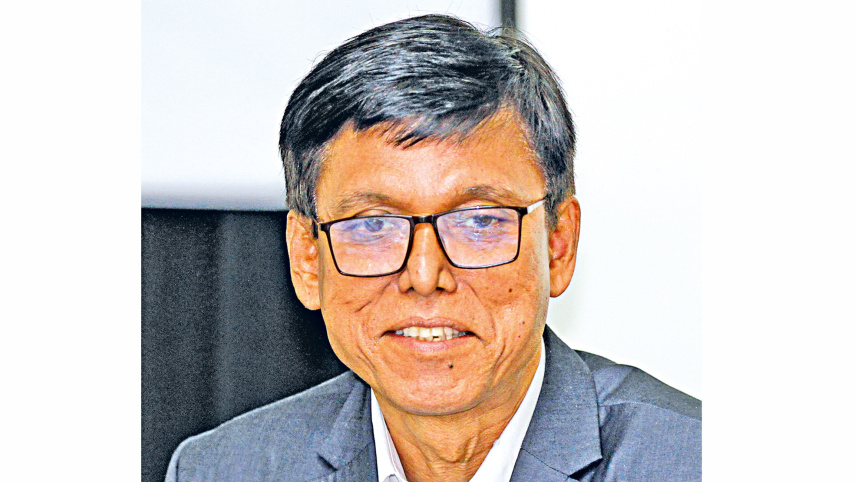
Dr M Aslam Alam
Chairman,
Insurance Development and Regulatory Authority (IDRA)
There is a lack of progress at COP30 on climate finance, and fossil fuel phase-outs force Bangladesh to abandon hope for external support and rely strictly on its own resources. To facilitate this, the IDRA is actively amending the Insurance Act to provide legal clarity for "parametric insurance," which is currently not covered under existing indemnity-based laws. Additionally, to resolve regulatory duality with the Microcredit Regulatory Authority (MRA), the IDRA proposes a "corporate agent" model. This would allow MFIs and banks to operate under the insurance umbrella with a structured commission system (up to 15%), ensuring a unified regulatory framework.
On the operational front, standardisation and skills development are priorities. The IDRA has signed an MOU with UNDP to develop a regulatory framework for inclusive insurance and is drafting a "Bangladesh Actuary Act" to establish an Actuarial Council. Bangladesh Meteorological Department(BMD) lacks the precision for immediate "prevention," their short-to-medium-term forecasting is sufficient for insurance modelling. However, the most significant hurdles are financial and political. Obtaining government subsidies for insurance premiums is difficult because the state already heavily subsidises agriculture and disaster relief, and the IMF opposes further subsidy expansion. Progress is hindered by political fears that premiums subsidise insurance companies rather than the poor, and the lack of a National Poverty Register creates significant targeting errors. Ultimately, a deep 'crisis of trust' exists, requiring strict governance reforms to ensure claims are settled and public confidence is restored.
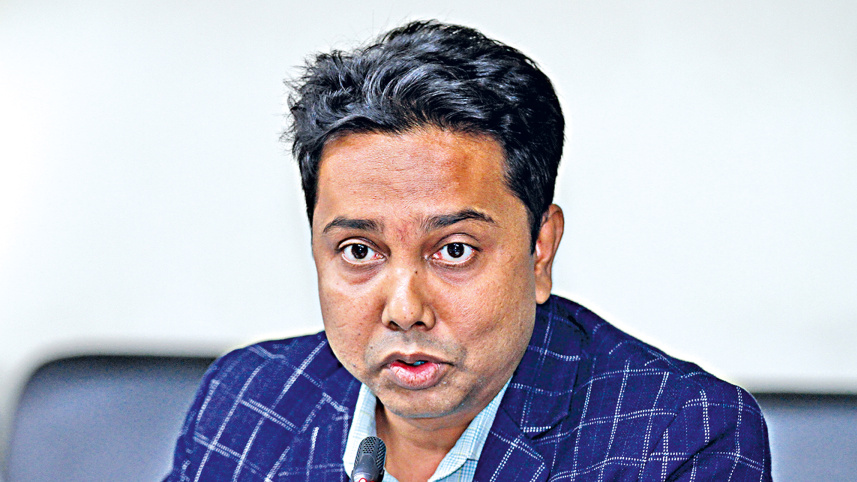
Md Sariful Islam
Head of Influencing, Communications, Advocacy & Media (ICAM)
Oxfam in Bangladesh
Oxfam has been working in Bangladesh for over 50 years of frontline experience in Bangladesh, spanning from the 1970 Bhola cyclone to recent urban disasters. Responding to disasters and ensuring climate actions are one of our key working areas. To support the affected communities, CRI plays a crucial role. There should be a unified "one umbrella" approach where the Ministries of Finance and Planning, along with the IDRA, development partners, NGOs, CSOs, the media, and relevant people, must consolidate their resources to tackle climate change and ensure insurance for affected people. The sector has struggled for decades; the time for experimentation is over. We must now force through policies that deliver tangible, immediate protection to climate-impacted populations.
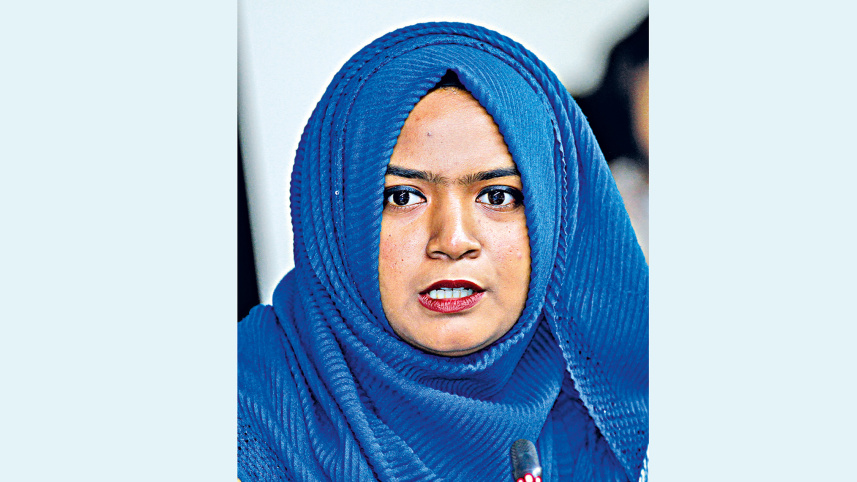
Nafisa Tasnim Khan
Senior Programme Officer, Oxfam in Bangladesh
Climate Risk Insurance cannot operate in isolation; it must be anchored in a wider ecosystem supported by value-added agro-meteorological services, strong linkages with field-level DAE representatives, and robust vulnerability and risk mapping. A climate risk index is essential to determine who should be covered, for which hazards, and to what extent.
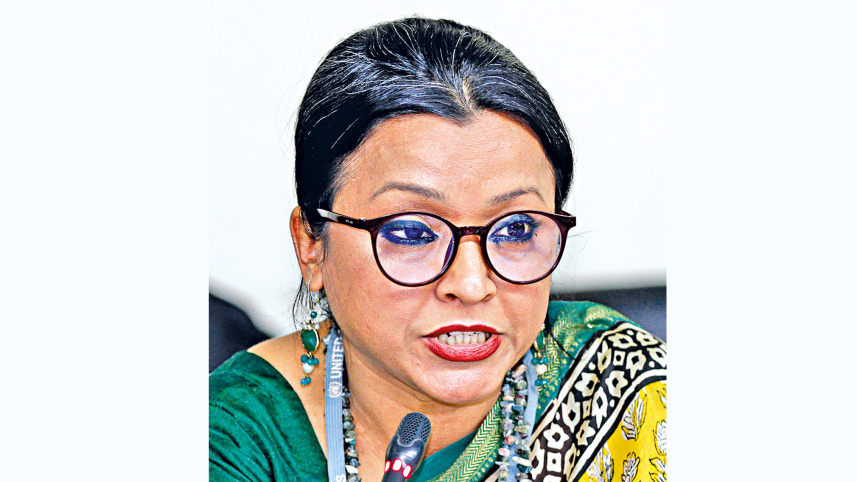
Nigar Dil Nahar
Programme Policy Officer, Resilience Innovation, UN World Food Programme
Bangladesh has more than 100 well-designed social safety net programs. However, they are not flexible to respond to sudden shocks. When disasters strike, if the government can inject additional resources through a top-up mechanism, it can provide rapid assistance without creating new administrative structures. This approach transforms safety nets into shock-responsive instruments. WFP is working closely with the Ministry of Disaster Management and Relief (MoDMR), Ministry of Women and Children Affairs (MoWCA) and Ministry of Social Welfare (MoSW) to institutionalise this flexibility and integrate climate risk insurance and Anticipatory Action.
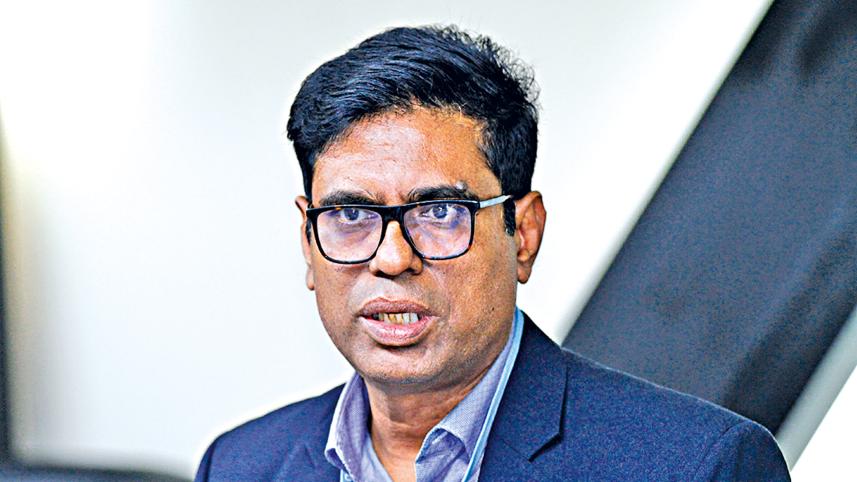
Md. Norul Amin
Programme Policy Officer – Climate Risk Insurance, UN World Food Programme
UN WFP is supporting climate-vulnerable people to protect their livelihoods from extreme climate events through promoting climate risk insurance tools. First, we must educate communities to build trust and understanding of insurance mechanisms. Second, we need to strengthen the technical capacity of the BMD and the Flood Forecasting and Warning Centre (FFWC) to ensure access to quality weather and hydrological data. Finally, effective design and implementation require coordination at both national and regional levels.
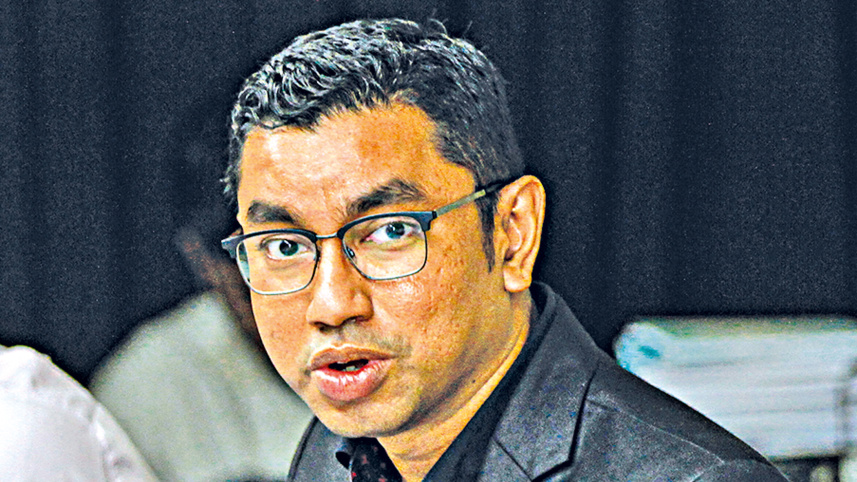
Tanjim Ferdous
In-Charge, NGOs & Foreign Mission, The Daily Star
Moderator
It is clear Bangladesh must move climate risk insurance from experimental pilots to an institutional mainstream — by adopting a dedicated legal framework, offering fiscal incentives and creating a national disaster risk fund to close the affordability gap for vulnerable farmers. We must strengthen actuarial and data capacity, open reinsurance markets, and formally recognise cooperatives and MFIs as distribution partners. IDRA, MoDMR and Finance should take joint ownership so insurance becomes a core pillar of national resilience.
Recommendations
Amend the Insurance Act to Legalise Parametric Insurance
Finalise amendments to the Insurance Act to provide legal clarity for "parametric" (index-based) insurance.
Remove VAT on Climate Insurance Premiums
The government should remove the existing 15% VAT on insurance premiums to lower costs for low-income farmers.
Implement a "Corporate Agent" Model
A "corporate agent" model allows Microfinance Institutions (MFIs), banks, and digital platforms to sell insurance and earn structured commissions (up to 15%).
Secure International Funding for Premium Subsidies
Actively collaborate with development partners and global climate funds to secure external financing for premium subsidies.
Establish a National Poverty Register
A verified National Poverty Register will eliminate subjectivity and corruption in identifying vulnerable households, addressing concerns that subsidies currently benefit insurance companies or non-poor individuals rather than the true victims of climate change.
Conduct Midterm Evaluations of Existing Pilots
a rigorous midterm evaluation of ongoing initiatives, specifically the "Jamuna River Sustainable Management Project." Policy decisions should be grounded in the micro-level evidence and beneficiary feedback from these 100,000-household pilots.
Comments