


Enforcing tobacco law is the real challenge
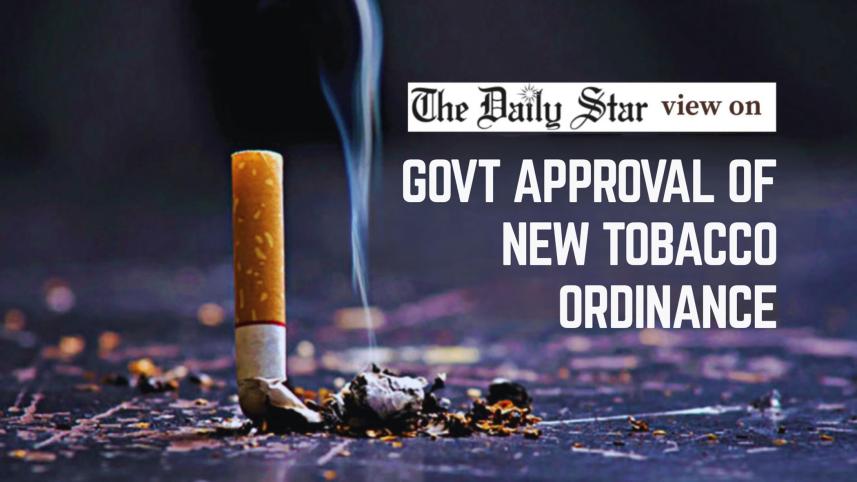
The government's move to approve a relatively comprehensive anti-tobacco ordinance deserves to be acknowledged at a time when tobacco consumption has visibly increased in the country. Against this backdrop, the ordinance appears to signal a renewed intent to prioritise public health and to respond to long-standing demands for tighter controls.
Several of its provisions are undoubtedly positive. Expanding the definition of tobacco products to include newer forms such as nicotine pouches and banning e-cigarettes and vaping are necessary steps, although one must note the apparent double standard in not extending the same blanket ban to smoking in general. That said, the decision to prohibit all forms of tobacco advertising, including online promotions, deserves to be acknowledged, as does removing the provision for so-called "smoking zones," or banning the consumption of tobacco products in public places alongside smoking. These should strengthen the message that public spaces must be protected from tobacco exposure.

However, we must also acknowledge the omissions of the ordinance that can weaken its impact. The exclusion of several draft sections from the approved version—such as banning the sale of loose or unpackaged tobacco, hawking or unregistered sale of tobacco products, or flavouring them—has raised concerns among anti-tobacco campaigners. Loose cigarettes and flavoured products are among the most common entry points for young and low-income users, while hawking and unregistered sales allow tobacco to circulate with minimal oversight. The question is, why would the government allow this to happen?
Admittedly, revenue consideration is a big factor. According to our report, the omission proposals came from the National Board of Revenue and the finance ministry as the draft prohibitions could reduce revenue generation. Thus opposition from the health ministry was ignored. That revenue considerations can override public health concerns is deeply alarming. Tobacco-related illnesses already impose an enormous economic burden on us through healthcare costs, lost productivity, and premature deaths.
So while we agree with public health experts who welcomed the ordinance as being comprehensive, we must urge a reconsideration of the omission decisions and also stricter enforcement of anti-tobacco provisions, since new regulation will mean nothing without proper enforcement.
 For all latest news, follow The Daily Star's Google News channel.
Comments