


The silent health threat many people carry alone
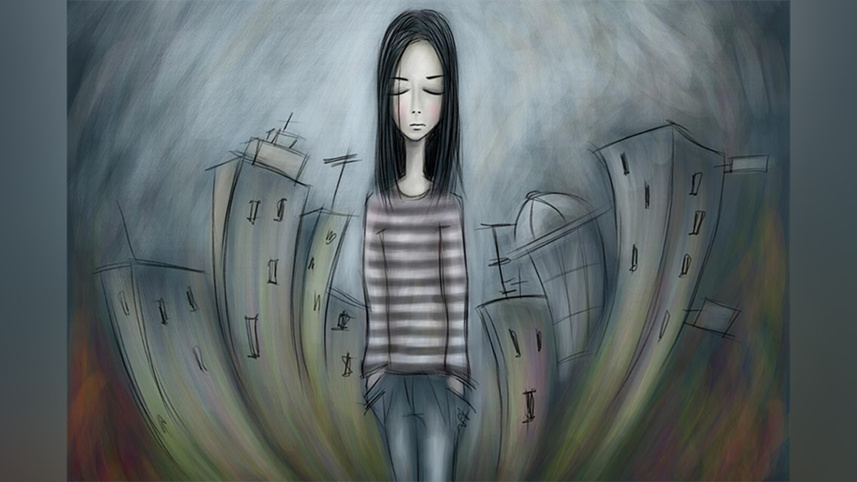
Loneliness is far more than an unpleasant feeling. New research suggests it is closely linked to depression and poorer physical health, marking it out as a growing public health concern in the United States.
By examining several years of nationwide telephone surveys, researchers found that feeling persistently lonely went hand in hand with far worse mental well-being and noticeably poorer physical health. People who described themselves as constantly lonely were far more likely to experience depression and to struggle through repeated days each month feeling mentally or physically unwell. Patterns also varied across groups, with women generally reporting greater mental strain linked to loneliness, while some ethnic differences appeared in how strongly depression was connected to feeling isolated.

Although the study relied on people reporting their own experiences and could not account for every life circumstance, the message is clear: loneliness has tangible consequences for health. The authors argue that it should be treated with the same seriousness as other major risk factors.
They suggest that doctors and health services could begin asking routinely about loneliness, helping to spot those at risk early and direct them towards social programmes or community support.
The wider implication is striking. Loneliness is not simply a private struggle; it may be shaping national health in quiet but powerful ways. Tackling isolation, the researchers conclude, could play a vital role in improving overall well-being and reducing depression across society.
Source: PLOS One
 For all latest news, follow The Daily Star's Google News channel.
Comments