


3,000 leprosy cases detected annually
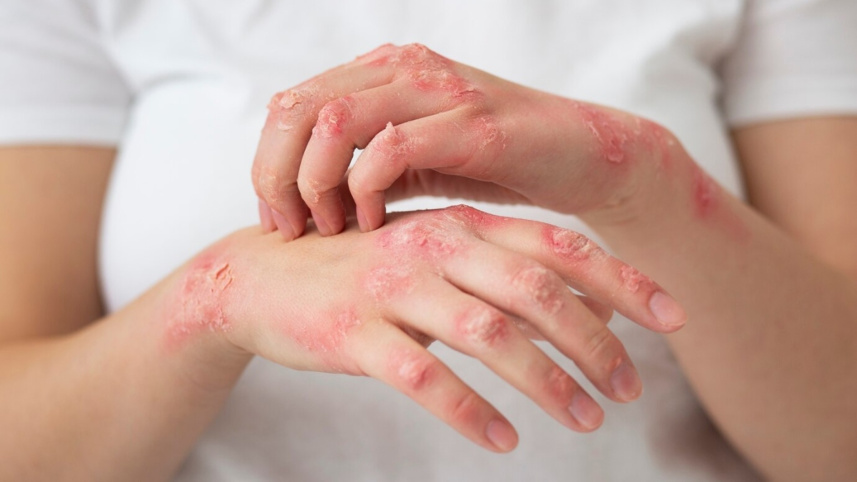
Although Bangladesh achieved the elimination of leprosy as a public health concern around three decades ago, more than 3,000 new cases are still detected annually, highlighting the challenges in achieving zero prevalence of the disease.
Public health elimination of a disease means reducing its prevalence rate to less than one case per 10,000 population.

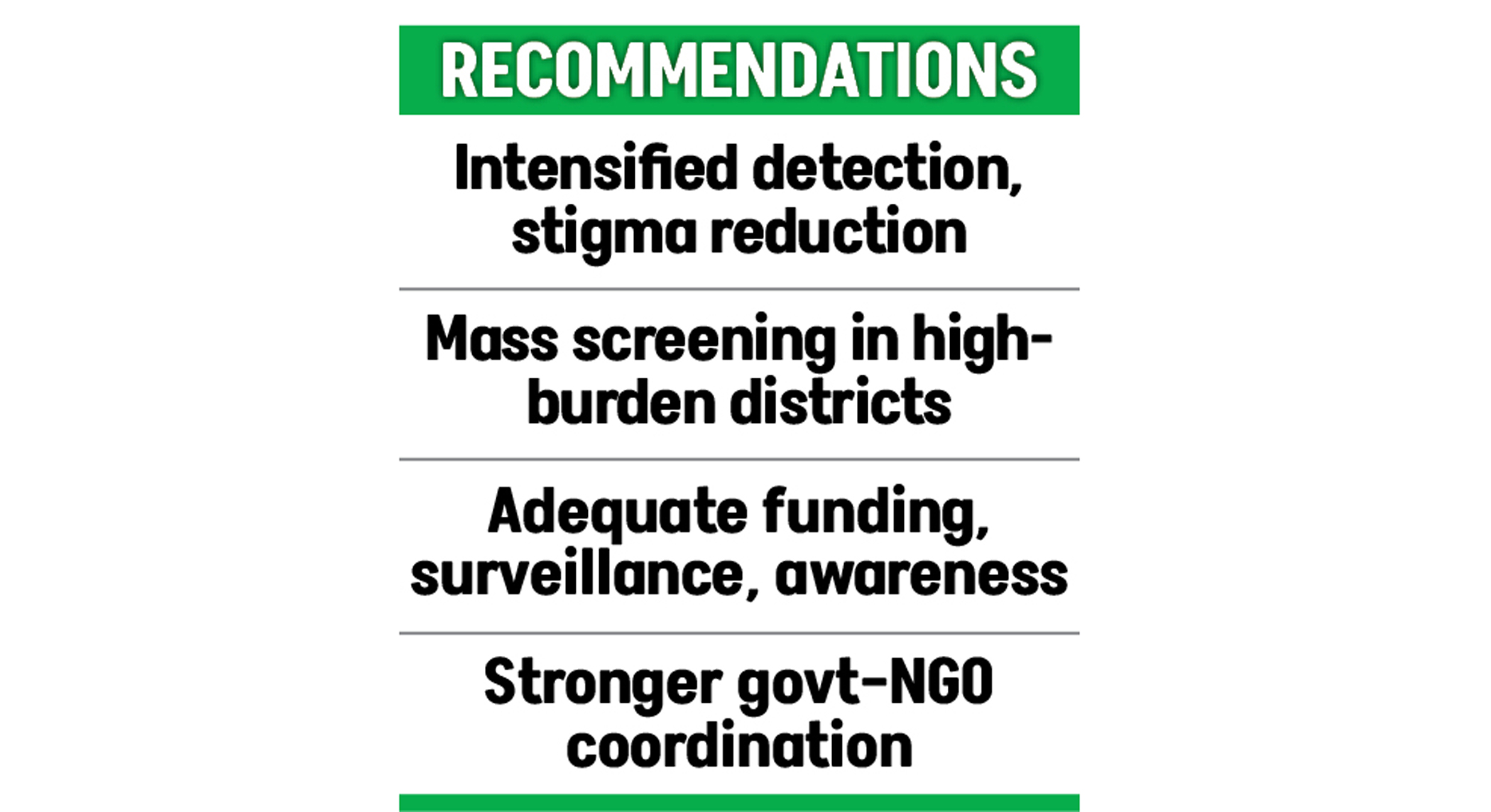
Health experts and officials have recommended an intensified drive, particularly in high-burden districts, to detect new cases and ensure patients receive treatment, aiming to achieve the zero-leprosy-prevalence target by 2030.
They also said leprosy patients are often surrounded by social stigma, making awareness campaigns involving all relevant stakeholders essential to make the country leprosy-free.
The speakers made the remarks at a discussion organised to mark World Leprosy Day, observed yesterday.
The National Leprosy Programme of the Directorate General of Health Services hosted the discussion at the DGHS under the slogan, “Leprosy is Curable, the Real Challenge is Stigma.”
In her keynote speech, Afsana Alamgir Khan, assistant director and programme manager (leprosy) at the DGHS, said the National Leprosy Programme started activities in 1985 in selected geographical areas and was expanded nationwide in 1996.
In 1998, the country achieved public health elimination, but 13 districts still bear a heavy burden of the disease, meaning the detection rate is as high as five per 1,000 population, she said.
She said 2,640 new cases were detected in the first nine months of last year, while the figures were 3,519 in 2024 and 3,639 in the previous year.
The National Leprosy Programme, in collaboration with NGOs, has been identifying new patients and providing treatment, she said.
There is a national strategic plan for 2023 to 2030 and an updated national guideline for treatment, she added, but said several barriers were holding back their efforts.
She said the national programme currently has no funds to continue essential activities such as training, capacity building, assessment and surveillance, while many posts remain vacant.
Talking to this correspondent after the programme, she said that following the expiry of the sectoral programme last year, operations have been continuing with funding provided by the World Health Organization.
She said a massive drive is needed in high-burden districts to detect new cases and ensure patients receive treatment.
Shishir Moral, a special correspondent at Prothom Alo, said leprosy has long been neglected and receives very little media coverage.
Rajesh Narwal, deputy representative of WHO Bangladesh, said media and communities need to come forward to create awareness about leprosy.
Shiekh Momena Moni, an additional secretary of the health ministry, said many with leprosy are afraid to disclose their condition due to superstition. She also emphasised the need to address manpower and infrastructure challenges in leprosy treatment.
Prof Abu Jafor, director general of the DGHS, stressed better coordination between government and NGO initiatives.
Two leprosy patients, Salomon Sumon Halder, country director of The Leprosy Mission Bangladesh, Mahfuza Rifat, country representative of Damien Foundation Bangladesh, Mamunur Rashid, joint secretary of the health ministry, and Prof Dr Khair Ahmed Choudhury, additional director general of the DGHS, also spoke at the programme, with Syed Kamrul Islam, director of the DGHS, in the chair.
 For all latest news, follow The Daily Star's Google News channel.
Comments