


Wildlife we can still save
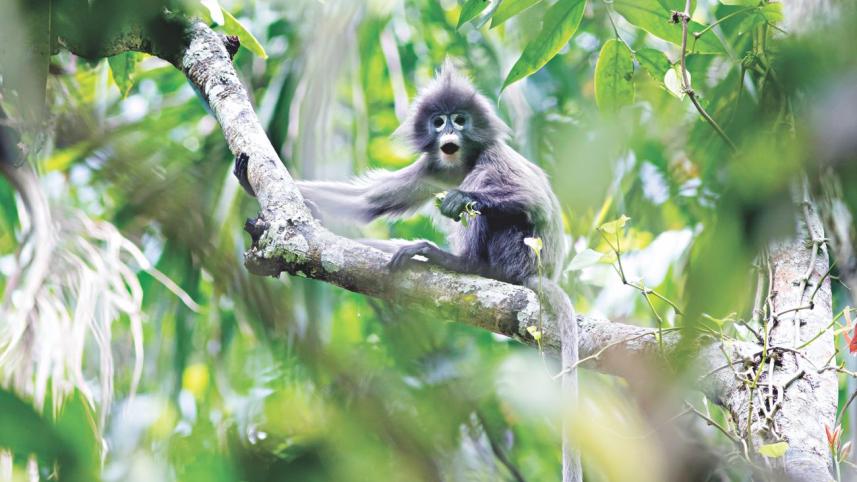
Phayre’s Leaf Monkey is a globally endangered primate and still surviving in the hill forests of Sylhet and Chittagong divisions. Rigorous protection of hill forests is needed for its continued survival.
Since 1970 we have lost 60 percent of mammals, birds, fish and reptiles around the world as a result of large-scale deforestation, loss of wetlands, grasslands and marine environment. Our activities are destroying nature and wildlife at an extraordinary rate. However, even in a small country like Bangladesh, we still offer shelter to many globally threatened mammals and birds that are worth protecting for our future generations. It is still not too late to take conservation actions.

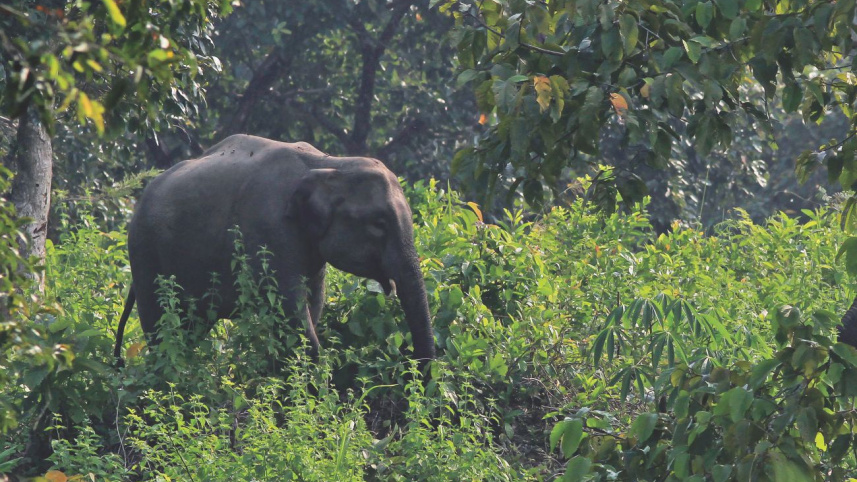
The population of Asian Elephant in Bangladesh are rapidly declining, especially due to the Rohingya crisis in greater Cox’s Bazar area and deforestation elsewhere.
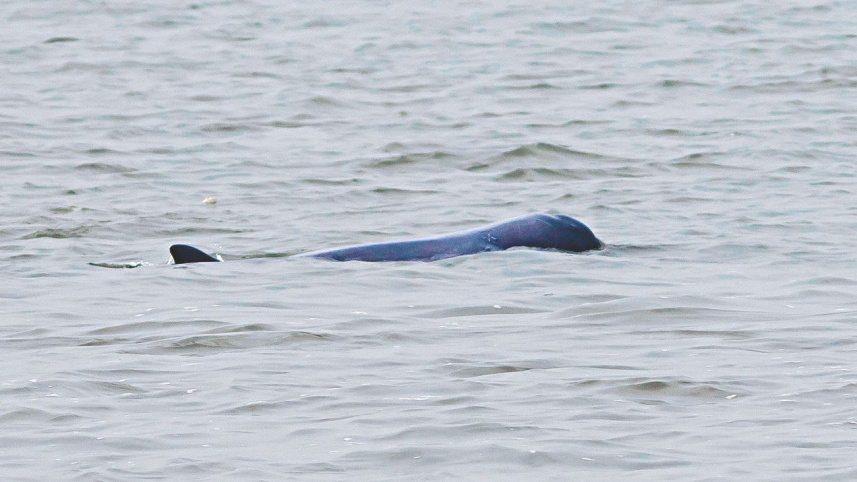
Irrawaddy Dolphin are found along the entire coast of Bangladesh, and the Sundarbans possibly supports one of the largest populations in the world. It is an endangered cetacean.
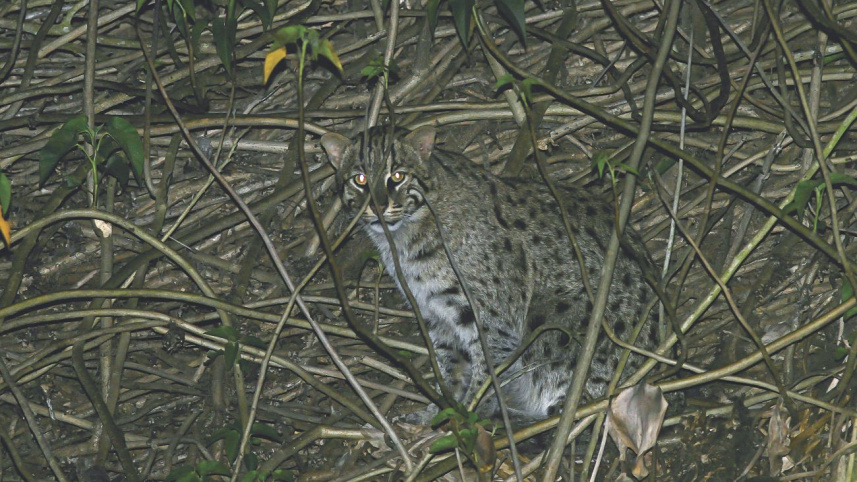
Fishing Cats can still be seen in many wetland areas of Bangladesh, but are facing immense pressure to persist as a result of wetland degradation and conflict with local people. It is listed as a globally vulnerable species.
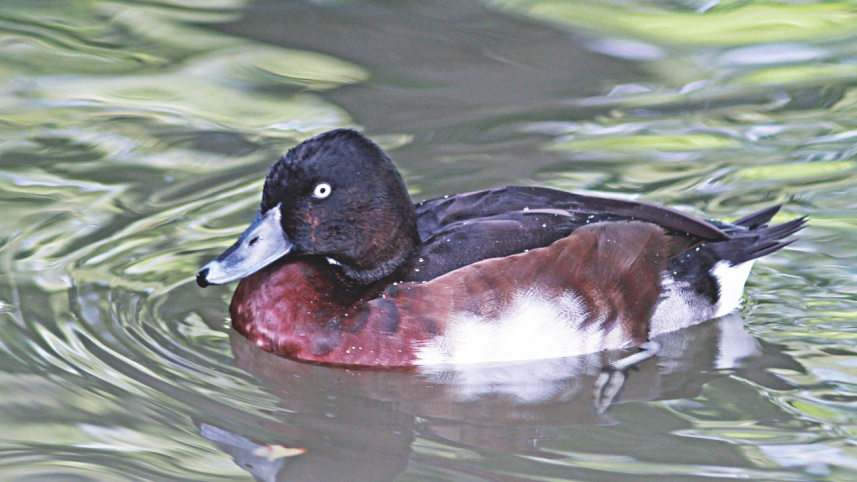
Only a few hundred of the critically endangered Baer’s Pochard is left in the world. This migratory duck visits our freshwater wetlands of northeast Bangladesh, especially Tanguar and Hakaluki Haor.
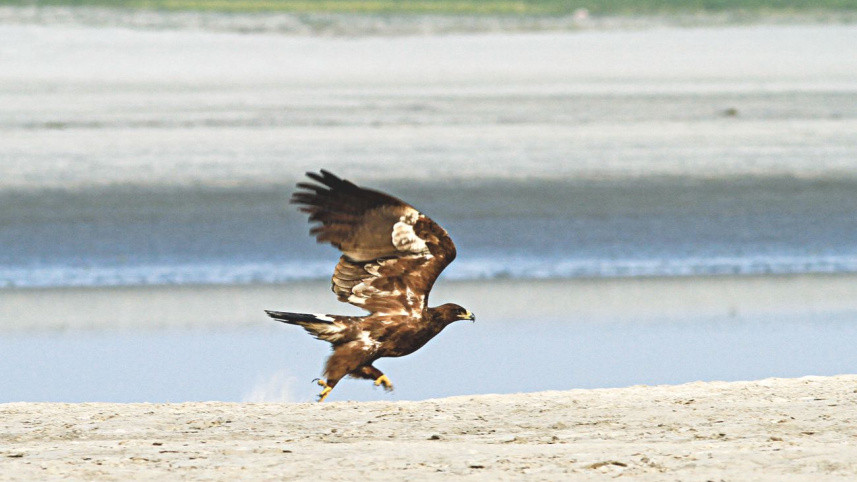
The endangered Steppe Eagle mainly occurs in riverine habitats along Padma and Jamuna rivers in winter.
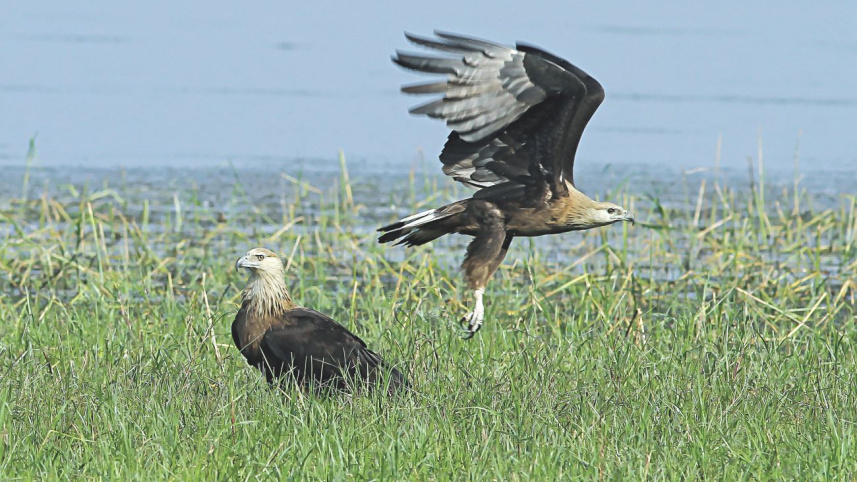
Pallas’s Fish Eagle comes to the Haor basins of Bangladesh to breed in winter. This raptor is largely dependent on healthy freshwater wetland ecosystems.
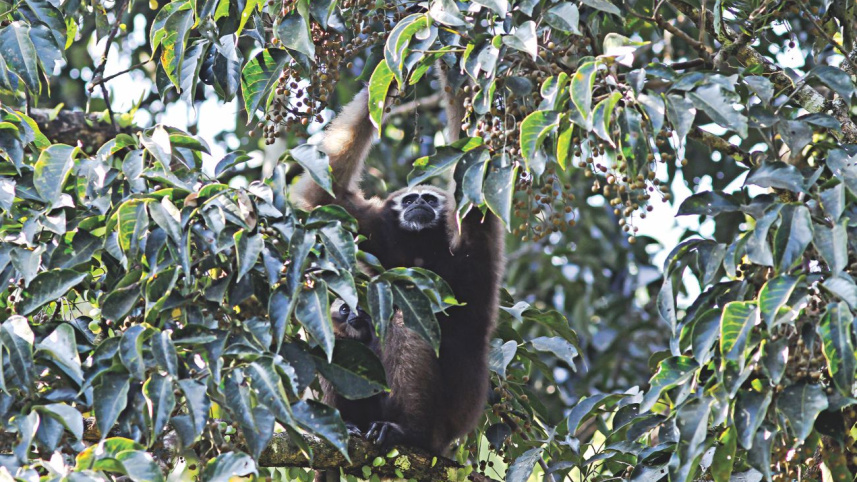
Hill forests of Sylhet and Chittagong divisions still echo with Western Hoolock Gibbon’s fascinating calls. It is also listed as globally endangered.
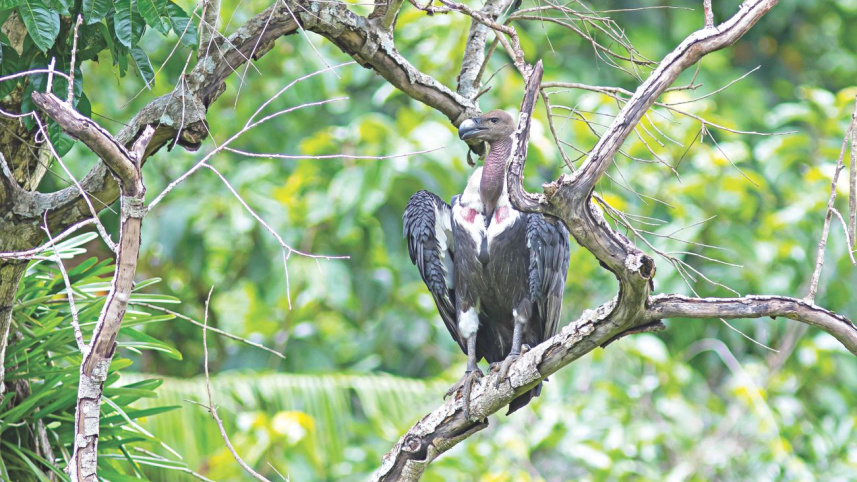
The critically endangered White-rumped Vulture used to occur almost everywhere in Bangladesh, but it is now only confined to northeaster forests and the Sundarbans.
 For all latest news, follow The Daily Star's Google News channel.
Comments