


How to promote healthy diets
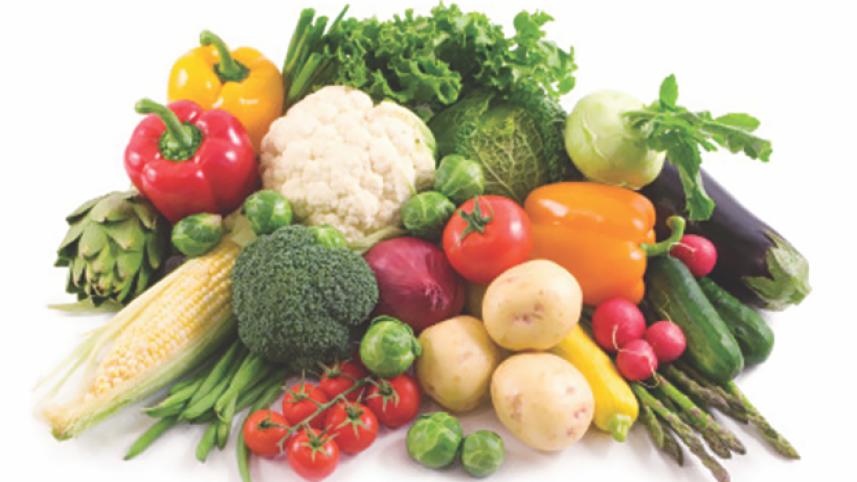
Diet can depend on an individual's food choices, but also the availability and affordability of healthy foods, and sociocultural factors. Therefore, promoting a healthy food environment requires involvement across multiple sectors and stakeholders, including government, public and the private sector.
Governments have a central role in creating a healthy food environment that enables people to adopt and maintain healthy dietary practices.
Effective actions by policy-makers include:
1. Coordinate trade, food and agricultural policies with the protection and promotion of public health:
* increase incentives for producers and retailers to grow, use and sell fruits and vegetables;
* reduce incentives for the food industry to use saturated fats and free sugars;
* set and enforce targets to reformulate food products to cut the contents of salt, fats (i.e. saturated fats and trans fats) and free sugars);
* implement the WHO recommendations on the marketing of foods and non-alcoholic beverages to children;
* establish standards to promote healthy, safe and affordable food in public institutions;
* encourage private companies to provide healthy food in their workplaces;
* set incentives and rules so consumers have healthy, safe and affordable food choices;
* encourage transnational, national and local food services and catering outlets to improve the nutritional quality of their food, create real choices, and review portion size and price;
* consider taxes and subsidies to encourage food manufacturers to produce healthier food and make healthy products available and affordable.
2. Encourage consumers demand for healthy foods and meals:
* promote consumer awareness;
* develop school policies and programmes that encourage children to adopt a healthy diet;
* educate children, adolescents and adults about nutrition and healthy dietary practices;
* encourage culinary skills, including in schools;
* allow informed choices through proper food labelling that ensures accurate, standardised and comprehensible information on food content in line with the Codex Alimentarius Commission guidelines;
* provide dietary counselling in primary health care.
3. Promote healthy nutrition in infants and young children:
* Implement the International Code of Marketing of Breast-milk Substitutes
* promote and support breastfeeding in health services and the community, including through the Baby-Friendly Hospital Initiative.
Source: World Health Organisation

 For all latest news, follow The Daily Star's Google News channel.
Comments