


Endometriosis: The common condition affecting millions of women worldwide
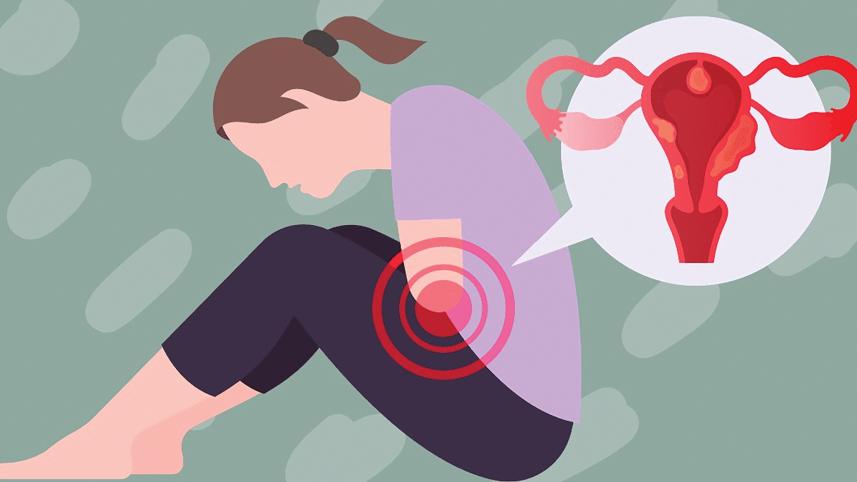
Endometriosis affects an estimated 10% of women of reproductive age globally, around 190 million people. It is a chronic and often painful condition in which tissue similar to the lining of the uterus grows outside the womb, causing inflammation, scarring, and the formation of adhesions.
Symptoms vary widely but commonly include severe period pain, heavy menstrual bleeding, ongoing pelvic pain, infertility, and abdominal bloating or nausea. The condition most often occurs in the pelvis, but in some cases it affects other parts of the body, including the abdomen and chest. Endometriosis can also interfere with sexual intercourse, bowel movements, and urination, and it is linked to depression, anxiety, and other mental health challenges.

Endometriosis affects women from the start of menstruation through to menopause, regardless of ethnic or social background. It can also affect transgender men and non-binary people who menstruate. Despite its prevalence, there is no known cure. Treatment focuses on managing symptoms and reducing long-term impacts, using medicines or, in some cases, surgery.
Diagnosis remains a major challenge. Symptoms are often diverse or mistaken for "normal" period pain, leading to long delays in care. On average, it takes between four and 12 years to receive a diagnosis.
Treatments include pain relief such as non-steroidal anti-inflammatory drugs (NSAIDs) and hormonal therapies, including contraceptives, progestins, and other hormone-based medicines. Surgery can remove lesions, adhesions, and scar tissue, though symptoms sometimes return.
Fertility treatments such as IVF may be recommended for those struggling to conceive. Multidisciplinary approaches, including physiotherapy and cognitive behavioural therapy, can also help manage pain and improve quality of life.
Endometriosis has wide-reaching health, social, and economic impacts. Chronic pain, heavy bleeding, fatigue, infertility, and poor mental health significantly reduce quality of life. Many individuals miss work or education, leading to lost income and financial strain. Social stigma and the normalisation of period pain often worsen these challenges, leaving many affected people feeling isolated or misunderstood.
There is currently no way to prevent endometriosis. Health experts stress that better awareness, earlier diagnosis, and access to quality care can help limit disease progression and long-term harm. Raising awareness, reducing stigma, and ensuring equitable access to diagnosis, treatment, and support services remain crucial. The condition continues to be a global health priority, particularly in low- and middle-income countries where access to specialised care is limited.
While there is no cure, early diagnosis, effective symptom management, and access to appropriate care can greatly improve quality of life.
 For all latest news, follow The Daily Star's Google News channel.
Comments