


Dementia: a global public health challenge
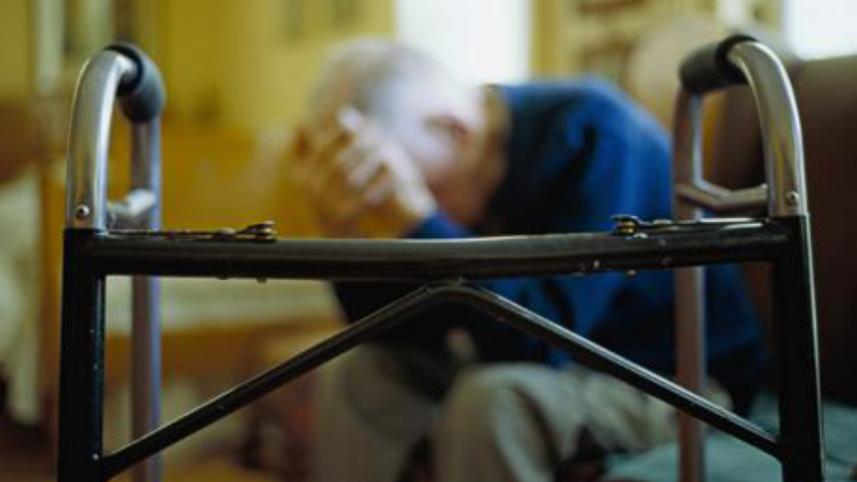
Dementia is a syndrome, usually of a chronic or progressive nature, caused by a variety of brain illnesses that affect memory, thinking, behaviour and ability to perform everyday activities.
The number of people living with dementia worldwide is currently estimated at 47.5 million and is projected to increase to 75.6 million by 2030. The number of cases of dementia are estimated to more than triple by 2050.

Dementia is overwhelming not only for the people who have it, but also for their caregivers and families. There is a lack of awareness and understanding of dementia in most countries, resulting in stigmatisation, barriers to diagnosis and care, and impacting caregivers, families and societies physically, psychologically and economically.
Dementia is not a normal part of ageing
Although dementia mainly affects older people, it is not a normal part of ageing.
A new case of dementia is diagnosed every 4 seconds
The total number of new cases of dementia each year worldwide is nearly 7.7 million, implying 1 new case every 4 seconds. This is a very significant number to pay attention.
Huge economic impact; US$ 604 billion per year
The high cost of the disease will challenge health systems to deal with the predicted future increase of cases. The costs are estimated at US$ 604 billion per year at present and are set to increase even more quickly than the prevalence.
Caregivers experience high strain
Caring for dementia patients is overwhelming for caregivers. The stresses include physical, emotional and economic pressures. Care givers require support from the health, social, financial and legal systems.
Early diagnosis improves the quality of life
The principal goals for dementia care are:
- diagnosing cases early;
- optimising physical health, cognition, activity and well-being;
- detecting and treating behavioural and psychological symptoms; and
- providing information and long-term support to caregivers.
People with dementia and their families are often discriminated against
People with dementia are frequently denied the basic rights and freedoms available to others. For example, physical and chemical restraints are used extensively in aged-care facilities and acute-care settings.
Awareness and advocacy are needed
Improving the awareness and understanding of dementia across all levels of society is needed to decrease discrimination and to improve the quality of life for people with dementia and their caregivers.
More research and evaluation is required
More research is needed to develop new and more effective treatments and to better understand the causes of dementia. Research that identifies the modifiable risk factors of dementia is still scarce.
Dementia is a public health priority
 For all latest news, follow The Daily Star's Google News channel.
 To address this important health priority there are actions that can be taken:
- promote a dementia friendly society;
- make dementia a public health and social care priority everywhere;
- improve attitudes to, and understanding of, dementia;
- invest in health and social systems to improve care and services for people with dementia and their caregivers; and
- Increase research on dementia.
Source: World Health Organisation
Comments