


Delay in safe motherhood: Ways to reduce it
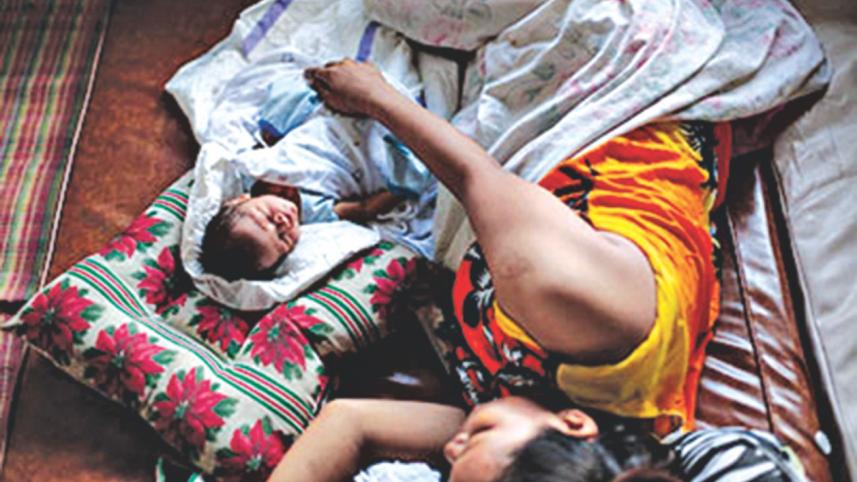
The three-delay model of accessing care is an important consideration for safe motherhood. Decision making delay to use emergency obstetric care during pregnancy, child birth and postpartum periods during obstetric complications is an important factor for maternal death in developing countries.
Delay phases

Most maternal deaths can be avoided if appropriate treatment starts in time. Delay in receiving appropriate care can, therefore, be considered as the main factor contributing to maternal mortality.
However, delay can take many forms and has a wide range of causes. The causes are certainly not limited to the patient who is seeking care too late but may occur at any time between the onset of a problem and the outcome. Following three phases are noteworthy:
* Phase one is between the onset of a complication and decision making by the pregnant woman and/or her family to access to formal healthcare and medication.
* Phase two occurs between decision making to seek care and reaching the health care facility.
* Phase three occurs reaching the health care facility and the initiation of the appropriate treatment.
These different delays have different underlying problems. Delay in the decision to seek care is influenced by the distance to the healthcare facility and to the cost of travelling there. In addition, it is related to the capability to recognise a problem and to the decision making power and capabilities of the women and their relatives.
Lastly, the perceived quality of care will play a role. While empowering women or lowering transport cost will not be in the direct sphere of influence of a physician, improving quality most definitely is.
Delay in the second phase, reaching the hospital, occurs mainly due to transport issues. The influence availability of transport, length of the road and road conditions will all the time it takes to travel to a hospital.
Many deficiencies in the healthcare system may account for delay in the third phase, delay that occurs after a woman has reached a hospital. Shortage of equipment and drugs, shortage of staff, but also late recognition of symptoms and inadequate management of the woman and, lastly, the hospital administration as a whole may all contribute to maternal death.
The three phases are not independent from each other. For instance, the decision to go to a hospital will be influenced both by a woman's previous experience in hospital and by the distance she will have to travel.
Ways to reduce delay
To influence the prevalence of maternal and neonatal death, interventions must aim at these three different phases and it will depend on the local circumstances at which phase the most effective intervention must aim. In a resource poor environment it is likely that delay in all phases will play a role.
Depending on local circumstances, ways to reduce delay may include some or all of the following:
* Providing women with the opportunity to set up their own businesses to increase their financial independence and their status in the community.
* Facilitating delivery of health promotion information in the community for women and their partners to identify warning signs to timely access different levels of maternal health services. We provide family planning information so women can better space their pregnancies and have control over the number of children they have.
* Assessing transport issues and developing effective transport methods to ensure the access of appropriate level of care to give birth safely.
* Imparting training to doctors, nurses and midwives to provide high quality, skilled maternal health care in the community.
* Providing support to upgrade health center buildings and, where needed, medical equipment and medicines.
 For all latest news, follow The Daily Star's Google News channel.
Comments