


How to cancel TIN

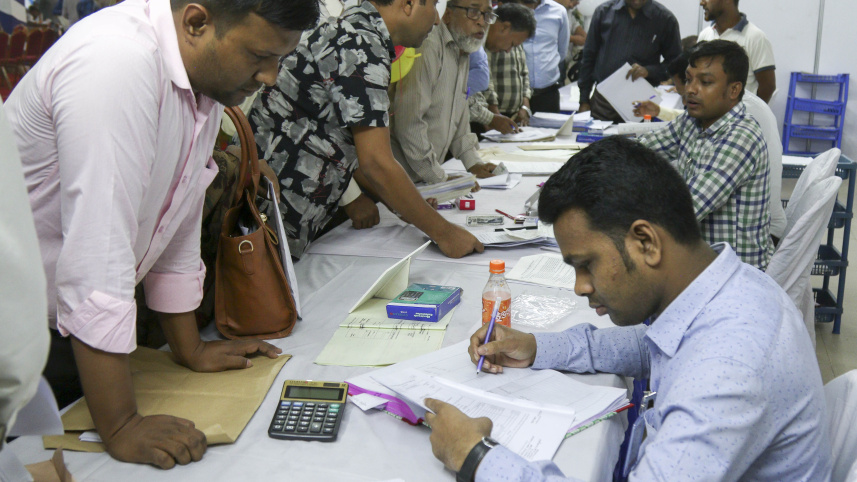
Taxpayers may seek to cancel their Income Tax Registration—essentially cancelling their Tax Identification Number (TIN)—for various reasons, such as the complete loss of business or source of income, long periods of no taxable income, changes in the legal structure of the business (e.g., transitioning from a sole proprietorship to a company), wrongful or unnecessary registration, the administrative hassles of filing regular returns, or the risk of possible penalties.

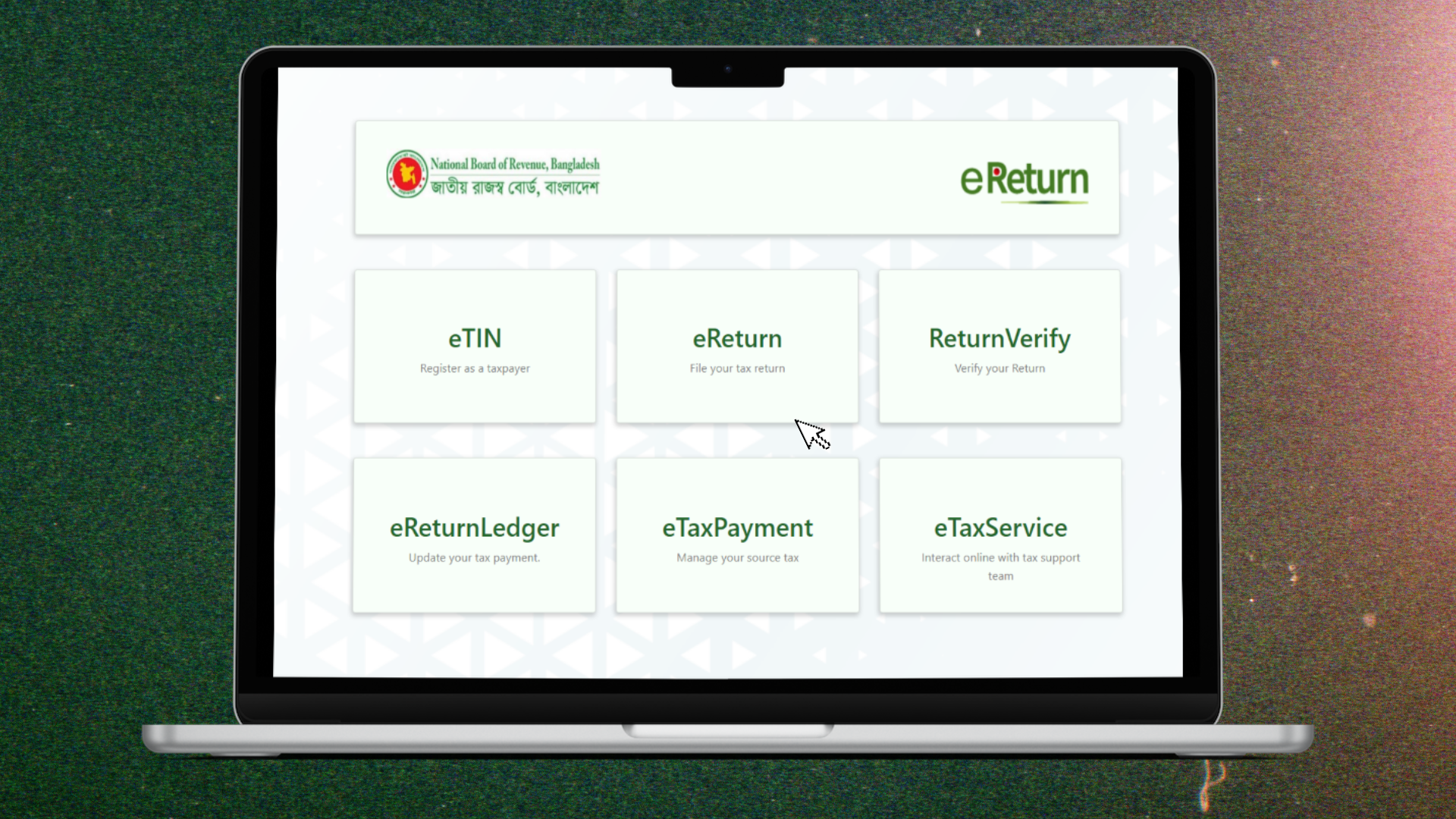
Considering these circumstances, Section 262 of the Income Tax Act, 2023 outlines the provisions for the cancellation of taxpayer registration.
According to the law, a person can apply for cancellation of their registration under certain conditions.
For example, if the taxpayer is no longer required to file a return under Section 264 and is no longer defined as a taxpayer under Section 2 (22).
Additionally, if their taxable income has been nil for the past three consecutive years, and there is no likelihood of taxable income in the future due to physical disability or any other reasonable cause, they may apply for cancellation.
Similarly, if the taxpayer is no longer required to file a return under Section 166, this can also serve as grounds for cancellation.
Furthermore, in the event of the taxpayer's death, the dissolution of their business or organisation, or any other event that causes the business or entity to cease to exist, an application for cancellation of registration can be made.
If the taxpayer permanently leaves Bangladesh and is no longer engaged in any income-generating activities within the country, they may also apply for cancellation.
Registration can also be cancelled if it was issued erroneously or due to a change in the taxpayer's legal status. The law further states that registration can be cancelled based on any other valid and reasonable grounds.
If any of the above reasons apply, and the taxpayer wishes to cancel their income tax registration—basically cancelling their TIN—they must first apply to the income tax authority, mentioning the reason for cancellation.
Once the income tax authority receives an application for cancellation of registration, it may cancel the registration after verifying and confirming the application.
However, certain conditions must be met for this to happen. Firstly, the taxpayer must have no outstanding tax liabilities, i.e., all taxes owed must be paid. Secondly, there must be no pending tax assessment matters. Thirdly, no disputes related to income tax should be pending in any forum. Lastly, the reasons provided by the taxpayer for cancellation must be truthful and substantiated.

Additionally, the Board of Revenue has been granted powers under the Income Tax Act to cancel a taxpayer’s registration voluntarily in certain circumstances.
For instance, if there is sufficient reason to cancel the registration, or if the Board has evidence that the taxpayer does not have a legitimate source of income.
The Board may also cancel registration if it is discovered that the taxpayer’s registration was obtained for fraudulent purposes, such as involvement in financial crimes or money laundering, or if the information provided during registration is found to be incorrect, misleading, or false.
However, even if a taxpayer’s registration is cancelled, the Board is not required to destroy all the taxpayer’s information and records.
According to the law, the Board may preserve the records of de-registered taxpayers for the prescribed period, depending on the need or circumstances.
These records can be used for future verification, legal purposes, or other administrative tax matters. Finally, "deregistration," in legal terms, refers to the deactivation or dormancy of a taxpayer’s TIN, making it unsuitable for general use. This does not imply that the taxpayer’s previously collected information or records will be deleted; rather, they will be stored in the prescribed manner.
 For all latest news, follow The Daily Star's Google News channel.
 While this provision offers relief to taxpayers by allowing them to discontinue an inactive or unnecessary registration, it also safeguards the interests of the tax authority by ensuring that relevant records remain available for audit, verification, investigation, or legal enforcement whenever required.
In this way, the provision maintains continuity in tax administration and prevents misuse of deregistration as a means to evade liability, thereby promoting an orderly, transparent, and accountable tax system.
The writer is an FCA and a financial sector analyst. He can be reached at faysal.aqc@gmail.com
Comments