


US banks’ commodity trading exposures rise
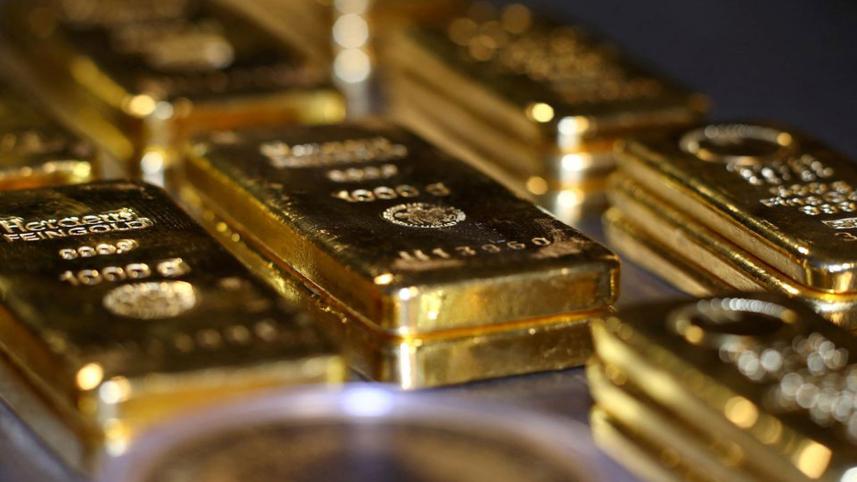
Wall Street banks' commodities trading exposures are rising, which could leave them vulnerable to large swings in asset values following Russia's invasion of Ukraine, first quarter earnings disclosures showed.
Goldman Sachs Group Inc and JPMorgan Chase & Co both reported an uptick in a commodities trading risk measure, with Goldman's now the highest in a decade, according to a Reuters review of bank filings.

Oil, gas, wheat and precious metals markets have grown more volatile since Russia invaded Ukraine and Western countries imposed sanctions on Russian trade. But results so far suggest that banks are managing the risk effectively.
The London Metal Exchange (LME) halted nickel trading last month after prices doubled to more than $100,000 per tonne. Sources blamed the price surge on short covering by one of the world's top producers.
Wall Street were once big commodities traders, but they scaled back after the 2007-09 financial crisis as tighter regulations restricted their ability to trade with their own money and led to rising costs and shrinking profits.
But banks' commodities trading exposures have been gradually rising over the past two years while the Federal Reserve pumped liquidity into capital markets.
The Fed's actions pushed asset values higher and triggered massive investor purchases, rupturing the normal workings of the market and creating a bonanza for investment banks dealing in gold, silver and other precious metals.
 For all latest news, follow The Daily Star's Google News channel.
Comments