


Lankan bondholders brace for losses in debt restructuring
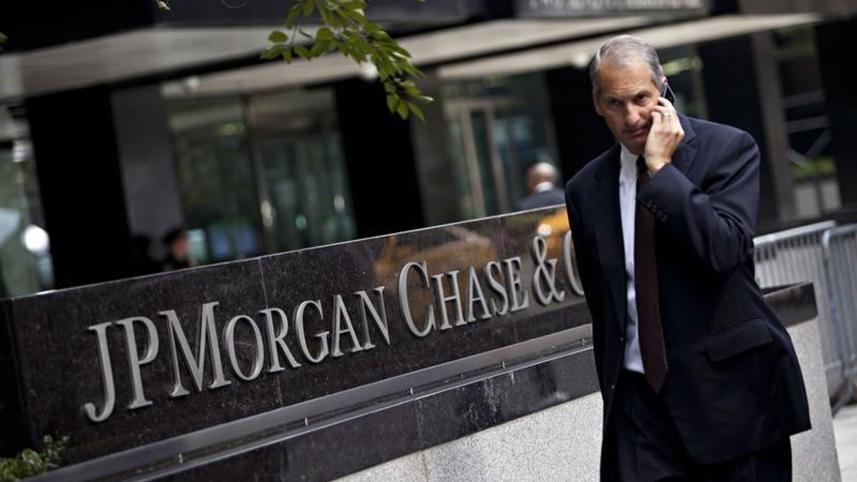
Some big US banks have again started stockpiling cash to cushion potential loan losses due to growing worries over the war in Ukraine and the impact of inflation on the US economy, although trading continues to be bright spot for Wall Street.
JPMorgan Chase & Co, Goldman Sachs Group Inc and Citigroup Inc combined put aside a $3.36 billion in credit loss reserves in the first quarter, the banks said.

That's a reversal from the past 12 months when lenders released reserves after Covid-19-related losses failed to materialise, signaling lenders believe the economic rebound from that crisis may be short-lived as inflation soars and the Ukraine conflict roils markets and dampens global growth.
"The prospect for higher rates and slowing economic growth likely mean increased credit losses," said Tim Ghriskey, senior portfolio strategist at Ingalls & Snyder in New York.
"The banks do not see much in the way of current economic problems, just the likelihood that weaker economic conditions are likely to develop."
Citigroup, the most global US bank, bore the brunt, adding $1.9 billion to its reserves related to its Russia exposure and the war's broader macroeconomic impact. The bank's executives said it could lose $ 2.5 to $3 billion on its Russia exposure.
JPMorgan, the country's largest lender, on Wednesday added $902 million to its reserves, driven by "the probability of downside risks due to high inflation and the war in Ukraine," as well as accounting for Russia-associated exposure. It has said it could lose $1 billion on its Russia exposure over time. Goldman likewise cited "macroeconomic and geopolitical concerns" among other reasons for its $561 million provision and said it will take a $300 million first quarter hit on Russia.
Soaring inflation could dent consumer spending while aggressive Federal Reserve interest rates rises aimed at reining-in prices will likely crimp loan growth, analysts said.
The war in Ukraine and Western sanctions could knock more than 1 per cent off global growth this year and add two and a half percentage points to inflation, the OECD has said. Still, some banks like Morgan Stanley N) and Wells Fargo & Co have little direct Russia exposure. Wells Fargo, a domestic focused bank with a small capital markets business, actually released $1.1 billion of pandemic reserves.
A Citibank branch, which was seized by an unknown man who threatened to blow himself up, is seen in central Moscow
Wells chief executive Charles Scharf nevertheless warned on the economic outlook in a change of tone from previous quarters, noting rate hikes will "certainly" reduce growth. "The war in Ukraine adds additional risk to the downside," he added.
Wells Fargo's shares were down 6 per cent and Citi's were up nearly 2 per cent.
Banks' trading businesses, however, performed better than analysts had anticipated as clients rejigged portfolios in response to expected rate hikes and the war.
Analysts had forecast trading revenue declines of 10 per cent to 15 per cent across the board compared with 2021 when central bank moves to stimulate the economy amid the pandemic saw equity indexes hit record highs and drove a trading bonanza across Wall Street.
 For all latest news, follow The Daily Star's Google News channel.
Comments