
Kazakhs count cost of living as largest city reels from violence
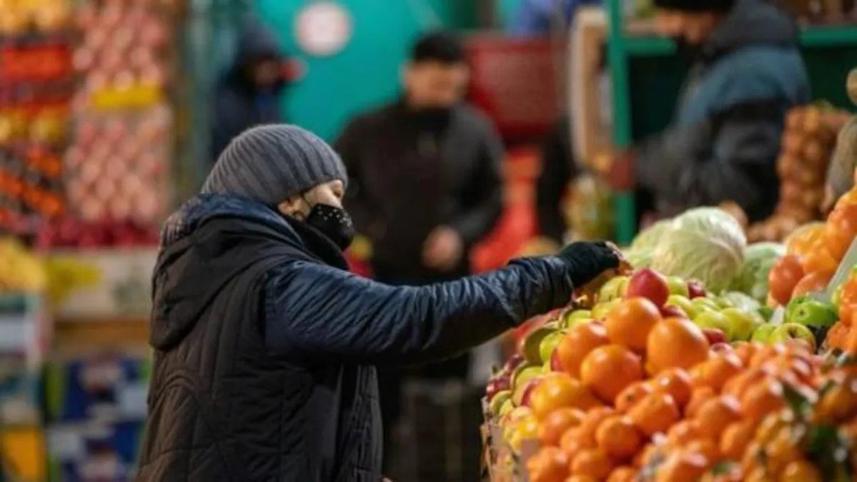
Before clashes between security forces and government opponents left dozens dead and rendered parts of Kazakhstan's largest city almost unrecognisable, citizens in the west of the oil-rich country were staging their own protest against a sudden New Year fuel hike.
By the time the government rolled back prices for liquefied petroleum gas -- a relatively cheap petrol alternative widely used by residents of the former Soviet republic's hydrocarbon heartland -- solidarity demonstrations had popped up all over the vast republic.
 For all latest news, follow The Daily Star's Google News channel.
 In Kazakhstan, a long summer drought and complications in the landlocked country's trade with China made 2021 an especially expensive year, with strong inflation forecast to continue this year too. The concession from beleaguered President Kassym-Jomart Tokayev to reduce LPG prices by more than half on Tuesday arrived too late to save a reputation for stability carefully cultivated by the republic's image-conscious authoritarian leadership.
That night and on Wednesday the southern city of Almaty witnessed protests of unprecedented size and ferocity that saw government buildings seized and set alight before the army and a Russia-led peacekeeping mission restored an uneasy calm.
As residents surveyed the devastation, many blamed the sheer gulf between a ruling elite constantly finding ways to enrich itself and ordinary people getting steadily poorer.
"Everything has become so awfully expensive," complained Galiya, a 42-year-old protester who gave only her first name and said she planned to go abroad in search of work if there were no major changes to the government.
"We have all the minerals in the periodic table here but we live in poverty. The government raised the minimum wage from 42,500 tenge (roughly $100) to 60,000 tenge at the start of the year. How would you begin to live here on that?
"The last quarter of 2021 bequeathed Kazakhstan its worst food inflation since 2016, a year that brought unprecedented nationwide protests as citizens opposed proposals for land code amendments that extended land leases for foreign investors.
The demonstrators made frequent reference to next-door China, whose economic interests in the country have sparked anxiety in the past.
But local analysts argued that the protest mood was payback for the government's overnight move to strip away supports for the tenge currency the year before -- a de facto 50 percent devaluation that collapsed local purchasing power and intensified resentment of top-level officials and their offshore lifestyles.
This time round a long summer drought causing price spikes for vegetables, meat and animal feed has compounded household woes in an economy still struggling to bounce back from the global energy price crash in 2014.
Frequent rule changes, subsidy cuts and "speculation" on Beijing's side of the border in the second half of 2021 meanwhile caused long waits and a surge in costs for containers carrying imported goods, according to Oksana Sorokina, director of the Almaty-based SevenR Logistics company.
"As a result we met the end of the year with a shortage of goods with wild prices that of course were passed on to end-consumers," Sorokina told AFP.
Comments