


The ‘capacity trap’ in RMG
The garment industry, a cornerstone of Bangladesh's economy, faces a looming challenge, i.e. overcapacity. The unplanned expansion and excessive capacity in a few products created a major fault line for the industry.
To be more specific, the industry is overwhelmingly concentrated on three major products -- T-shirts, trousers and sweaters -- where investments flooded over the decades, creating a capacity trap.

The pre-emptive expansion started since the early days. Till the end of 2004, the Multi-Fibre Arrangement (MFA) quotas ensured duty-free access for Bangladesh's garment to the US. Anticipating a shock in demand after quota removal, factories aggressively scaled up their capacity to offset the marginal impact of tariffs, creating a further capacity on selected quota categories, which gradually led to the over-concentrate scenario.
Overcapacity erodes the bargaining power and price negotiation capacity of manufacturers. Factories prioritised utilising existing capacity by offering lower prices, squeezing margins and leaving limited room for higher-value goods. This has created a vicious cycle: low prices attracted more basic garment orders, further reinforcing overcapacity.
Overcapacity is also directly linked to unhealthy competition among factories resulting in price undercutting. Because of the easy access to basic garment orders, factories lack the incentive to invest in innovation or upskilling their workforce for more complex products.
The spectre of overcapacity looms large over the RMG industry, threatening its long-term competitiveness and growth. To escape this and build a sustainable future, a multi-pronged approach is crucial, encompassing both strategic planning and proactive interventions.
The first essential step is a comprehensive national capacity mapping exercise. This involves gathering data on production capacities across various garment categories, analysing investment patterns, and identifying potential gaps. Armed with this knowledge, stakeholders, including the government, can develop targeted strategies to facilitate the right investments on a real-time basis, thus ensuring quality capacity expansion aligned with growth potential.
Bangladesh can't afford to remain stuck in low-value production. Besides, the wage dynamics and macroeconomic trends do not support a business-as-usual scenario. Investing in cutting-edge technologies like automation and robotics can significantly boost efficiency, reduce production costs, and enhance product quality.
Establishing dedicated innovation hubs and fostering research and development collaborations will further accelerate technological advancements.
A skilled and adaptable workforce is the cornerstone of any successful industry. Skill development programmes should go beyond basic sewing and machine operation skills, encompassing areas like design, quality control, and advanced manufacturing techniques. These programmes should equip workers with the necessary expertise to handle complex manufacturing processes and produce high-end goods.
The government has a crucial role to play as well. Offering tax breaks or subsidies for investments in R&D and skill development programmes can incentivise diversification and innovation. Additionally, providing financial assistance for technology adoption and upskilling initiatives can empower factories to embrace change.
While LDC graduation restricts unconditional cash incentives, creative solutions like tax breaks and subsidising enterprise-based skills training programmes are required. Investments in desired product categories that have a clear market opportunity and add higher value to the economy, should be supported by the government in a manner compliant with the rules of the World Trade Organisation.
The overcapacity challenge is not insurmountable. Through a collaborative effort involving industry stakeholders, policymakers, and educational institutions, the RMG industry can break free from the trap and build a sustainable future.
By embracing innovation, diversifying the product portfolio, upskilling the workforce, and leveraging government support, Bangladesh can transform its garment industry into a dynamic and competitive undertaking for the next decades.
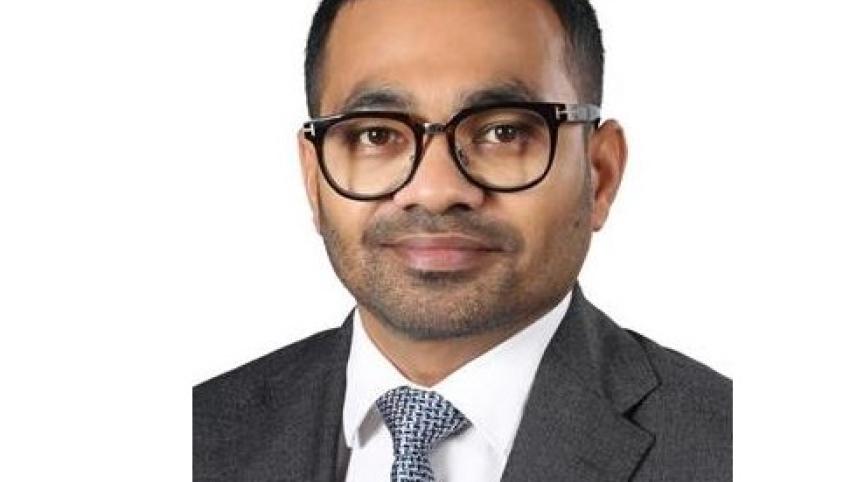
The author is a director of the Bangladesh Garment Manufacturers and Exporters Association
 For all latest news, follow The Daily Star's Google News channel.



Comments