


Korea opens fisheries, construction sectors to Bangladeshi workers
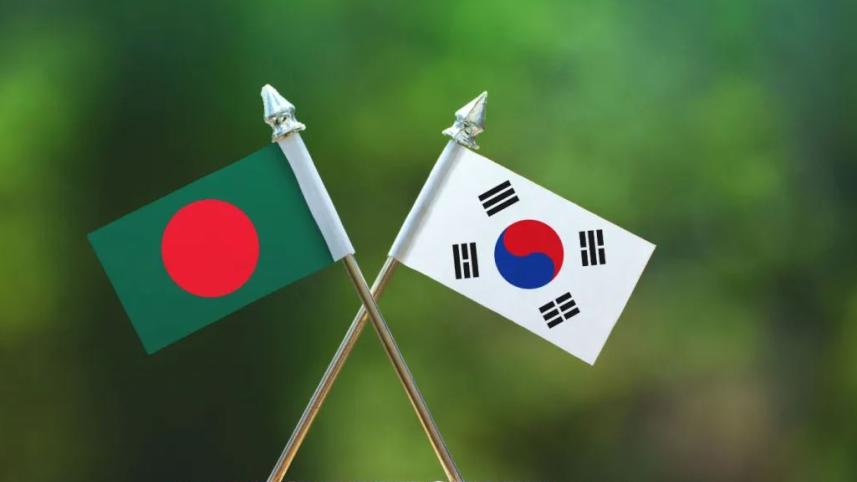
For the first time, South Korea has opened its fisheries and construction sectors to migrant Bangladeshi workers, creating new avenues for employment in a country known for fair labour practices.
Korea has declared quotas for 7,500 Bangladeshis in manufacturing, 304 in shipbuilding, 1,877 in fisheries, and 1,095 in construction this year.

Presently, Bangladeshis in Korea are employed only in the manufacturing and shipbuilding sectors, the South Korean embassy said in a statement on Tuesday.
Park Young-sik, South Korea's ambassador to Bangladesh, said the embassy yesterday began accepting applications for the 11th Employment Permit System (EPS) General Korean Language Test for workers wishing to be hired in South Korea on a first-come, first-served basis.
State-owned recruiting agency Bangladesh Overseas Employment Services Ltd (BOESL) will announce the draw for the test and the application process.
The Korean Language Proficiency Test allows 30,000 people to participate each year. When applying for the language test, each applicant can only apply for one of the four sectors. In addition, this year's participants cannot apply for the 12th EPS language test.
Since the EPS program began in 2008, the highest number of workers sent from Bangladesh to Korea was 5,891 in 2022 followed by 4,804 in 2023.
Korea plans to bring in 165,000 non-skilled foreign workers from 16 countries through the EPS, a Korean system for hiring non-specialised overseas workers.
They allow workers from 16 countries, including Bangladesh, to enter Korea only after they have been evaluated for suitability.
In order for more Bangladeshi workers to be selected by Korean employers, they need to be able to speak Korean fluently and be loyal to their first employer, according to the statement.
Ambassador Park Young-sik said BOESL has been actively and creatively working on the EPS with the human resources department of Korea.
The opening of the fisheries and construction sectors for Bangladeshi migrant workers is seen as a reward for the country's continuous sending of workers to Korea, he added.
In 2011, Korea was awarded the UN Public Service Award for protecting their foreign workers from discrimination, including pay, equal application of labour laws, and access to four types of social insurance.
Young-sik also said Nepal could be considered as an example when considering ways to dispatch more workers from Bangladesh in the future. Nepalese workers settle well in Korean society and work faithfully, thereby earning a good reputation among their employers, he added.
 For all latest news, follow The Daily Star's Google News channel.



Comments