


Diabetes and its four frontlines
On World Diabetes Day, Bangladesh's leading specialists have delivered a unified message: diabetes is not just a "sugar problem." It is a full-body condition that quietly affects the heart, kidneys, eyes, and the entire endocrine system. Each complication begins silently, often without obvious symptoms.
 For all latest news, follow The Daily Star's Google News channel.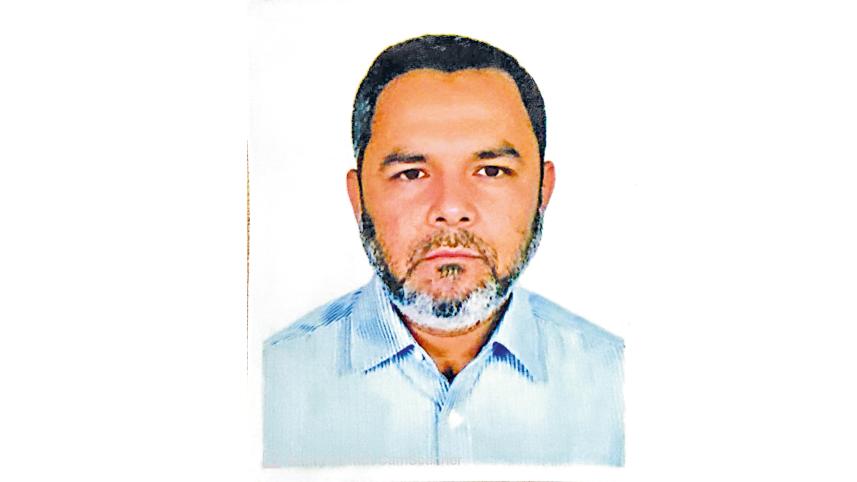
"Both blood sugar and cholesterol must be controlled together to truly protect the heart."
Looking fit is not enough for your heart
Cardiologist Prof. Dr A.F. Khabir Uddin Ahmed warns that looking fit does not always mean being heart-healthy. "A person who only does static exercises like weightlifting may build muscle, but for cardiovascular health, movement is key," he says. Dynamic activities like walking, running, swimming, and cycling keep the heart active and resilient.
Diabetes amplifies the danger by damaging blood vessels and increasing cholesterol buildup. "Poorly controlled blood sugar injures arteries, and unmanaged cholesterol accelerates plaque formation. Both must be controlled together to protect the heart," Dr Khabir explains.
Another common mistake is not monitoring blood sugar levels regularly. Patients also often misunderstand diet management; they might think "eating less" is enough, but this can lead to hypoglycemia. It's not just about eating less, but eating correctly.

"People with diabetes can eat sweets in moderation as long as they are part of a balanced diet."
The age of processed foods
Dr Marufa Mustari, an endocrinologist, draws attention to how urban diets are fueling insulin resistance. "Our traditional Bangladeshi diet was once healthy—rich in fish, lentils, and vegetables. But processed foods, refined rice, and oily meals have made it high in calories and unhealthy fats, leading to weight gain and insulin resistance."
She also clears up a common confusion: Type 1 diabetes is autoimmune and insulin-dependent, while Type 2 results from insulin resistance, often linked to lifestyle. Stress, poor sleep, and excessive screen time worsen blood sugar control, as cortisol and inactivity disrupt insulin function.
Dispelling popular myths, Dr Mustari adds, "Diabetics can eat sweets in moderation within a balanced diet. Sugar alone doesn't cause diabetes—it's a mix of genetics and lifestyle factors. And it's not true that only overweight people get diabetes; anyone can."

"Early diabetic kidney disease is often silent, so routine urine and kidney function tests are essential for every diabetic."
Signs of early kidney damage
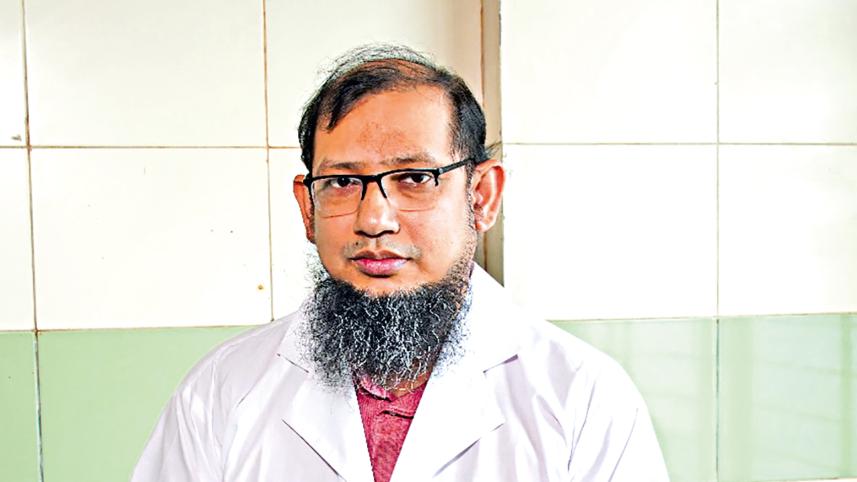
Dr Kazi Shahnoor Alam, a nephrologist, explains how diabetes quietly erodes kidney function. "Initially, protein leaks through the glomeruli, the kidneys' filters, while high blood pressure adds to the damage. Over time, filtration capacity drops permanently," he says.
The danger lies in silence. "Early stages are symptom-free, so patients skip tests until it's too late," he warns. When signs do appear—foamy urine, fatigue, swelling of legs or face—they're often dismissed as minor.
Routine check-ups are crucial: "Every diabetic should test urine albumin and serum creatinine at least once a year," he advises. "If kidney disease is already present, tests should be done every two to three months." A diabetic who has not yet developed kidney disease, should do the tests at least yearly to exclude protein leakage or low glomerular filtration rate (eGFR).
"Early detection and treatment of diabetic retinopathy can stop progression, though full reversal is usually not possible."
The unseen eye damage
According to Dr Mirza Sharifuzzaman, diabetes damages tiny blood vessels throughout the body, including those in the retina. "When these vessels swell or leak, the retina can't send clear images to the brain," he says. Diabetic retinopathy is the leading cause of vision loss among diabetic patients.
The risk isn't limited to retinopathy. "Diabetes increases the likelihood of cataracts and glaucoma," Dr Sharifuzzaman notes. Type 2 diabetics should get an eye exam immediately upon diagnosis. For Type 1 diabetics, screening should begin within five years.
Dr Sharifuzzaman emphasises on controlling blood sugar, blood pressure, and cholesterol for delayed eye damage. A diet rich in leafy greens, fruits, whole grains, and omega-3 fats, alongside regular exercise and no smoking, can preserve vision. However he cautions, "Once vision loss occurs, it's rarely fully reversible—but timely treatment can prevent further decline."
Comments