

Journey to the roof of the world: A Bangladeshi's Tibet travelogue
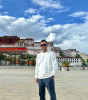
The Himalayas have always beckoned, a silent challenge written in ice and stone. For a traveler from the low-lying delta of Bangladesh, the journey to the ‘Roof of the World'—Tibet—is a profound leap across geography and history. This is the story of a seven-day spiritual odyssey, following ancient Buddhist links to the highest land on earth, from Dhaka to the shadow of Mount Everest.
As the flight from Dhaka ascended, leaving the lush, sea-level plains of Bangladesh behind, I felt a familiar thrill mixed with a potent sense of anticipation. Tibet, the 'Roof of the World'—a land steeped in ancient spirituality and breathtaking high-altitude grandeur, was calling. My week-long journey, meticulously planned and dreamed of for years, began with a transit through China, a necessary step before stepping onto the Tibetan plateau.
Day 1 & 2: A leap to the sky and the trail of Atish Dipankar
Our adventure commenced with the flight from Dhaka to Kunming Changshui International Airport (KMG). Kunming, known as the 'Spring City', sits at a comfortable altitude of about 2,100 metres (6,900 feet), which allowed for a restful overnight stay. However, the next morning was the real leap. Our 8:00 am flight to Lhasa Gonggar Airport (LXA) was a jump to another world.
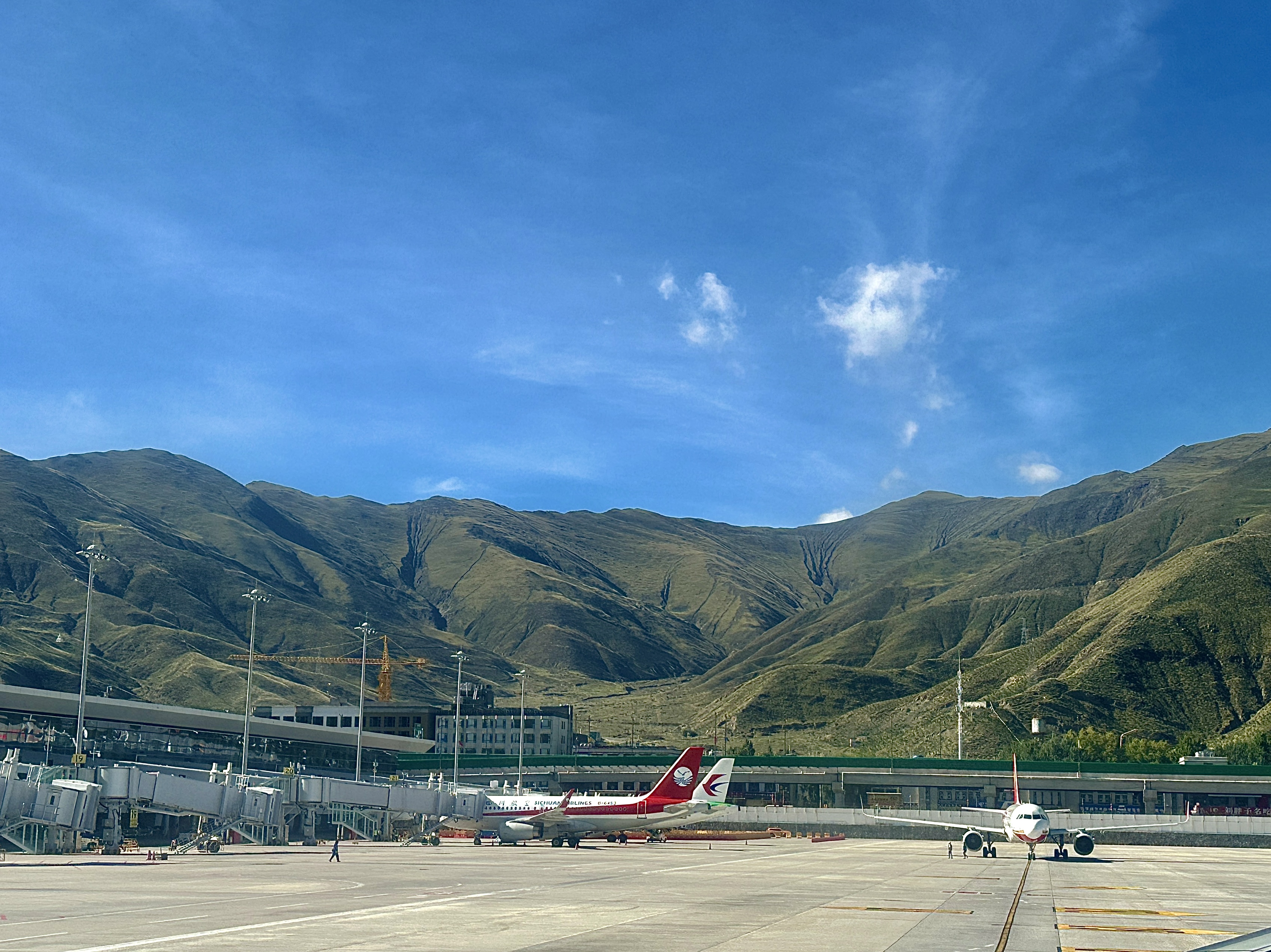
Lhasa Gonggar is one of the world’s highest civil airports, nestled at a dizzying altitude of approximately 3,650 metres (11,811 feet). At this elevation, the oxygen level is significantly lower, roughly 65% of what we experience at sea level in Dhaka. The air was visibly thin, and a sense of 'lightness' in my chest was an immediate, albeit minor, reminder to move slowly. This was the moment I realised acclimatisation wasn't a suggestion—it was the golden rule of survival on the plateau.
As the guide and driver, with their kind smiles and patient pace, drove us towards our downtown Lhasa hotel, we made an essential stop for any Bangladeshi traveller: the Atish Deepankar Monastery (Nyetang Drolma Lhakang). This visit held a deep personal significance, for it was here, near Lhasa, that the ashes and personal belongings of one of the greatest sons of Bengal are preserved.
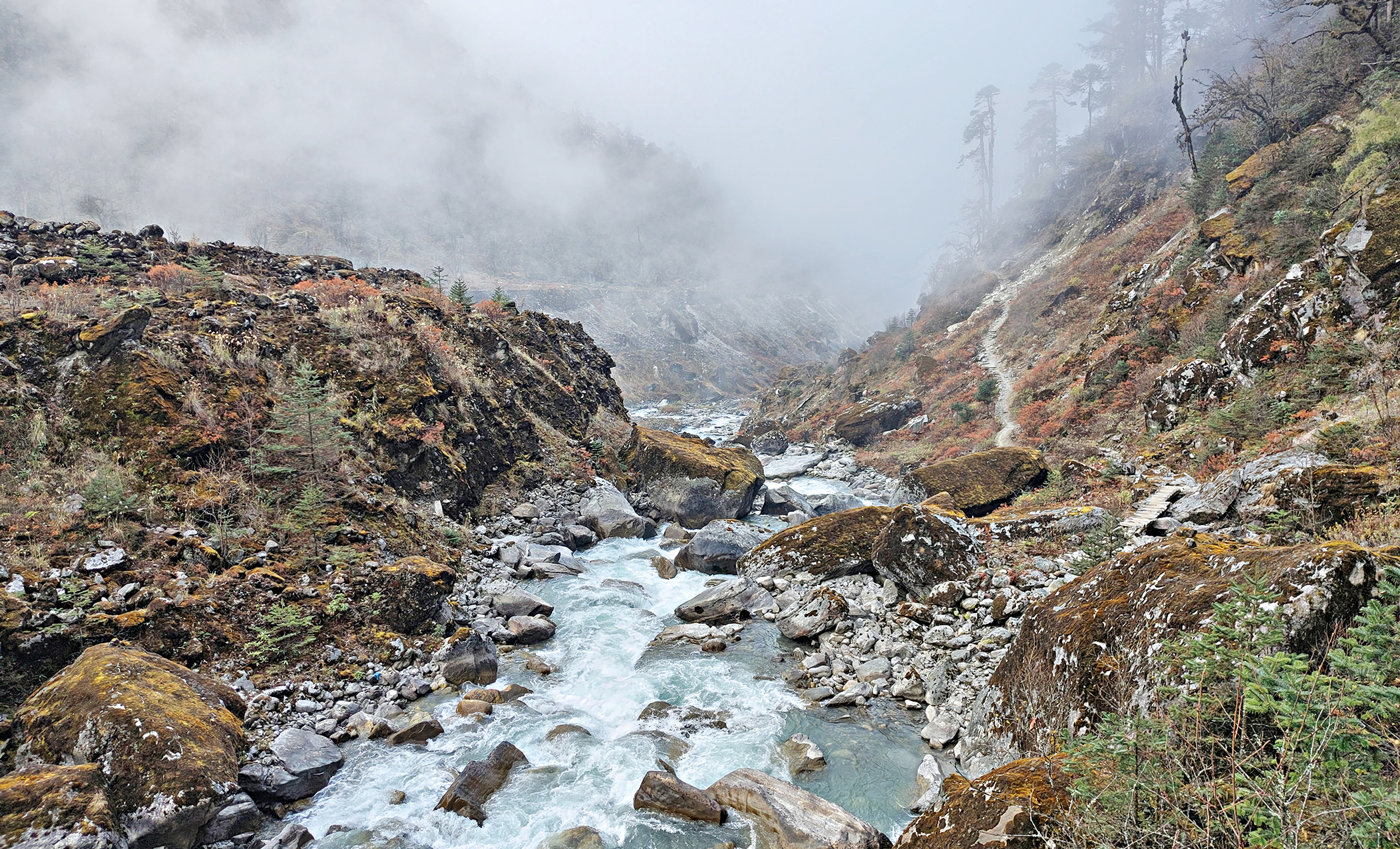
Arriving at the hotel, the imperative to rest was absolute. The gentle rhythm of the Brahmaputra River (known in Tibet as the Yarlung Tsangpo, the longest and largest river in Tibet) and the quieter Lhasa River flowing nearby provided a tranquil backdrop. After a long rest, the evening allowed for a slow, gentle walk around the city, observing life in the high-altitude capital, preparing for the cultural immersion ahead.
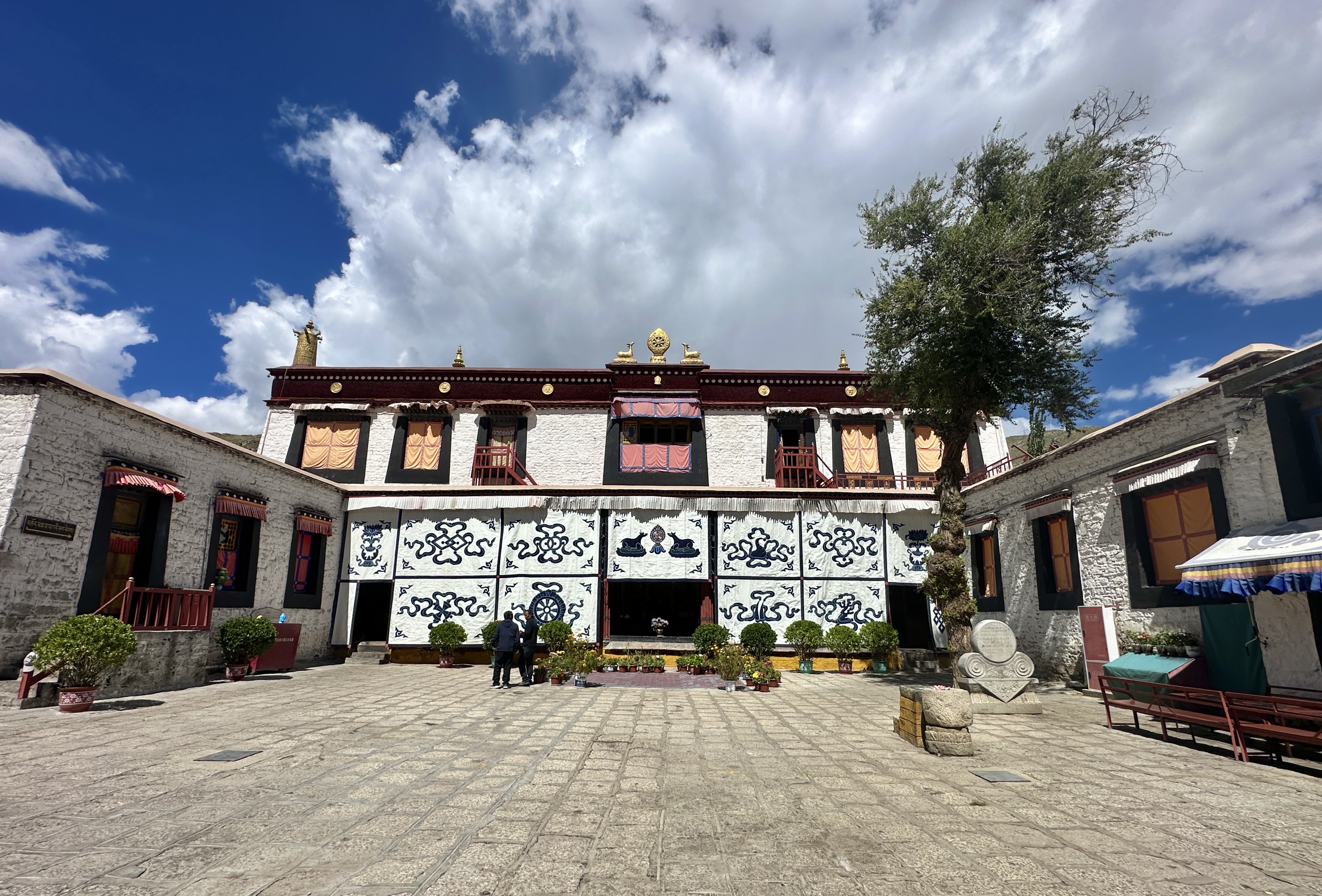
Day 3: A spiritual heartbeat and the palace of treasures
Day 3 was a dive into Lhasa's soul, beginning at the Jokhang Temple, the very heart of Tibetan religious life. Built for the revered Jowo Rinpoche (a statue of Buddha Shakyamuni at the age of twelve), the temple was a swirling confluence of piety. Outside, pilgrims performed ritual prostrations, a sight of incredible devotion that speaks volumes about the depth of faith here.
Surrounding the temple is Barkhor Street, a pilgrimage route where I joined locals and pilgrims for a kora (a religious circumambulation). The atmosphere was electric, a blend of commerce and spirituality in the old market.
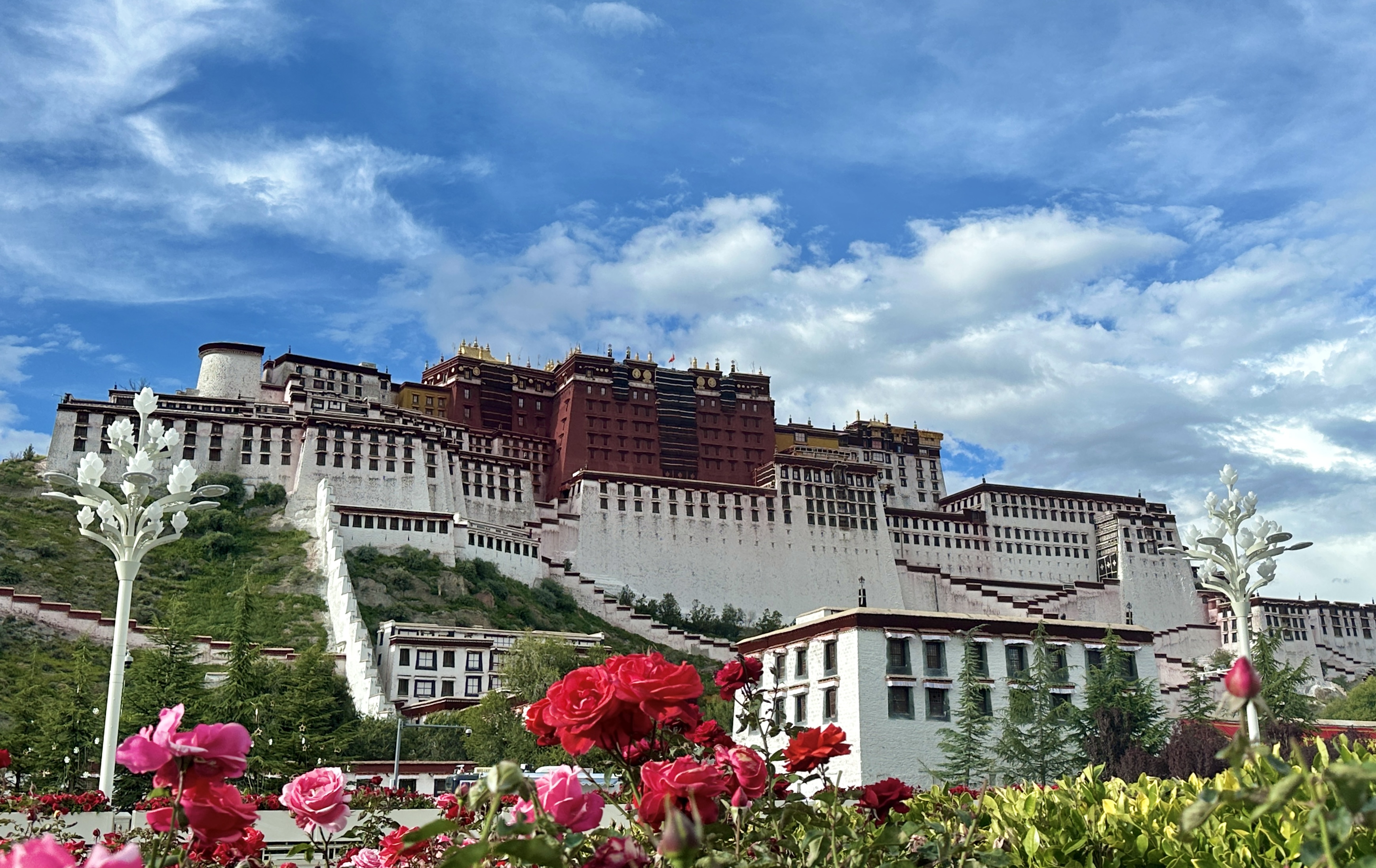
Our next stop was the majestic Potala Palace, a UNESCO World Heritage Site and the former winter residence of the Dalai Lamas. Perched dramatically on a hillside, its crimson and white walls were an unforgettable sight. From the palace's zenith, the panoramic view of the Lhasa Old Town was breathtaking. Inside, we navigated the labyrinthine halls, discovering the lives and stories of the Dalai Lamas and the extraordinary treasures it holds, the most valuable being the gilded burial stupas of former Dalai Lamas and the meditation cave of the 33rd great King of Tibet.
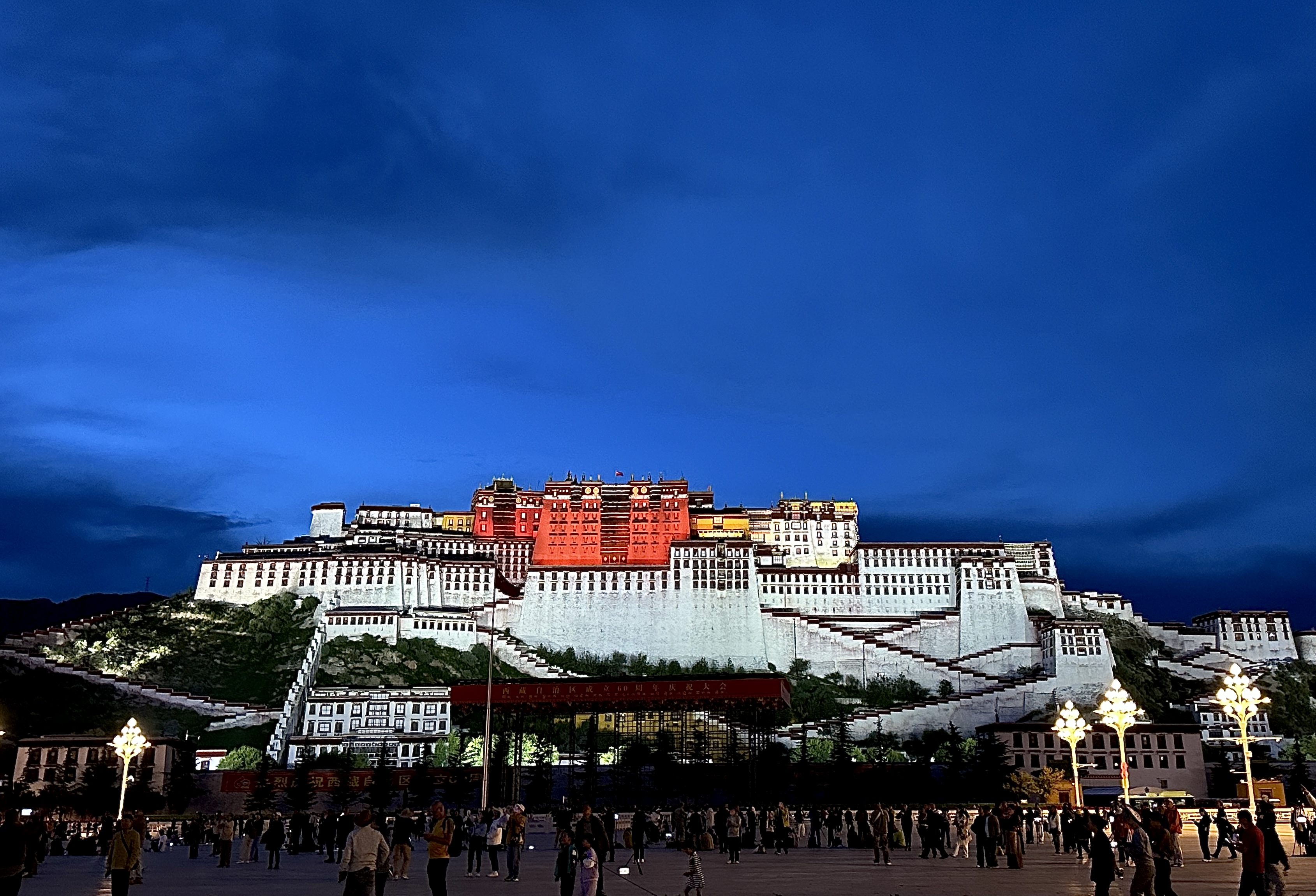
A late lunch preceded a visit to Longwangtan Park at the foot of the Potala Palace. From here, the palace's grandeur was seen from a different perspective, especially beautiful during the evening’s lighting and water fountain show.
Day 4: Lakes, glaciers, and the road to Shigatse
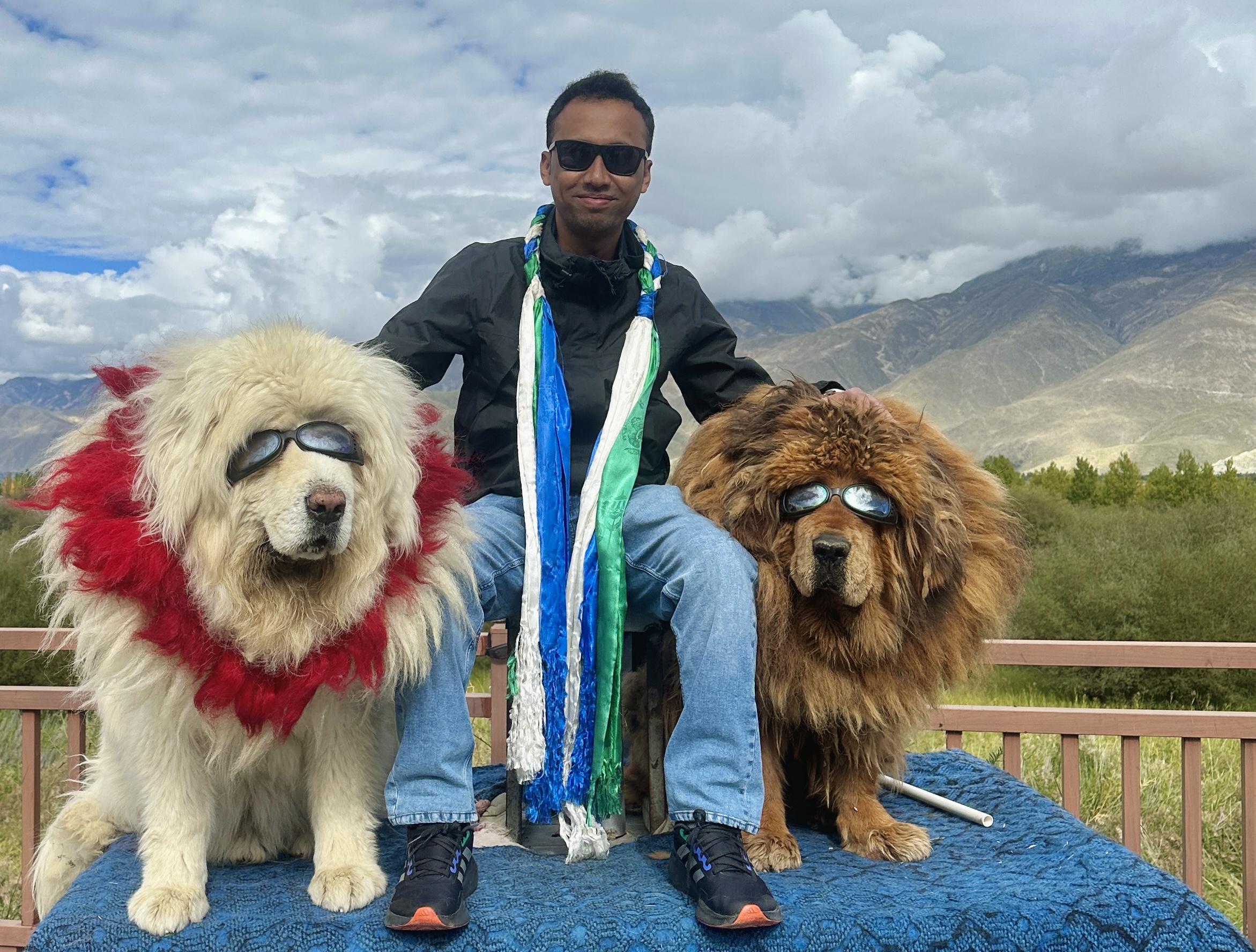
The overland journey from Lhasa to Shigatse began, a 360-kilometre route through some of Tibet's most stunning landscapes. About an hour into the drive, we made a stop where enterprising locals offer photo opportunities with their animals. It was here, at a place often found near the beginning of the higher-altitude roads, that I got my photo with a majestic Tibetan Mastiff dog, its powerful build and noble mien a symbol of the plateau.
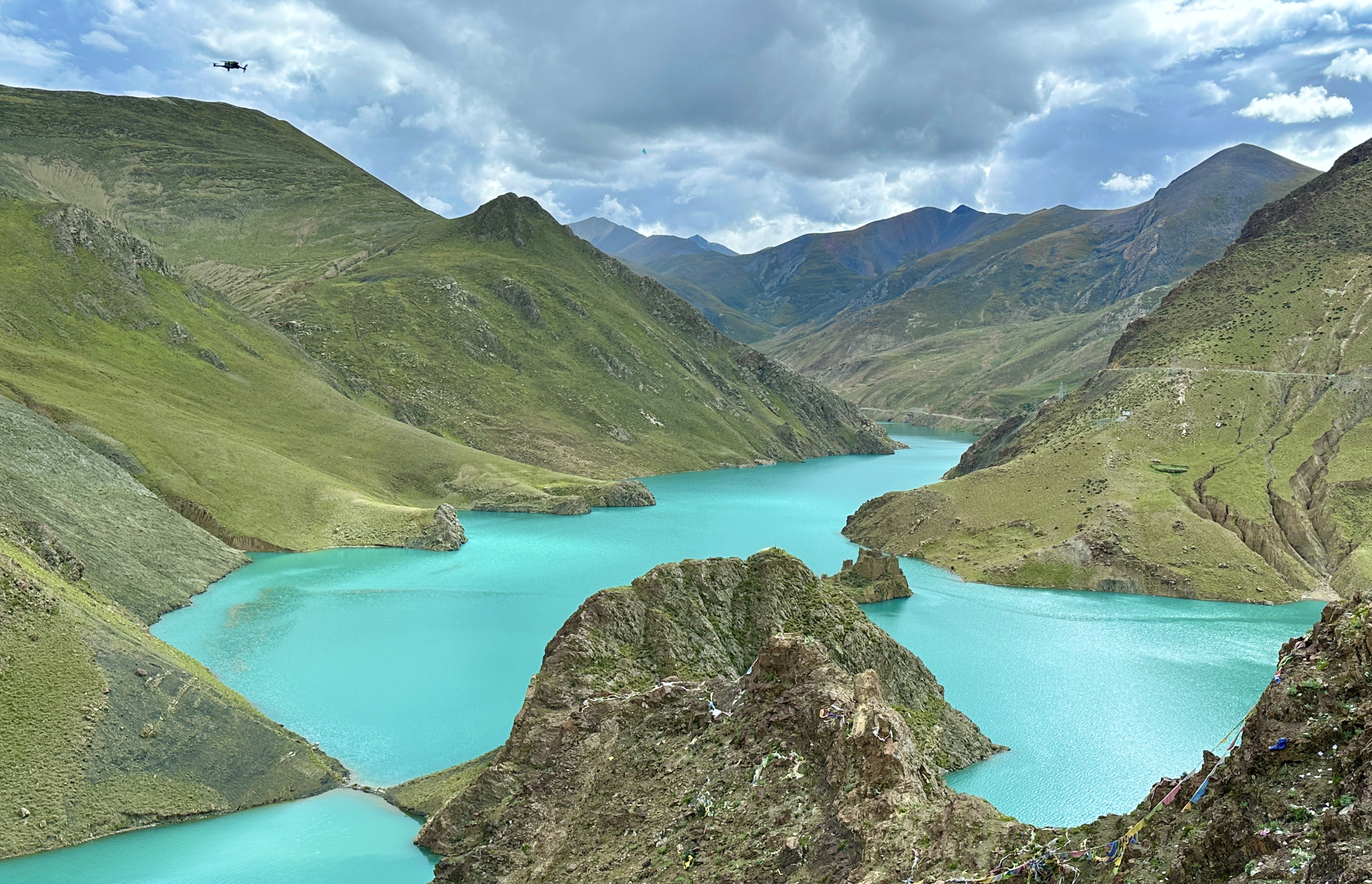
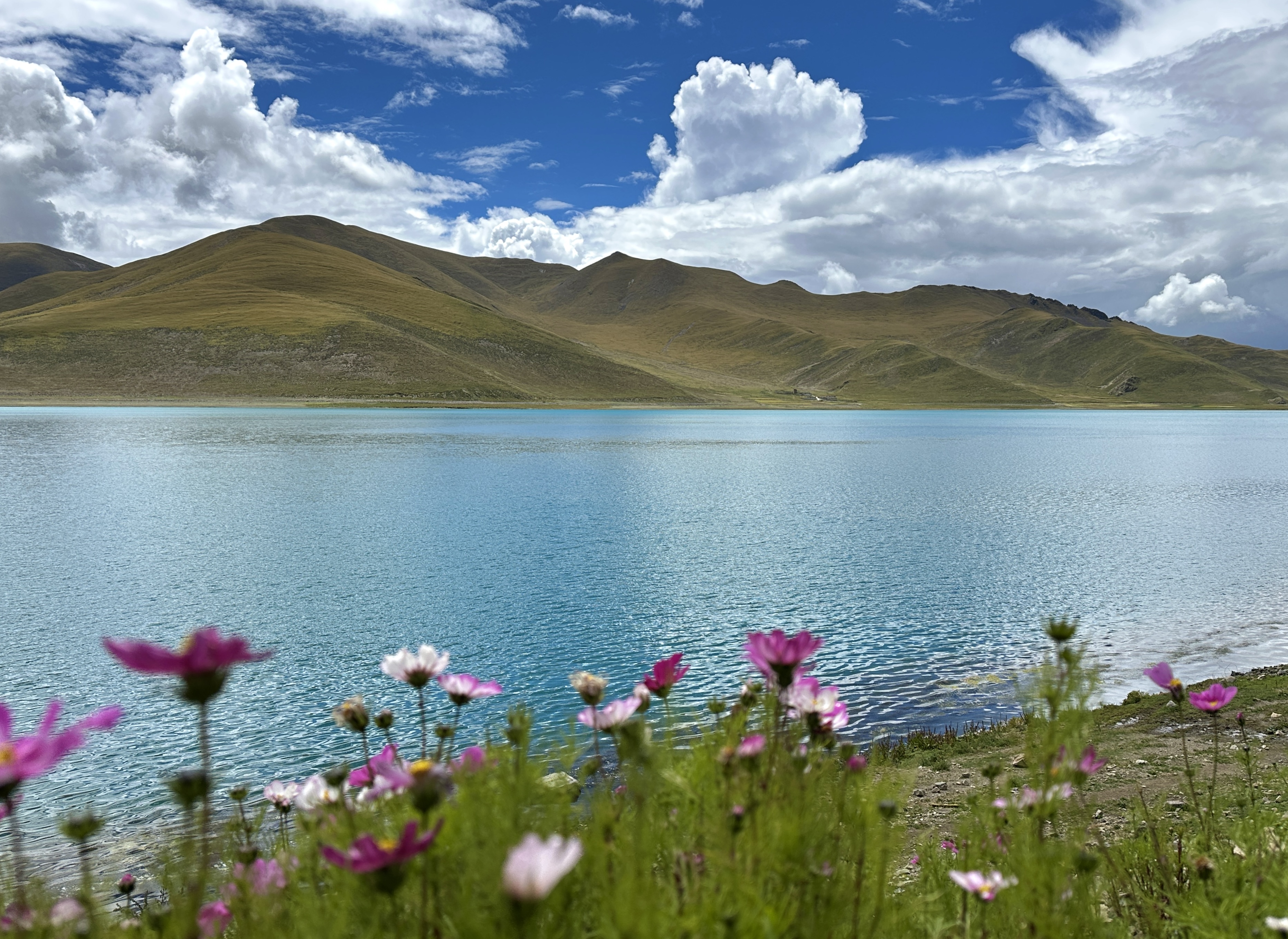
We then drove over the Gampala Pass (4,790 m), where we were first greeted by the unearthly turquoise of Yamdrok-tso (4,400 m). This sacred lake, surrounded by snow-capped mountains, offered spectacular views, including the distant Holy Mount Nyenchen Khangsar (7,191 m). We explored the lakeshore from various viewpoints, eventually having a heartwarming lunch with a local family in a charming village.
The journey continued, bringing us to the roadside spectacle of the Korola Glacier. At an altitude of 5,020 metres, seeing the ice tongue climb the hillside was a stark reminder of nature's magical, colossal power.
Our next brief stop was at the Simila Mountain Pass, which provided a breathtaking view of the Manak Dam Lake. Here, following local tradition, one can hang a colourful prayer flag, praying for world peace and the health of one’s family. Time shortages forced a quick drive through Gyantse before we passed by endless golden Tibetan barley fields en route to Shigatse, Tibet's second-largest city. Arriving in Shigatse, at 3,850 metres, we settled in, preparing for the pinnacle of the trip: Mount Everest.
Day 5: The majesty of Chomolungma
Day five was dedicated to the Himalayas. We left Shigatse early, heading towards Everest Base Camp (EBC). The distance from Shigatse to EBC is approximately 343 kilometres by road.
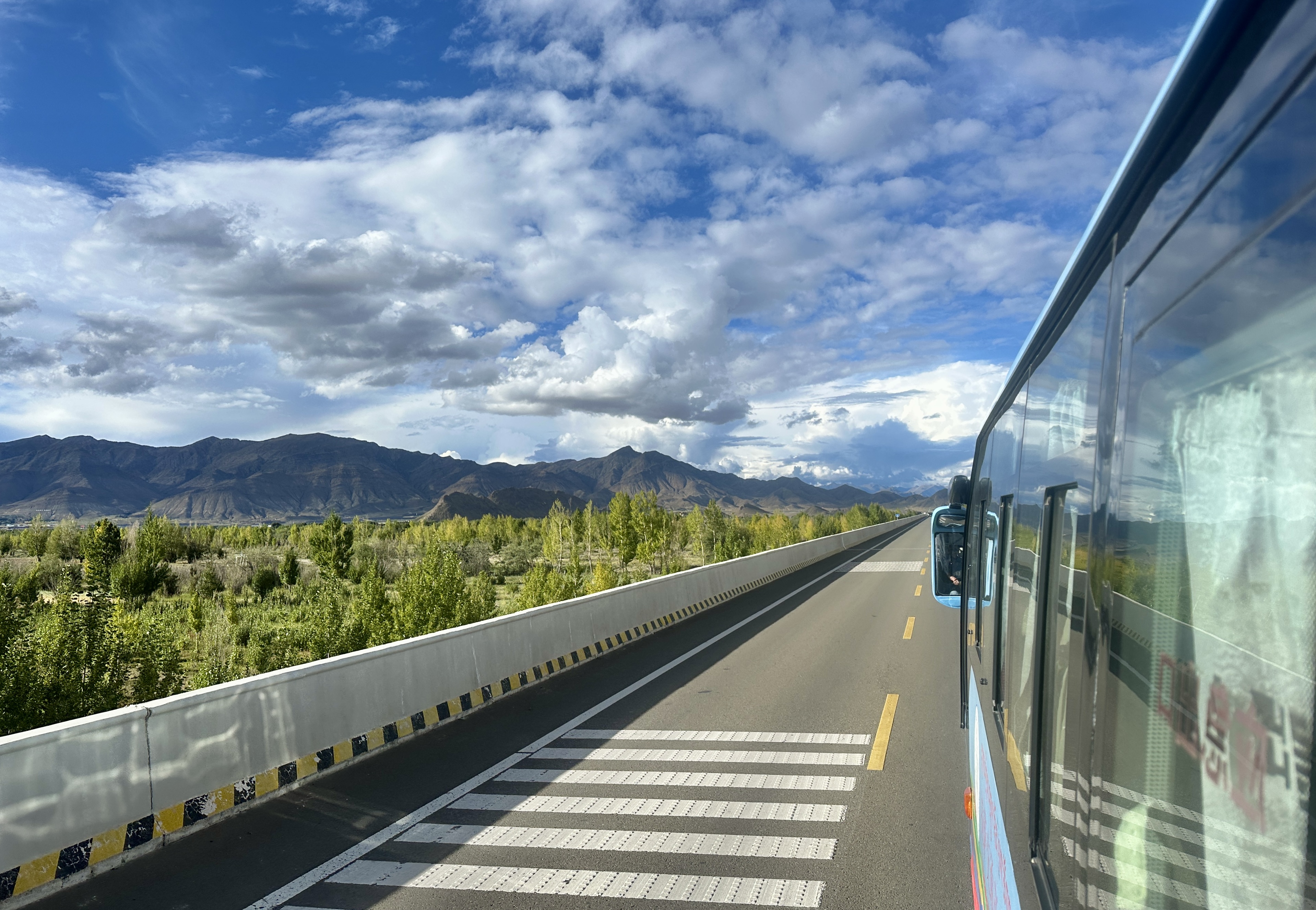
Our first clear glimpse of the world's highest peak came at the Gyatso La Pass (5,280 m), one of the highest points on the famed Friendship Highway. The Friendship Highway, or China-Nepal Highway, connects Lhasa with Kathmandu, serving as the main artery for overland travel across the Tibetan plateau and offering one of the most scenic routes in the world. As our vehicle climbed the circular, winding roads, we paused to admire the engineering marvel of the mountain passes.
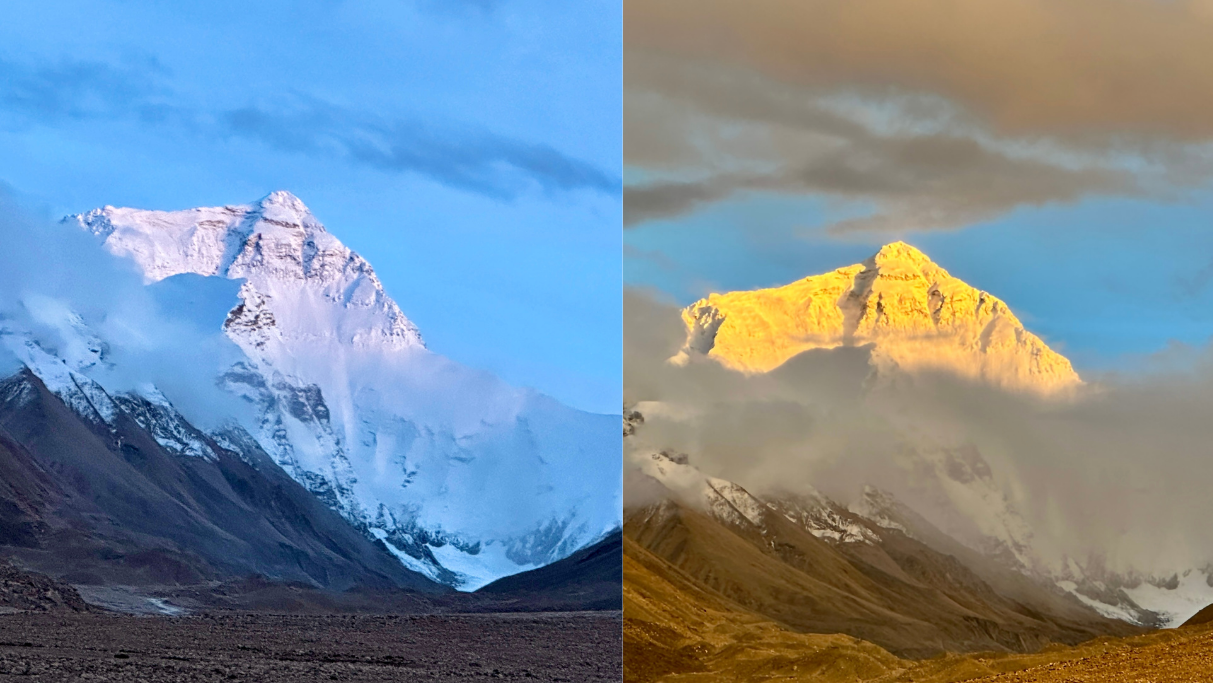
Shortly after, at the Gawula Pass (5,198 m), we entered the Mount Everest National Nature Reserve. This viewpoint is arguably the best, offering a panoramic view and a spectacular lineup of the five highest peaks of the Himalayas, with Everest—Chomolungma—majestic at the forefront. This was the second, and perhaps most impressive, glimpse.
The drive then continued along a new zigzag road to Everest Base Camp (5,000 m).
After a certain point, to preserve the pristine environment, we had to switch from our tour bus to a special green eco-bus. This leg of the journey, covering the distance to EBC, takes about an hour to an hour and a half, protecting the delicate ecosystem of the area from fuel-related environmental damage.
As the base camp drew nearer with each winding turn, the colossal white pyramid of Mount Everest gradually unfolded—the third view. Upon reaching EBC, the mountain was impossibly huge. As the day transitioned to dusk, we witnessed the sun casting a golden, fiery glow on Everest's northern face—the final, most unforgettable view of the day.
Day 6 & 7: Monasteries and the return
The morning at the base camp began with a view of Mount Everest and a visit to Rongbuk Monastery, the world's highest monastery, standing at 5,154 metres where nuns and monks live together.
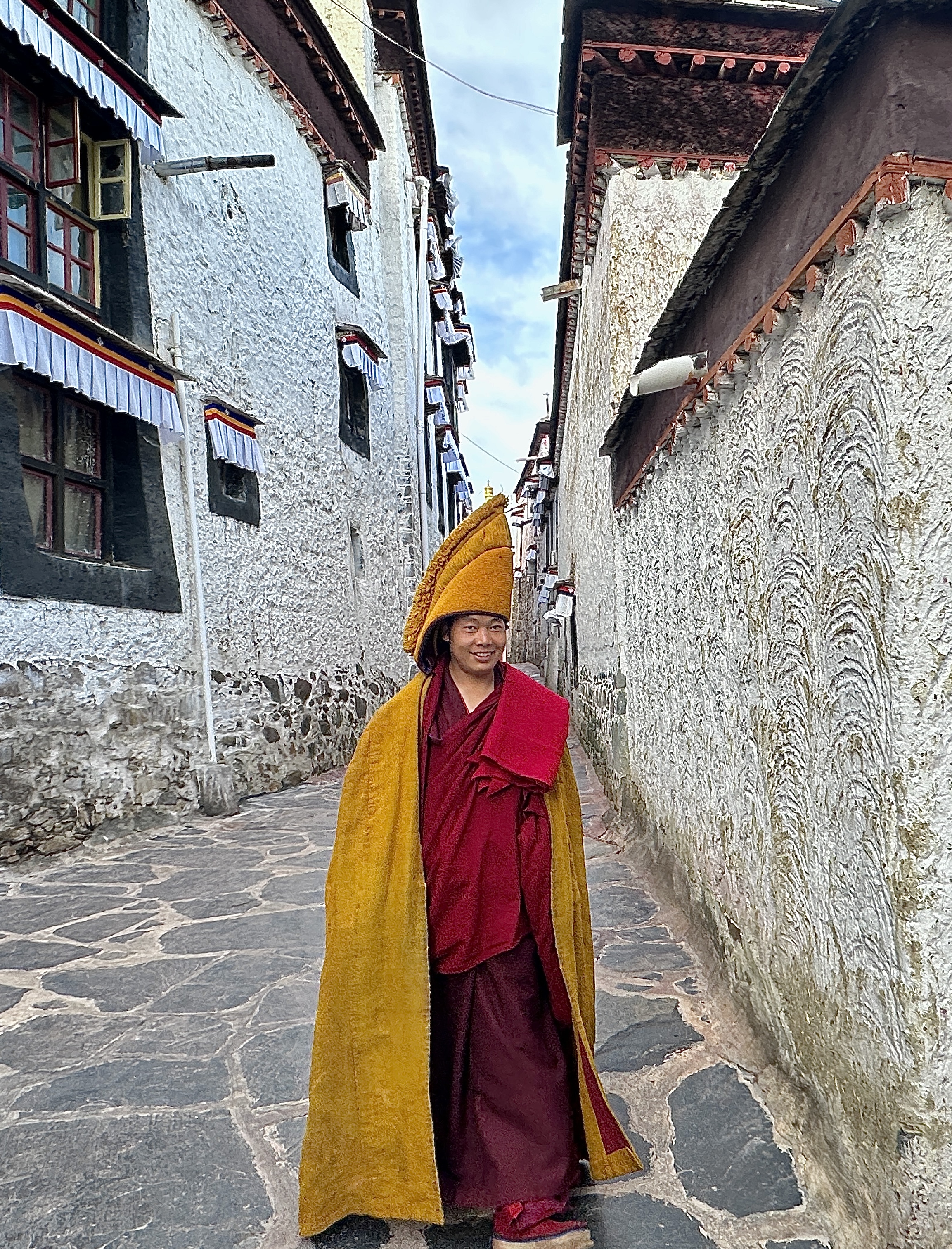
Our return journey to Shigatse included a stop at the city's largest monastery, the magnificent Tashilhunpo Monastery, the traditional seat of the Panchen Lama. Its grand halls, housing the world's largest statue of the Maitreya Buddha, and the sight of monks adorned in yellow hats and red robes, left a deep impression.
The final day brought us back to Lhasa along the beautiful Yarlung Tsangpo River, the ‘mother river’ of the Tibetan people. This time, we took the modern Chinese highway, a comfortable four-hour drive showcasing Chinese development through long, impressive tunnels. Back in Lhasa, I spent my leisure time wandering and shopping for gifts in the lively Barkhor Street, savouring my last hours in the city and enjoying some wonderful kebab in the Muslim street—a delicious reminder of the cultural crossroads Tibet represents.
The next morning, it was an early departure back to Kunming, and then onward to Dhaka, bringing my incredible seven-day journey to a close.
The Best Time to Visit Overall: April, May, September, and October
These shoulder seasons are widely considered the ideal time to visit Tibet for a general tour because they offer the best balance of good weather and clear views:
Weather: The temperatures are pleasant and mild during the day, making sightseeing and travel comfortable.
Clear skies: These months, especially April, May, and October, are typically drier and windier, meaning the sky is clearer. This is crucial for getting the spectacular, unobstructed views of the Himalayas and Mount Everest that is described at the Gawula Pass and EBC.
Crowds: You avoid the peak crowds of the summer holiday season (July and August).
Expenditure
- Flight Ticket (Dhaka, Kunming , Lhasa and back): 80000 BDT
- Tour Operator Fee (Accommodation, guide, all transport, permits, and accidental insurance): 150000 BDT
- Other Personal Expenses (Food, souvenirs, tips, etc.): 20000 BDT
- Total Estimated Expenditure: 250,000 BDT
Shiful Alam is an engineer whose heart belongs to the mountain—a globetrotter who blends high-altitude trekking with cultural exploration and has visited 24 countries and counting.
Send your articles for Slow Reads to slowreads@thedailystar.net. Check out our submission guidelines for details.