A first vote, a quiet hope
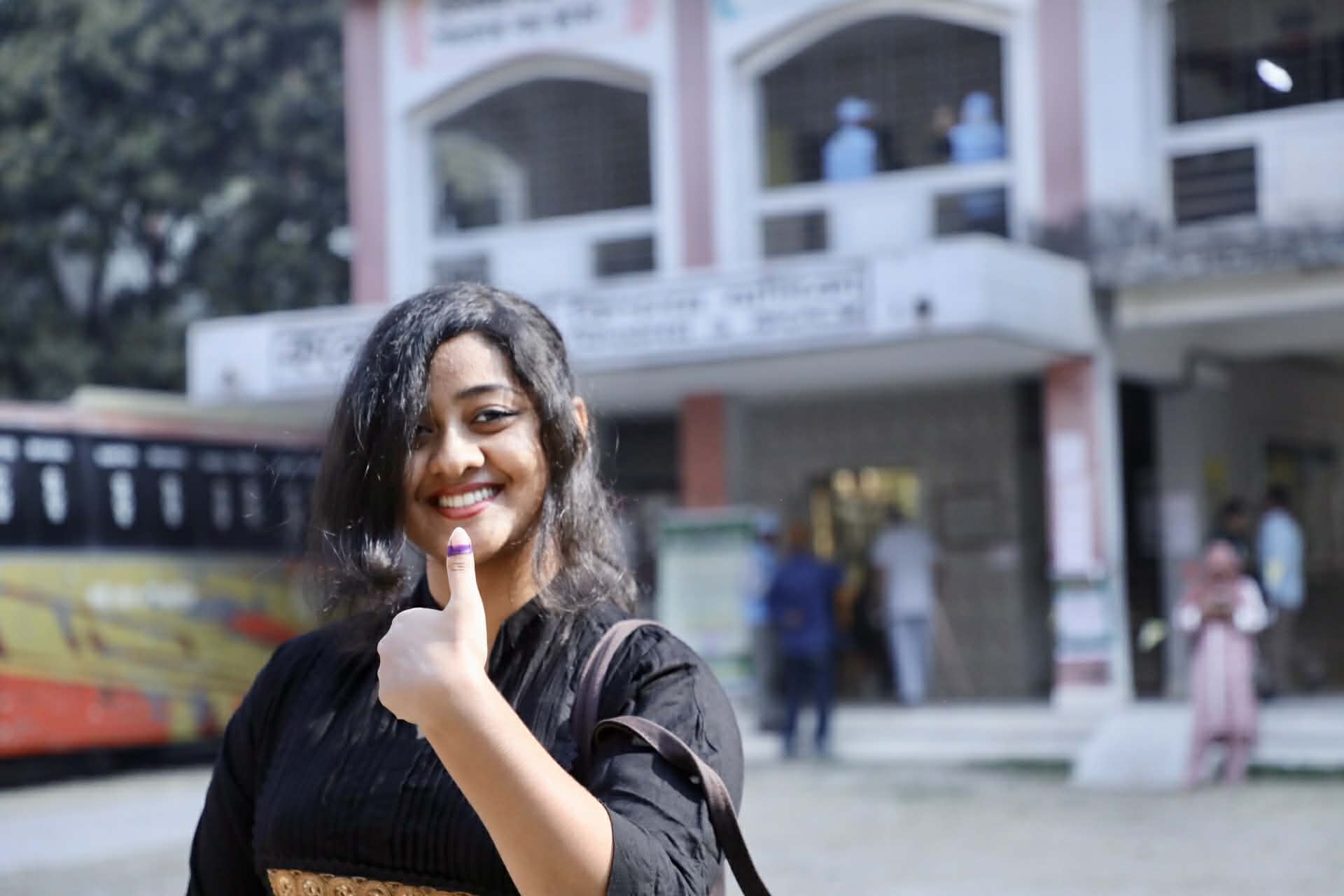
Winter did not loosen its hold on this February. A light chill lingered in the air this morning, the kind that settles into bones. But the sun was out, falling directly on the faces of those who had come to vote. People, the true sovereigns of the country, who have waited years to exercise their right again. There was something gentle in the way people looked at one another. Soft smiles. Warm nods. A quiet sense that this was not an ordinary day. Dust lifted softly from the playing ground as people moved in and out. Some were quiet. Some were smiling.
When I stood in the line, I felt both part of the crowd and separate from it. This was my first vote. Around me were people who have either experienced it before or who were experiencing it for the first time.
Before entering my centre, I walked past a few others nearby. I wanted to see how the day was unfolding. What I saw surprised me. The mood did not feel tense. It felt open. People were talking, greeting one another. There was an atmosphere that felt closer to a community gathering than a tense political event. It felt less like a contest and more like a gathering, almost a festival. A people’s festival.
Many young candidates stood in this election. Many young voters, including myself, stood in line hoping for leadership that feels more accountable and less performative. We want politics that recognises everyday realities, inflation, unemployment, frustration, and aspiration. But Bangladesh’s political landscape has always been complex. It has raised expectations before and disappointed them. If it does so again, the loss will not belong to one party alone. It will belong to the people.
My voting centre was my old school. I had not walked through its gates in years. The same corridors where I once walked through as a student, now as a voter. The classrooms where I once learned about citizenship and rights had now become the place where I practised it. I met people I had not seen in a long time, neighbours, and familiar faces from childhood.
The fear I carried the night before slowly gave way to something lighter. The uncertainty remained, but it no longer felt paralysing. Casting a vote did not feel dramatic. It felt real.
Yet this calm morning followed weeks of noise.
In the days leading up to the election, politics was everywhere. Speeches travelled quickly. Promises were made with confidence. Bold assurance dominated with welfare expansions, adjustments to working hours, administrative restructuring, expedited legal processes. However, some of the rhetoric also revealed tensions, particularly around gender and leadership.
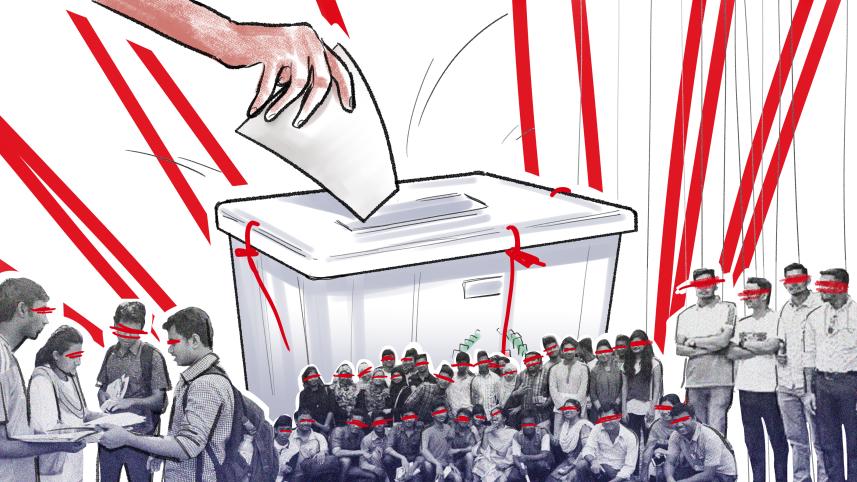
For a first-time voter, the volume of declarations raised an uncomfortable question: which of these were commitments, and which were simply campaign soundbites?
So, I listened to all of it. Some of it sounded generous. Some of it sounded alarming. Much of it sounded certain. But certainty in politics can be loud.
What I began to realise was that I knew the slogans more clearly than I knew the commitments behind them. Speeches dominate attention. They provoke reactions. Manifestos, by contrast, sit quietly. They require patience. They outline what a party is willing to be held accountable for.
Perhaps the dilemma for many young voters is not indifference, but information overload. There is no shortage of political language. What is scarce is clarity.
When I finally stepped inside the booth and marked my ballot, the ink felt heavier than I had imagined. Not because I was fully confident. Not because I believed everything would change overnight. But because I understood that participation carries weight, even when certainty does not.
Casting my first vote felt like pride. It also carried a trace of guilt, the awareness that every choice means rejecting another. It felt like enjoyment, like belonging. Above all, it was my responsibility. It was a mixture of emotions that cannot be reduced to celebration alone.
As I stepped out of the centre, I carried a small, quiet hope. That among those who seek power, we might find someone who cares for the people and for the country before caring for themselves.
Now comes the waiting.
Many young candidates stood in this election. Many young voters, including myself, stood in line hoping for leadership that feels more accountable and less performative. We want politics that recognises everyday realities, inflation, unemployment, frustration, aspiration.
But Bangladesh’s political landscape has always been complex. It has raised expectations before and disappointed them. If it does so again, the loss will not belong to one party alone. It will belong to the people.
The emotion of a first vote is powerful. But beyond the emotion lies a quieter responsibility, to listen carefully, to read beyond the speeches, and to understand the difference between words spoken and commitments written.
Election day carried an air of celebration, but the days ahead will feel more ordinary. Yet the ink remains, and with it, the responsibility, quiet, unavoidable, and entirely ours.
Sinthia Kamal is an undergraduate student of Global Studies and Governance at Independent University, Bangladesh.
Send your articles for Slow Reads to slowreads@thedailystar.net. Check out our submission guidelines for details.

End of reading? A post-literate society in the making
Can I still be the daughter they need?
What death teaches us about life
How to help children fall in love with reading

Why Christopher Nolan's The Odyssey disappoints in its portrayal of women

10,000 steps a day: Health myth or medical fact?
Why Dhaka University should rethink its rules for female students
Inherited Memories / One railwayman's line-box, three eras of history

The strange grief of seeing our parents age