


Is the Venezuela operation part of a US–China power struggle?
The US military operation carried out overnight on Jan. 3 in Venezuela unfolded with striking speed. Within roughly three hours, it was effectively over. President Nicolas Maduro was secured, and the mission concluded without US casualties. More than 150 aircraft moved in coordinated waves. Intelligence from the ground, air and space anticipated Venezuelan military responses before they fully formed. Gen. Dan Caine, the chair of the Joint Chiefs of Staff, later described the mission as a well-oiled machine that could have failed had even a single element gone wrong.
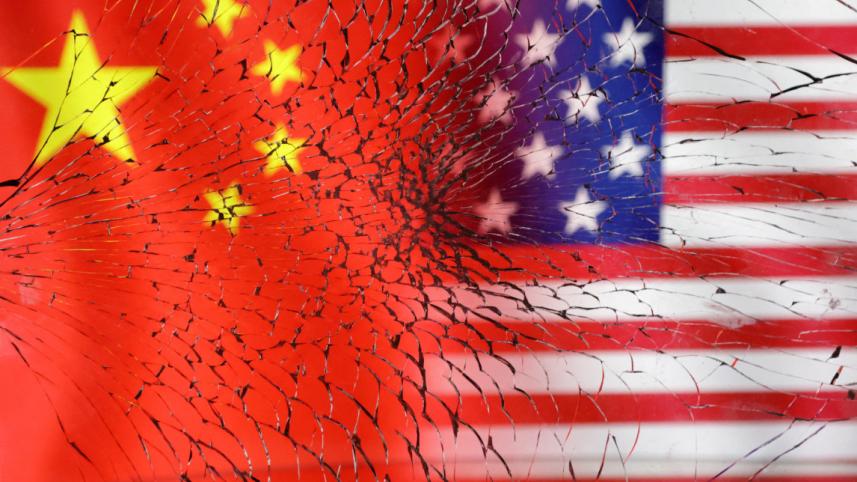
The official justification was straightforward: The stated goal was to detain Maduro on allegations of drug trafficking into the United States, allegedly facilitated through cooperation with China. Almost immediately, analysts offered a different explanation. The fundamental objective, they argued, was oil, specifically Washington's effort to reclaim influence over Venezuela's vast reserves from China. The operation's extreme precision reinforced a third interpretation. It was also a demonstration of American technological power, underscoring the role of artificial intelligence and advanced semiconductors in modern warfare and, by extension, in strategic competition with Beijing. Together, these explanations placed the US-China rivalry squarely at center stage.

Yet they miss a deeper and more consequential layer of that rivalry, one that helps explain why Washington chose to act in Venezuela at this moment.

Strategic actions by great powers are rarely single-purpose. Beneath the surface motives lies a structural concern that has increasingly preoccupied Washington: the durability of dollar dominance in a world where China is testing its limits.
For decades, the Middle East has been central to this system. The United States and China are now competing not only for influence over oil supply but also over the settlement architecture that surrounds it. The dollar's global power rests in large part on its role as the medium of settlement for energy trade. For much of the postwar period, Saudi Arabia and the Gulf states anchored this arrangement. The US-Saudi security relationship functioned not only as a military alliance, but also as a monetary infrastructure, reinforcing dollar-based oil trade worth trillions of dollars each year.
That arrangement is under growing strain. China is now the world's largest marginal buyer of oil, importing more than 10 million barrels a day, and has become a central trading partner for Gulf producers. Beijing has not sought a sudden break with the dollar. Instead, it has pressed for flexibility by encouraging limited yuan-denominated energy transactions and promoting discussions within the BRICS grouping about alternative settlement arrangements using the yuan.
This dynamic leaves the United States in a delicate position in the Middle East. Washington continues to provide security. China increasingly provides demand. Saudi Arabia, the de facto anchor of OPEC, has little incentive to choose decisively between them. Hedging is rational.
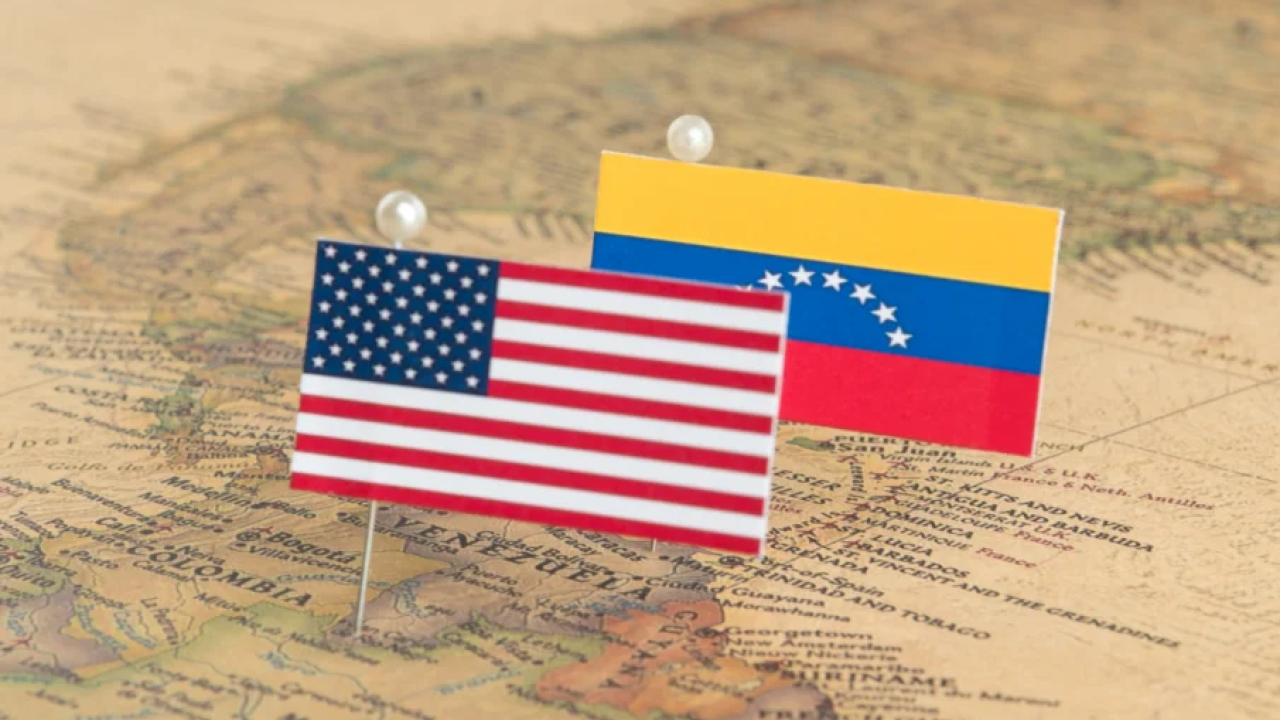
Venezuela sits at the edge of this system. It is an oil producer outside OPEC discipline, aligned with China and other alternative blocs, yet located firmly within America's historic strategic perimeter. By reasserting influence over Venezuela, the United States gains leverage over global oil supply, reducing OPEC's ability and Saudi Arabia's central role within it to shape prices independently.
The operation in Venezuela was therefore about more than drugs, oil, or technological prowess. It was a reminder that the most consequential contest between Washington and Beijing is not only over chips and algorithms, but also over the monetary and energy systems that still set the rules of the global economy. The chip war dominates headlines because it is visible and measurable. The struggle over the dollar unfolds quietly through oil contracts, reserve choices and security guarantees. Venezuela matters because it sits where these systems intersect, at the front line of a rivalry that is ultimately about currency, energy and power.
Sung Soo Eric Kim is an adjunct professor at Yonsei University and a Distinguished Guest Associate Professor at Keio University. The article was first published in The Korea Herald on January 8, 2026. The original title of the article was US-China War Behind Venezuelan Operation.
Send your articles for Slow Reads to slowreads@thedailystar.net. Check out our submission guidelines for details.
 For all latest news, follow The Daily Star's Google News channel.
Comments