


Yearning for the Past
If you're a gaming aficionado, you're probably already well-acquainted with the remastering trend that's been going on for the past 2 years. What caused this trend to emerge though? Was it the players? Or are the developers scared to create new IPs?
The answer to that one is not clear cut. See, a lot of gamers want new stuff regarding stories, gameplay mechanics, level design, and whatnot; it's understandable as prolonged exposure to similar experiences in any form of media causes people to grow tired of them. Then, again, these are the same people who will bash on their keyboards in a fit of rage, ranting about why the developer decided to "fix what is not broken". In an attempt to merge the old with the new, many developers thought of bringing back successful games of the past to newer consoles to cash in on the nostalgia factor, all while brilliantly dancing around the accusation of recycling content by using words such as "revamped", "improved", "remastered".

That is not to say the bringing of our dear old games back to current platforms is a bad thing. There are a lot of people who might not have had a chance to experience a title back when it was launched. For them, it is an excellent opportunity to see what all the fuss was about without dealing with dated graphics or gameplay mechanics. I, for one, never had a PS3. So when the Uncharted trilogy on the PS3 was remastered for the PS4, I felt ecstatic about finally getting to experience one of the most iconic franchises of the industry.
On the other hand, we have to note that a lot of developers simply want to make a quick cash grab by basically cranking up the settings and releasing them on the new consoles. Darksiders II, and Metro Redux are prime examples of this.
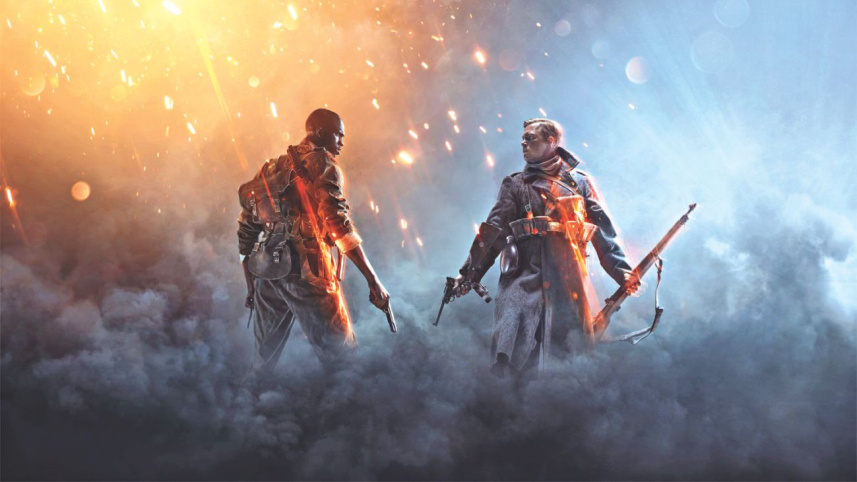
Let's shift the focal point away from the remasters to Battlefield 1. When DICE first announced this game, people were really excited as they were clamouring for a return to the World Wars as settings for newer FPS titles. DICE were clever enough to capitalise on this hype and in the process, they've generated a lot of buzz about their upcoming title. Compare this to Call of Duty: Infinite Warfare- the game with the most dislikes on its trailer ever. This is what happens when you continue to serve your consumers the same product with no significant changes. The numerous dumbing-down of features to accommodate a broader audience didn't help either. However if we go back a few years, we will find that a lot of gamers hated Call of Duty: World at War – the last game in the series to be set in World War 2.
Battlefield Hardline is an example on the opposite end of the spectrum. A homogenised modern setting coupled with simplified game design combined to make a game that does not represent the core values of the series at all. This game might have been the one that made DICE go back to the drawing board and rethink what they should do next.
These constant paradigm shifts in the world of gaming beckons the question: "What do gamers actually want?" At the end of the day, gamers are consumers and consumers want products specifically targeted to their niche. A well-thought-out, clear message catered to a specifically segmented target group will generate more hype and will leave more people pleased with their purchase. A haphazard message which is aimed at all, will garner more negative reactions as gamers will feel their opinion is being discarded. No one wants to feel that way.
So it isn't a case of yearning for the lost, forgotten trends in gaming. It's about actually creating new experiences while mixing in familiar elements of games that people loved back in the day.
Shahrukh Ikhtear is a gamer who doesn't rage. A writer who doesn't read. A musician without a teacher. Full time procrastinator. You can reach him on Facebook: fb.com/sr.ikhtear and email: shahrukh.ikhtear@yahoo.com
 For all latest news, follow The Daily Star's Google News channel.
Comments