


Meta’s unforgivable inaction
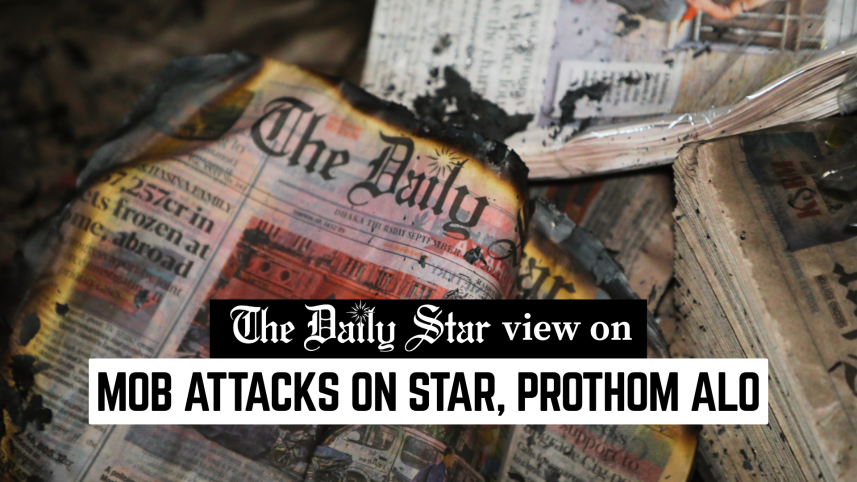
The stark revelation that the grievous attacks on The Daily Star and Prothom Alo as well as two cultural institutions, Chhayanaut and Udichi, were fuelled by false narratives circulating on social media for days in plain sight of both the interim government and Meta, the owner of Facebook, is shocking and unacceptable. A joint study by The Daily Star and Dismislab, which analysed 3,064 Facebook posts published between December 13 and 19, found a clear link between online incitement and the violence directed at the media and cultural institutions.

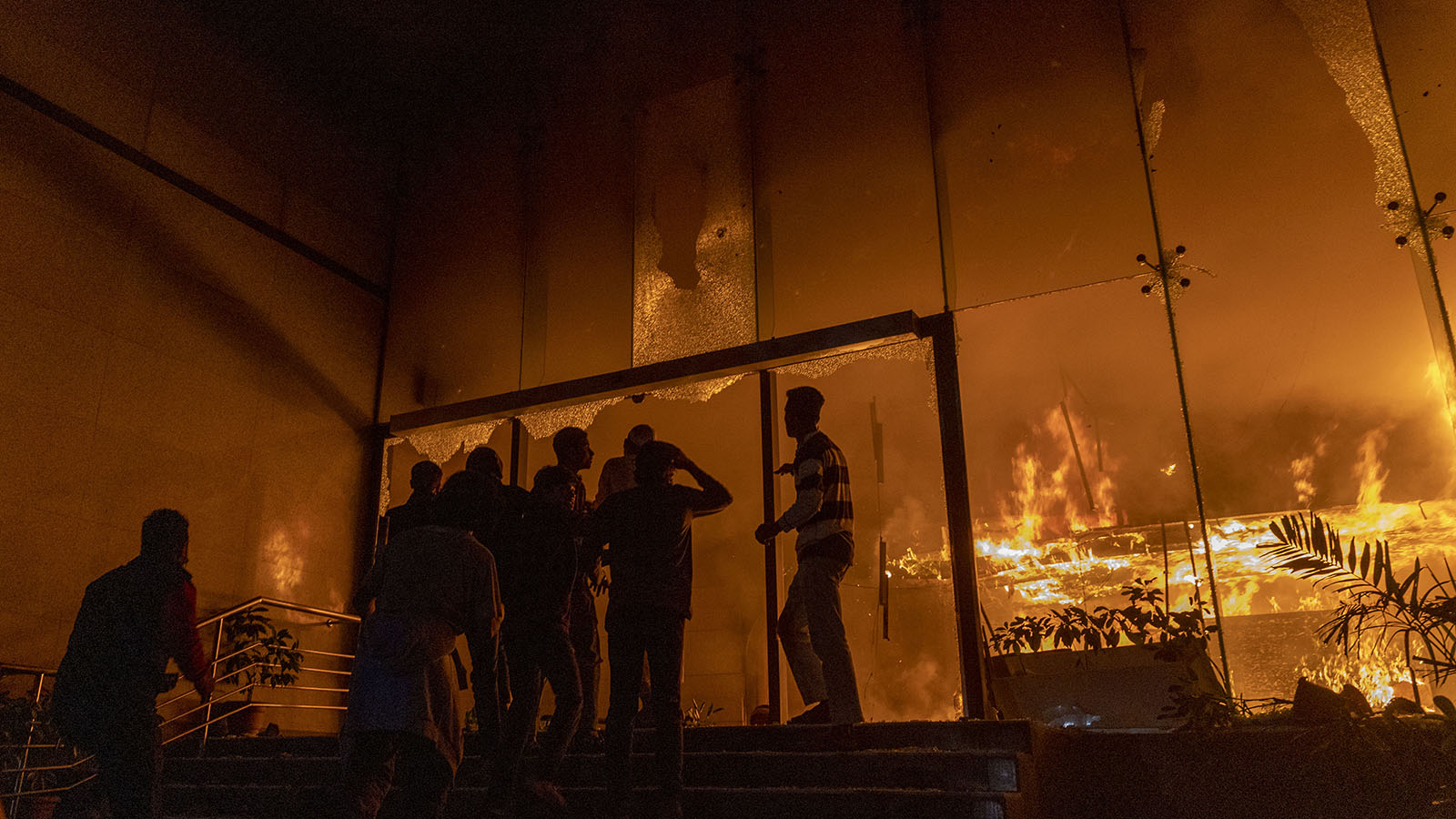
The evidence indicates that neither law enforcement agencies nor Meta acted in time to halt the spread of some of the most virulent hate speech and inciting content—material that remained visible for hours and days and even included live-streamed acts of violence accompanied by calls for others to join. The night-long attacks, along with calls for further violence that persisted even afterwards, exposed glaring weaknesses in Meta’s monitoring and response systems in detecting and removing content posing imminent threats to life and property.
Even more troubling is the claim by the Bangladesh Telecommunications Regulatory Commission (BTRC) that its repeated requests to deactivate accounts inciting and mobilising violence did not receive timely responses. According to the BTRC, it reported 165 pieces of content to Facebook between midnight on December 18 and the evening of December 19, requesting their removal in the interest of public safety.
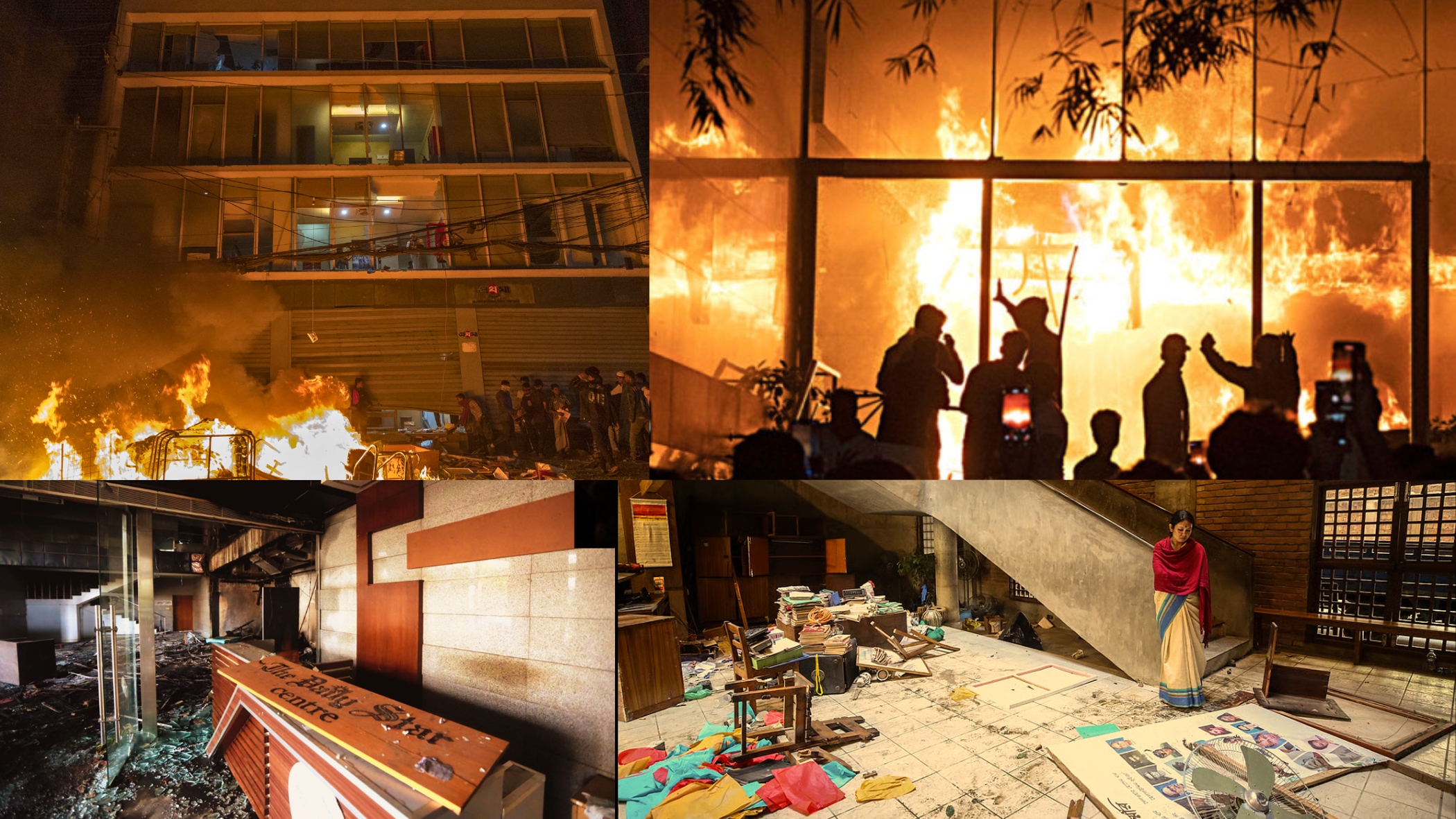
This episode represents a glaring failure by Meta to enforce its own policies on violence and incitement as outlined in its Community Standards. As a result, some self-styled influencers, including those operating from thousands of miles away, have been able to exploit social media platforms, particularly Facebook, to disseminate misinformation, propagate hate-filled narratives, organise mobs and direct violence against independent media and liberal voices and institutions. Their incitement led to arson attacks on the media houses, destruction of valuable documents, and attempts to burn alive 29 journalists and employees at The Daily Star. Meta and other social media companies must take responsibility for the misuse of their platforms and be held accountable for failing to enforce their own standards.
Recent legal proceedings against Meta and its CEO in the United States and several Western countries for failing to curb online harm are developments that our government should closely follow. These cases may offer pathways to holding big technology companies accountable and ensuring public safety. We also express deep indignation at the failure of the interim government led by Muhammad Yunus to prevent these attacks.
Following the attacks, a Facebook post by the then press secretary to the chief adviser even acknowledged the state’s failure to act but did not explain what prevented a timely and proper response. Was there negligence within the interim administration? Why did it fail even to issue a clear condemnation of the attacks? It is deeply regrettable that a government born out of an uprising against autocracy now bears a lasting stain on its record for failing to prevent one of the most serious attacks on institutions rooted in independent journalism in Bangladesh.
 For all latest news, follow The Daily Star's Google News channel.
Comments