


Mansur’s abrupt dismissal is shocking

We are concerned by the unceremonious manner in which the former governor of Bangladesh Bank (BB), Dr Ahsan H Mansur, was dismissed and replaced by a person with questionable qualifications. The noted economist, whose reformist policies helped stabilise the economy in the aftermath of Sheikh Hasina’s ouster in August 2024, left office after learning of his replacement through the media, while a section of his colleagues held a demonstration calling for his resignation. Roughly two hours later, the ministry issued two notices: one cancelling Mansur’s four-year contract, due to end in August 2028, and the other appointing the new governor, Mostaqur Rahman, a businessman with an accounting background.
The way this episode unfolded goes against the norms and etiquette of a rules-based democracy and raises troubling questions. Why did the government feel that the governor had to be removed? Mansur took charge when the country faced a volatile currency and severely depleted foreign exchange reserves. The banking sector was in disarray, with several banks on the brink of a run. He stabilised the currency by shifting to a more market-based exchange rate, and his strict monetary policy brought double-digit inflation down to single digits, though still relatively high compared to Bangladesh’s neighbours. To the chagrin of many in the business community and among his colleagues, he dismantled weak banks and strengthened the central bank’s supervisory role, improving governance and discipline across the sector.

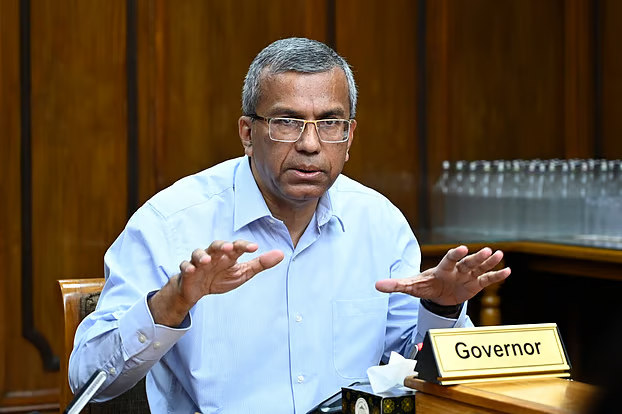
For a government that came to power with a large mandate to boost the economy and strengthen the financial system, Mansur’s actions should have been welcomed. A prudent administration would have reinforced such leadership. Instead, the newly formed BNP government allowed “mob” behaviour in one of the country’s most vital institutions and stood by as the very person credited with preventing a deeper financial crisis was publicly undermined.
More troubling still is the choice of successor. The government has picked the owner of a company that recently fallen behind on repayment instalments for a Tk 89 crore loan and subsequently received a restructuring facility. This comes at a time when defaulted loans account for 36 percent of total disbursed loans in the country, according to BB data from September 2025. The new governor is also affiliated with several business bodies. How can the finance ministry fail to recognise that there is a potential conflict of interest here?
In Bangladesh’s history, this is the first time a businessperson has been appointed governor of the central bank. Such appointments are rare even globally. It remains to be seen how he will handle the responsibility of controlling inflation, ensuring financial stability, and curbing banking sector irregularities. With Mansur at the helm, we had hoped for a more independent central bank operating beyond the finance ministry’s direct intervention. After this sudden appointment—involving a figure linked to BNP’s election steering committee only recently—the prospect of greater autonomy under proposed amendments to the Bangladesh Bank Order appears uncertain.
 For all latest news, follow The Daily Star's Google News channel.
Comments