


BNP’s landslide victory marks a turning point in politics
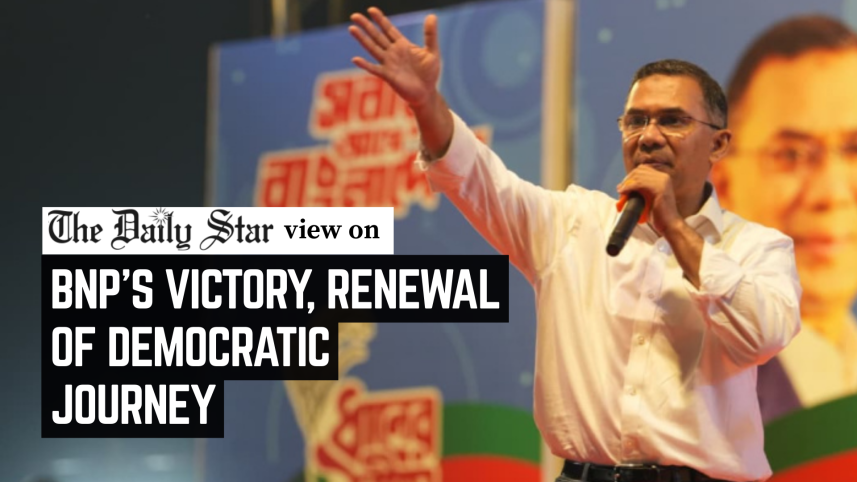
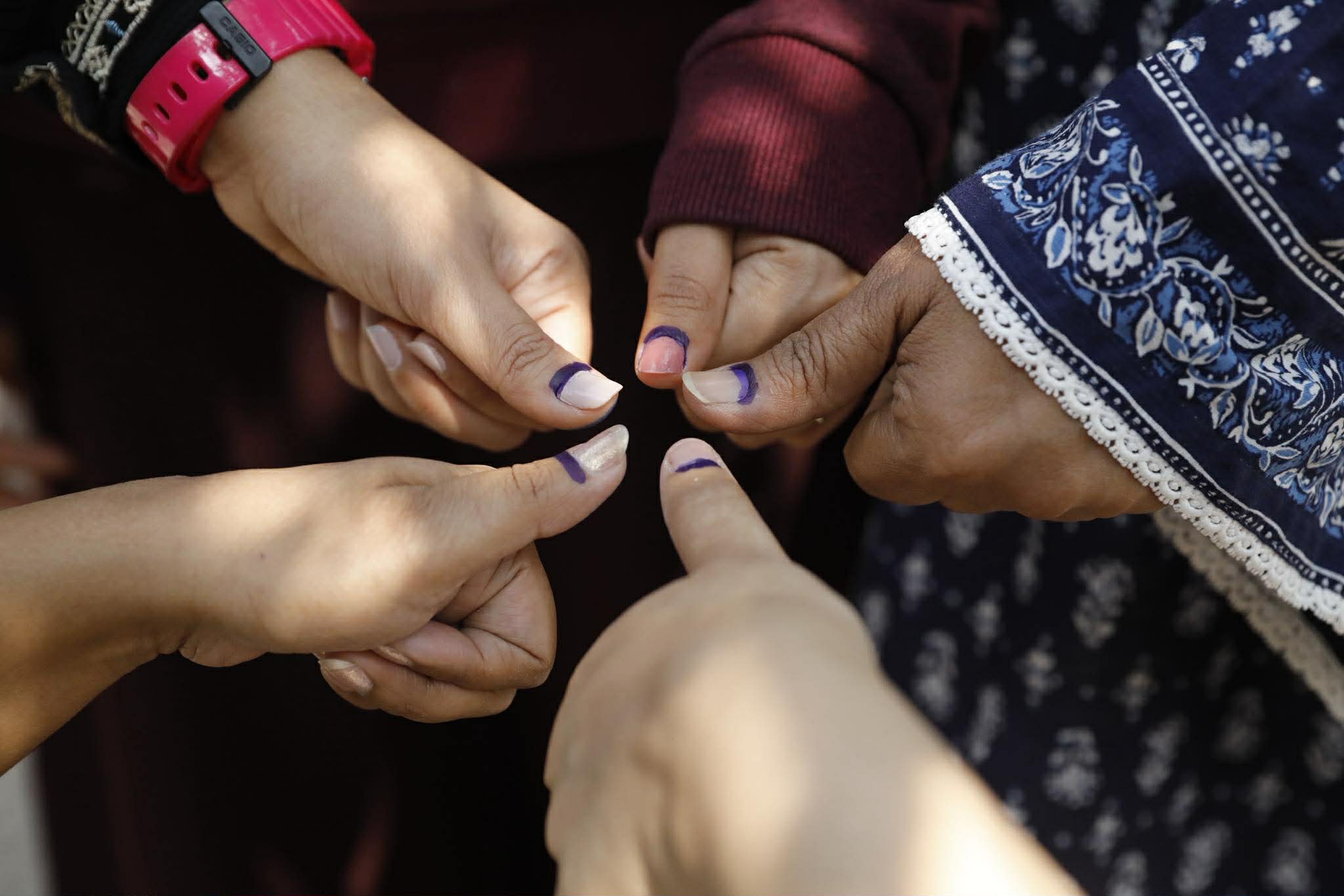
We congratulate the people of Bangladesh for demonstrating the nation’s admirable capacity to restore trust in democracy through a peaceful and largely participatory election. We also commend the collective resolve to transform months of public protest into tangible political reform and long-term stability. The electorate has delivered a decisive mandate to the Bangladesh Nationalist Party (BNP) and its leader, Tarique Rahman, who, after enduring years of persecution and exile, now carries the responsibility of steering the country towards inclusive prosperity while rekindling hope and energy among the youth.

We also congratulate Tarique Rahman for earning the trust of millions with his pledge to build a government that is accountable to the people and responsive to all citizens, including critics. Despite nearly two decades in exile in London, he demonstrated resilience in keeping his party united following the incarceration of his mother, former Prime Minister Khaleda Zia. He revitalised the BNP by promoting younger leaders, reorganising grassroots networks, and sustaining party morale amid intense pressure from the then-ruling Awami League under Sheikh Hasina.
He extended support to the student-led anti-quota movement and, following Hasina’s fall, backed the formation of an interim administration led by Nobel laureate Muhammad Yunus. While pressing for a time-bound reform agenda and election within 2025, he ultimately agreed to the February timeline proposed by Professor Yunus.
His return on December 25, 2025, after 17 years in exile, removed lingering doubts about the BNP’s commitment to participating in the February 12 elections. As one may recall, more than a million supporters gathered in Purbachal to welcome him home. Just days later, the passing of Khaleda Zia drew over two million mourners who gathered to bid farewell to her. These outpourings of support and sympathy for the Zia family reflected the enduring legacy of BNP’s founder, former President Ziaur Rahman, and signalled the party’s deep-rooted public support.
The BNP’s electoral success may also reflect its prior experience in government—experience unmatched by other major contenders in this election. While many senior leaders with such experience may not serve long in demanding ministerial roles, Tarique Rahman’s extended stay in the United Kingdom afforded him the opportunity to observe the workings of Westminster-style parliamentary democracy firsthand. His endorsement of the July National Charter for constitutional and democratic reforms, and his call for a “yes” vote in the referendum, suggest a commitment to institutional reform and more inclusive governance.
By Bangladesh’s historical standards, a voter turnout approaching 60 percent underscores the strength of the democratic mandate. Claims questioning the inclusiveness of the election therefore lack credible foundation. The absence of the Awami League in this election was largely due to its failure to own up to past crimes, seek forgiveness for such aberrations, and pursue internal reform. The turnout of over 40 percent in its traditional stronghold constituencies also shows that its supporters have largely deserted them by now.
We also commend the democratic spirit displayed by Bangladesh Jamaat-e-Islami, the second-largest seat winner, in conceding defeat. Under the leadership of Dr Shafiqur Rahman, the party ran an energetic and strategically effective campaign, including forging an alliance with the National Citizen Party (NCP), which emerged from the anti-authoritarian uprising of 2024. This partnership may have broadened its appeal and softened longstanding concerns about aspects of its ideological rhetoric. Voters now expect Jamaat-e-Islami to serve as a constructive and responsible opposition, holding the incoming government accountable through parliamentary processes rather than resorting to destabilising street agitation as some opposition parties did in the past.
Recognising the immense logistical challenge of organising voting for 12.77 crore citizens—many casting ballots for the first time—we applaud the Election Commission for maintaining order and neutrality throughout the process. However, its response to the widespread misuse of Artificial Intelligence (AI) and disinformation on social media was insufficient. Strengthening institutional capacity to address digital threats will be essential to safeguarding future electoral integrity, including in upcoming elections of local government bodies as well as parliamentary by-elections.

The professionalism of the armed forces, led by General Waker-Uz-Zaman, and the police in ensuring a peaceful campaign and voting process is also commendable. Their vigilance and timely interventions prevented isolated incidents from escalating. With the transition to an elected government now underway, we hope their role in supporting civilian authorities concludes with pride and dignity.
Finally, we wish for a smooth and seamless transfer of power. The nation looks forward to the new government under Tarique Rahman focusing on the urgent tasks of governance, reform, and national renewal—aspirations long held by the people of Bangladesh. We also hope that the new ruling party would keep in mind the extra burden of having super majority in parliament that, as we know from experience, may very well cause arrogance and democratic backsliding.
 For all latest news, follow The Daily Star's Google News channel.
Comments