

Princess’s journey and the promise of skilled migration
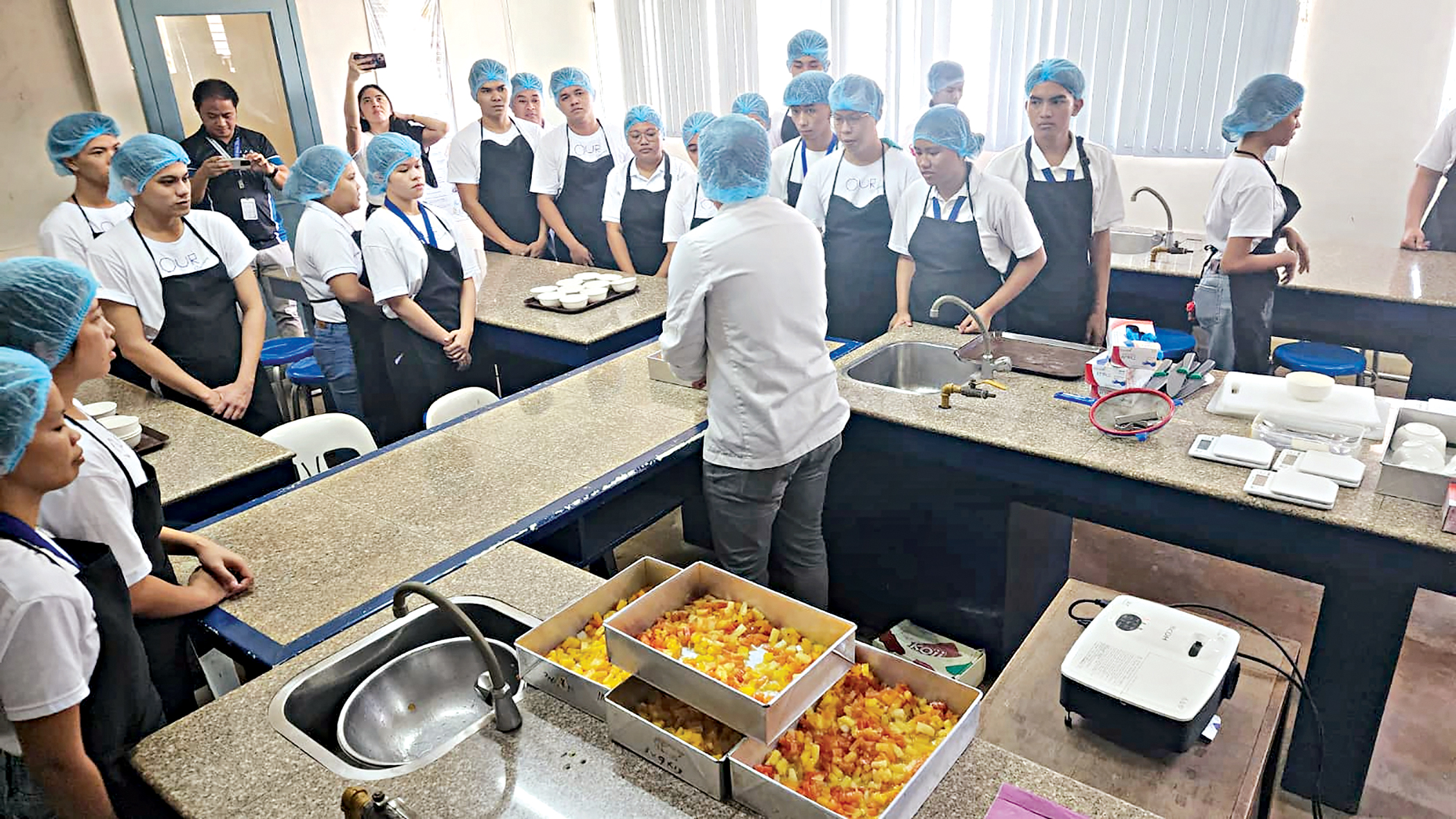
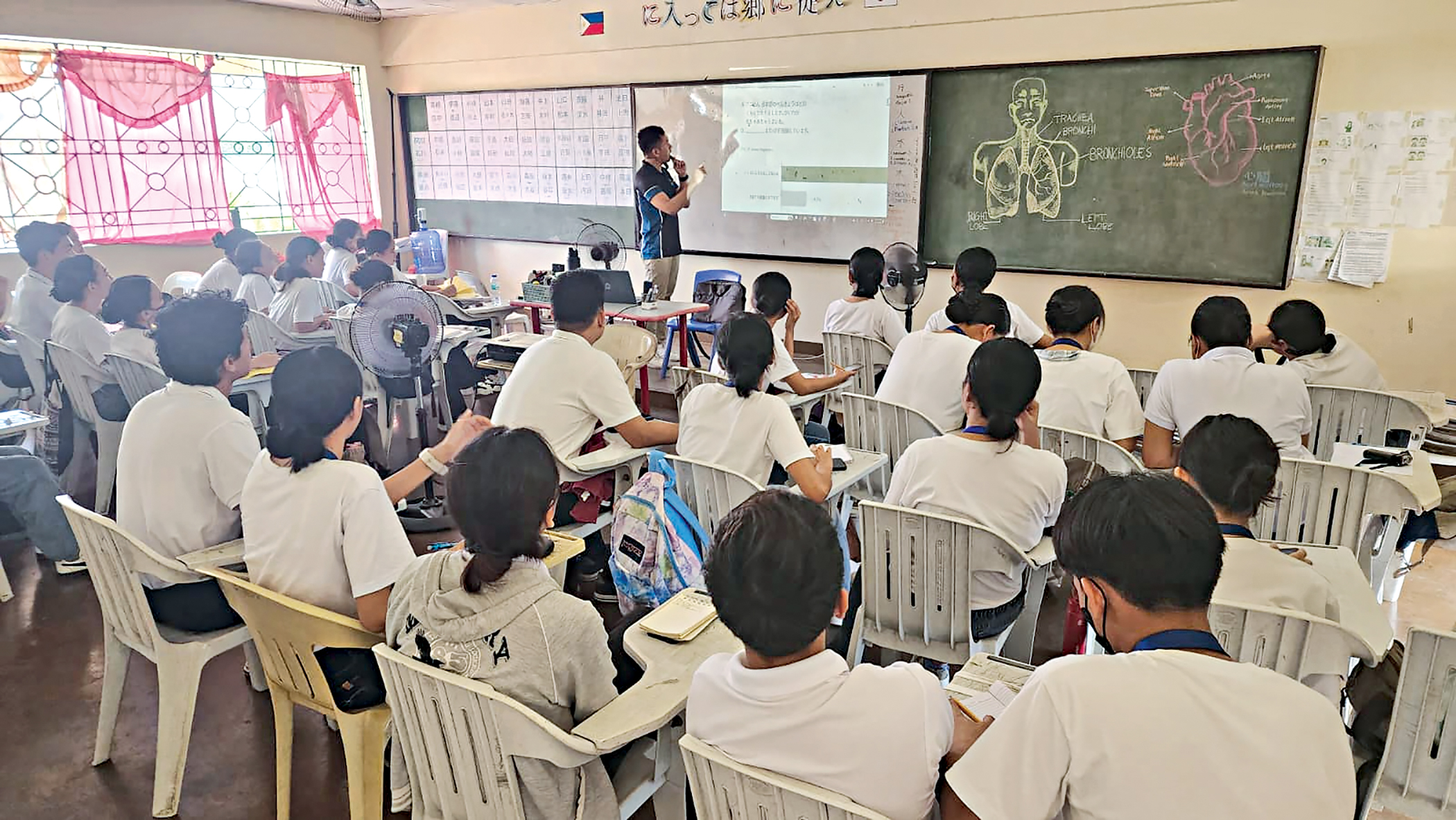
When I first met Princess, she was sitting cross-legged on the floor of a tiny concrete room in Davao City on Mindanao island in southern Philippines, her notebook open to a page covered in neat rows of Japanese hiragana. The room was very crowded, with a third of the space taken up by a bunk bed with two single mattresses for her mother, stepfather, baby sister, and her to squeeze into. The one luxury was a small air-conditioner. Princess’ mother explained that they prioritised the AC purchase to make the room cool and comfortable for Princess, so that she could focus on her Japanese studies. In fact, the neighbour’s daughter was also drawn to this tiny comfort and on most days came in to study together with Princess. Like Princess, she too was enrolled in the Japanese language, culture, and vocational training program run by my partner Onodera User Run (OUR), a subsidiary of a large Japanese food service and restaurant conglomerate that has recently entered the migrant labour intermediary business in response to the strong demand for young workers in Japan. Both girls were preparing for their Japanese language proficiency exams, the final hurdle before they could qualify for a work visa that would take them to Japan for jobs in nursing homes and restaurants.
For Princess, now 20, that dream is nearly within reach. After six months of language and vocational training at a local academy, she passed her employer interview – conducted entirely in Japanese over Zoom – and received her visa. Reaching this stage required a significant amount of sacrifice from her entire family. Her mother had decided to leave the comforts of their more spacious home in rural Mindanao to come to this tiny apartment in Davao city so that her daughter could attend classes at the OUR Training Academy—a private training institute licensed in the Philippines to provide skills training, and licensed in Japan to connect young Filipinos to long-term, legally protected jobs in Japan. Princess’ stepfather installs and fixes appliances, and his client base remains in their hometown in rural Mindanao. He was commuting back and forth to Davao to support her learning, because they believed what so many families across South and Southeast Asia believe: that access to the labour market in a high-income country, if earned safely and skillfully, can transform not just one life but an entire family’s future. When I asked the step-father why he was willing to make such a big sacrifice, he explained that it was his dream to work in Japan when he was younger, but he never made it due to the strict language and visa barriers. Princess is now living out his dream, and if she continues working hard, one day the whole family might be able to move to Japan.
A mirror for Bangladesh
Princess’ story is not unique, but it is instructive—especially for countries like Bangladesh. Across South and Southeast Asia, millions of young people face the same dilemma: they are willing to work, eager to learn, and yet locked out of decent employment opportunities at home. In Bangladesh, more than one in four young people remain unemployed despite years of education. The energy that fueled last year’s July Uprising—a powerful demand by youth for dignity and opportunity—was born from this same frustration.
As Bangladesh approaches a change in government through a free and fair election that was born out of that movement, one question looms large: how can the country turn that collective energy into lasting, productive change? One promising answer lies in expanding skilled international migration—a strategy that can open new doors for youth while meeting the needs of ageing societies like Japan and South Korea.
The new geography of work
Japan’s population is ageing faster than almost any other in the world. By 2040, it will need an additional 5 million foreign workers just to maintain modest economic growth. South Korea’s labour shortage is similarly severe; it has already tripled its migrant worker quota to 150,000 for 2024. Across Asia’s wealthier nations, employers are struggling to fill jobs in caregiving, hospitality, and food service—sectors that sustain both economies and communities.
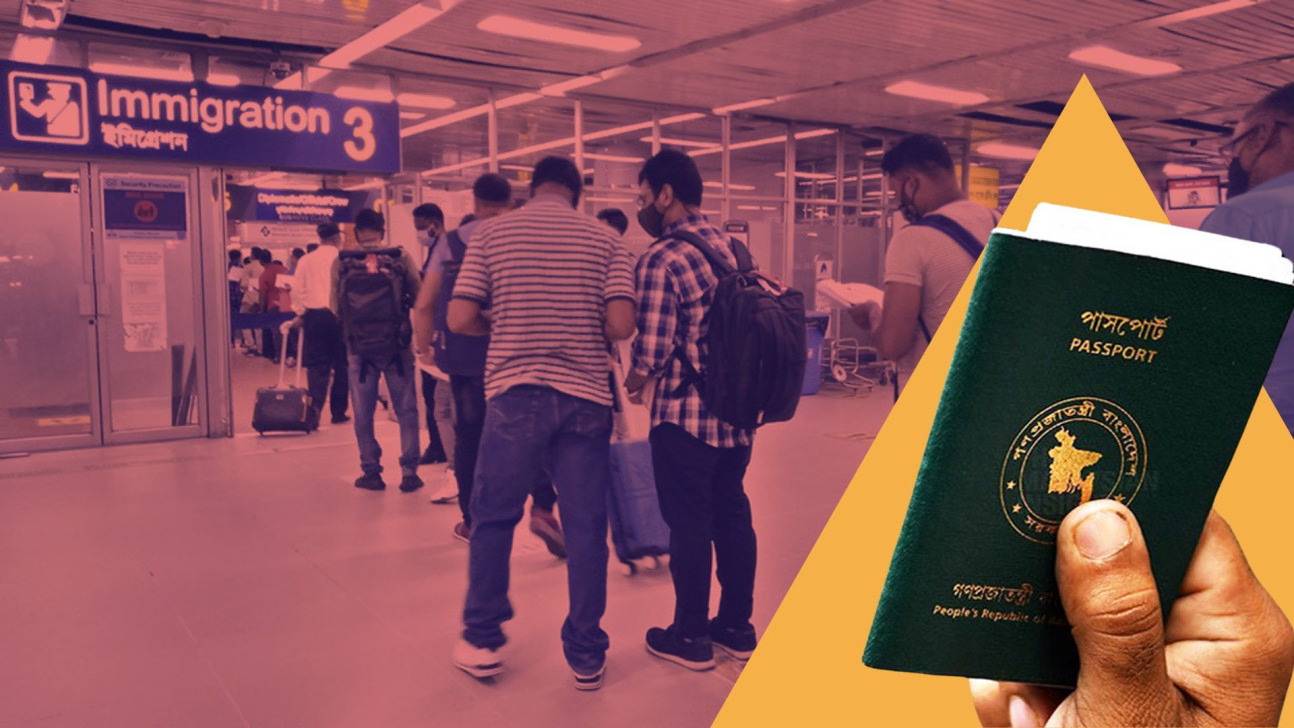
These trends create an extraordinary opportunity for countries like Bangladesh, which already has a long history of migration. About 8–10 million Bangladeshis work abroad, primarily in the Gulf, sending home billions in remittances each year. Yet most of these jobs are low-wage, temporary, and precarious. The future lies not in expanding low-skill migration but in “moving up the value chain”—training youth for better-paying, rights-protected roles in countries like Japan and Korea.
The language barrier — and the market failure
If the opportunity is clear, why has skilled migration from Bangladesh remained so limited? The biggest barrier is language. Learning Japanese or Korean is far more demanding—and far less transferable—than learning English.
A worker who invests months mastering Japanese grammar does so in hopes of passing a government-administered exam that unlocks a specific visa category. If that visa falls through, those skills have little value elsewhere.
Economists call this a market failure: the private incentive to invest in these skills is too low, even though the social benefits—future networks, remittances, and knowledge spillovers—are high. This is why families like Princess’s make extraordinary sacrifices: they are betting against the odds, without insurance, in the hope that opportunity abroad will justify the risk. A model that works this is where public-private partnerships like Onodera User Run (OUR) come in. OUR’s “Straight Through” model removes the financial risk from trainees by offering free Japanese language and vocational instruction. The company is reimbursed by their clients: employers in Japan who pay only after trainees pass the required exams and are successfully placed at their work site. The approach has proven both ethical and profitable: thousands of Filipino, Indonesian, and Myanmar youth have already secured stable jobs abroad through the programme.
Recognising this success, the Bangladesh government signed a Memorandum of Understanding with OUR in April 2025 to replicate the model domestically. This is a true public-private partnership: The Bureau of Manpower, Employment, and Training (BMET) maintains a network of training centres that OUR can use as their training facilities, and OUR will have to recruit proper Japanese language trainers, and bring in skilled staff who can provide vocational training. The partnership was championed by economists and policymakers who saw the potential to transform skilled migration into a sustainable pathway for youth employment. Under this arrangement, Japanese employers co-finance training, while Bangladesh provides regulatory support and facilitates worker protections.
If implemented effectively, this model could do more than create jobs abroad—it could help professionalise Bangladesh’s migration sector, curb exploitation, and align labour supply with the real demands of global markets.
Beyond “brain drain”
Skeptics often raise a familiar concern: if skilled workers leave, won’t the home country suffer a “brain drain”? Decades of evidence suggest otherwise. Recent research I published in Science—co-authored with other leading migration economists from Cornell, The World Bank, UC San Diego, and others —shows that migration opportunities generate more “brain gain” than “brain drain.” When migration pathways open, more people invest in education and skill-building, knowing that global mobility is possible. The result is a net increase in human capital, not a depletion.
Princess’s story makes this theory human. Her younger sister, still in school, watches her study Japanese verbs each night and dreams of her own future. Migration, in this sense, is not abandonment—it is aspiration multiplied.
There is also an ethical question worth asking: why should it be Princess’s duty to stay behind and “develop” her country? Why must individual youth bear the burden of systemic failures in job creation? Development should not be a test of endurance for the young—it should be a promise of opportunity. If nations truly want to retain talent, they must first make life at home livable, dignified, and full of potential.
Until then, helping young people move safely, skillfully, and voluntarily across borders is not a loss—it’s an act of empowerment.
The stakes for both sides
For Japan, the stakes are equally high. Without foreign caregivers and service workers, the country’s ageing population faces higher mortality rates in nursing homes and declining productivity in key industries. Restricting immigration may appear politically popular, but it comes at a profound social and economic cost. The truth is that migrants like Princess are not taking jobs from locals—they are filling essential roles that sustain entire systems of care and commerce.
A shared future
The sight of 900 trainees at the OUR academy in Davao city greeting me in unison with “Konnichiwa” and “Mabuhay” was both inspiring and sobering. Their energy filled the room — the sound of hope spoken in two languages. Soon, I hope to hear “Konnichiwa” from classrooms in Dhaka and Chittagong, too. It symbolised a bridge being built between two nations, but also the weight of hope resting on each young shoulder. These are not charity cases; they are pioneers of a new labour geography—ambassadors of skill, discipline, and ambition.
Princess will soon fly to Japan to begin her new life. Her story should inspire us to imagine a Bangladesh where every young person has a fair chance — whether at home or abroad — to use their talents fully. That is how we will truly honour the promise of our youth and the spirit of the July Uprising.
If Bangladesh and the Philippines can show that ethical, well-regulated migration benefits everyone involved—the workers, the families, the employers, and the states—then Princess’ small study room in Davao may one day be remembered as part of a much larger story: the story of how South Asia’s youth helped rebuild the ageing economies of Asia, while rewriting their own destinies in the process.
Ahmed Mushfiq Mobarak is a Professor of Economics and Management at Yale University.
Send your articles for Slow Reads to slowreads@thedailystar.net. Check out our submission guidelines for details.