


Polls offers new chapters in US-Bangladesh ties
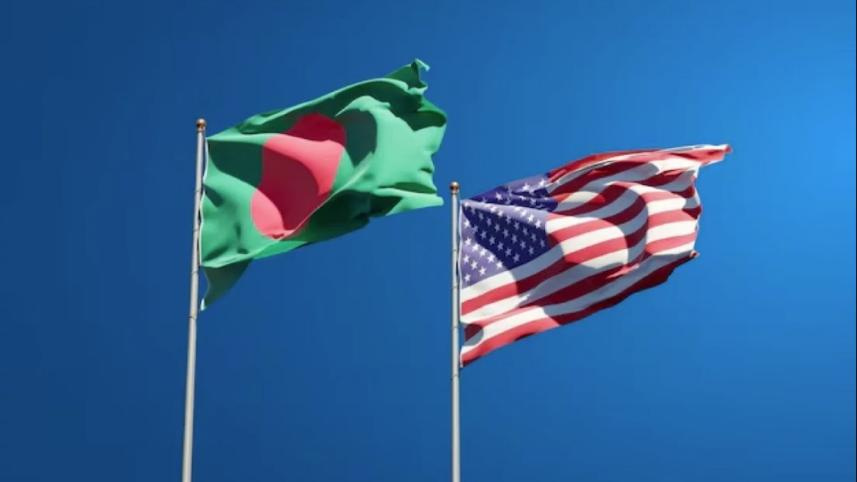
The elections in Bangladesh and Nepal following uprisings offer new chapters for US engagement in South Asia, US Representative Bill Huizenga said.
In an opening remark at a hearing on US foreign policy in South Asia on Wednesday, Huizenga, who is the chairman of South and Central Asia Subcommittee at the US Congress, said Bangladesh holds free polls following its 2024 July uprising, while Nepal, after the uprising, will hold democratic elections next month.

“Both of these instances offer new chapters for engagement in South Asia, defining US relations with these new governments,” the US Representative from Michigan said.
He said South and Central Asia is a dynamic region, young growing populations are more often drawn to western cultures and values than to China’s authoritarian alternative.
Huizenga said South and Central Asia is home to nearly two billion people, dynamic economies and strategic waterways that shape the balance of power in the Indo-Pacific. Throughout the region, US President Donald Trump has successfully negotiated deals that open markets and advance US economic interests.
“Now we are going to engage and how we engage will define America’s role in Asia for decades to come.”
He said China, through its Belt and Road Initiative, engages in “predatory lending to further its security interests and force smaller nations into debt traps”.
Furthermore, China has hardened its border with India, Nepal, and Bhutan, building infrastructure to support its military aspirations, Huizenga said.
“Despite its distance from our shores, maintaining a free and open Indian Ocean is a priority for our national and our economic security.”
The Indian Ocean is one of the busiest maritime corridors on the earth, carrying the lifeblood of global commerce and energy, including more than 80 percent of global seaborne oil trade, the US representative said.
Safeguarding these sea lanes through enhanced naval cooperation with partners and allies will only serve to counter China’s growing influence and limit its malign behaviour in the region, he said.
Preserving America’s military fortitude in the region will deter Chinese coercion, prevent piracy, and ensure the free flow of American and world trade, he added.
Huizenga said the US-India trade deal sets India’s tariff rate at 18 percent, one of the lowest regionally. Moreover, Delhi has agreed to buy more American energy.
“I look forward to increasing cooperation, co-production, and investment, especially under the new framework negotiated by the president.”
At the hearing, Assistant Secretary State for South and Central Asia, S Paul Kapoor, said a hostile power dominating South Asia could exert coercive leverage over the world economy and that the US must prevent this from happening.
He pointed out three broad categories: defence cooperation, targeted investment, and diplomacy. “Defence cooperation includes military sales and transfers, co-development of systems, and platforms and bilateral and multilateral exercises.”
Huizenga said the US has resolved longstanding issues with India in trade relationship as evidenced by the renewed 10-year US India defence framework agreement.
“Targeted investment [in South Asia] can provide these states with high-quality transparent non-coercive support for critical infrastructure like ports.”
 For all latest news, follow The Daily Star's Google News channel.
Comments