


How Dhaka’s micro-communities are changing urban life
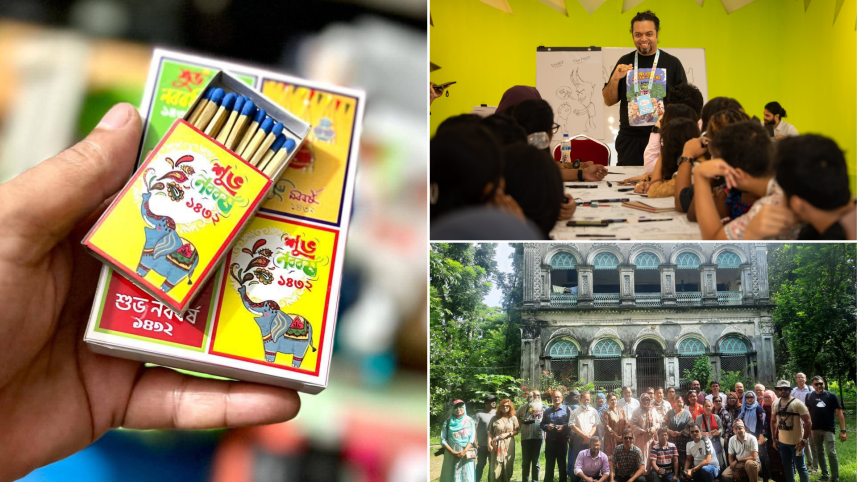
Dhaka is a city of crowds, yet loneliness quietly thrives within it. In a metropolis where traffic steals hours and routines feel endless, residents are searching for something deeply human.
Over the past decade, this search has given rise to a range of micro-communities, small, passion-driven groups that offer a renewed sense of identity. From photography circles, artisan collectives, to hiking groups and heritage preservation efforts, micro-communities are reshaping how people connect in a fragmented city.

Preserving the past to find belonging
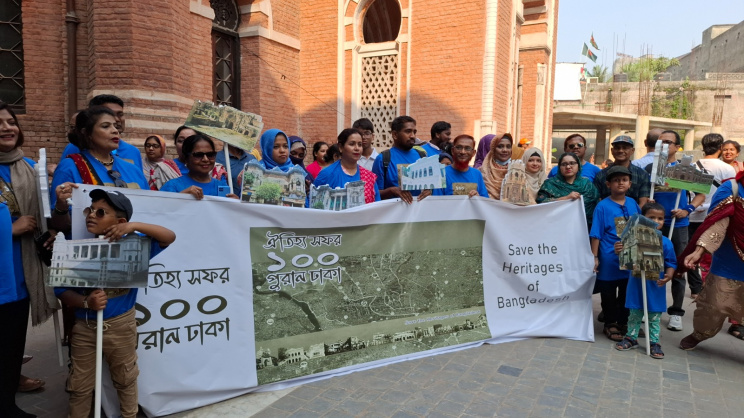
One of Dhaka’s most active heritage-based micro-communities is “Save the Heritages of Bangladesh,” a Facebook group with over 140,000 members that has evolved into a nationwide heritage preservation platform.
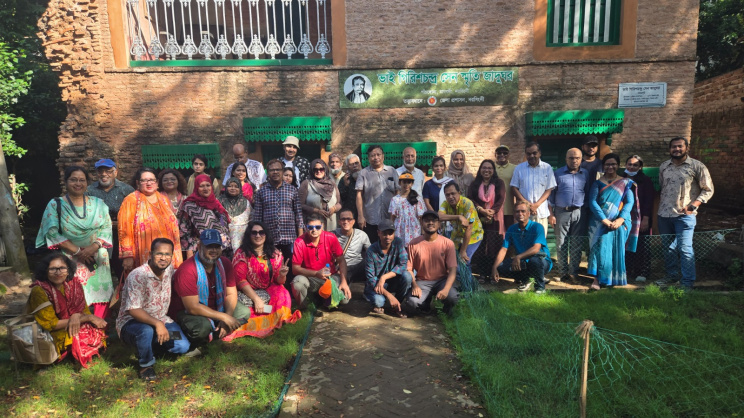
The group organises monthly tours, usually accommodating 30-40 participants, but sometimes may include up to 100. To date, the initiative has completed 109 tours in more than 60 districts across Bangladesh.
According to Sazzadur Rasheed, an architect, academician and admin of the group, they identify unprotected heritage sites and formally inform the Department of Archaeology under the Government of the People’s Republic of Bangladesh. The group has submitted the names of around 500 heritage sites, many of which are currently under government review for official listing.
The group initiates both online and offline awareness campaigns, alongside legal efforts for the preservation of damaged or unknown heritage sites.
Rasheed says, “People are becoming more curious about heritage,” while mentioning the group’s diverse membership, including architects, archaeologists, students, journalists, photographers, doctors, bankers, and professionals from many fields.
He believes the appeal goes beyond history alone. “People naturally love the past,” he notes. Rasheed also emphasises that these micro-communities give people space to breathe, and often become part of their identity in a city like Dhaka, where life is exhausting and fast-paced.
When a hobby becomes a cultural language
Another striking example is the “Bangladesh Matchbox Collectors Club (BMCC),” a niche collective that has grown into a cultural and humanitarian platform. Founded in 2016, the club has now entered its tenth year, with over 1,400 members online and 350 registered members across 11 countries.
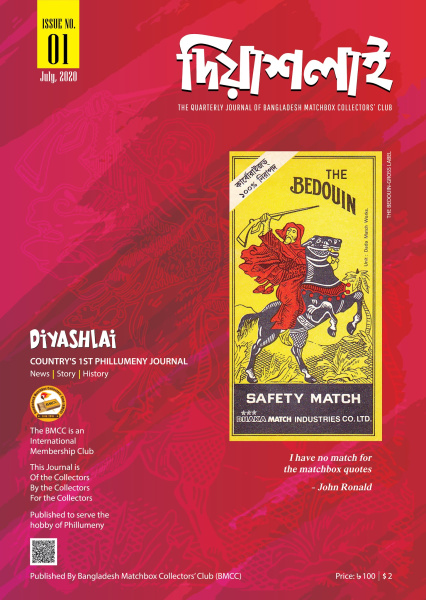
According to Shakil Huq, President of BMCC, the group challenges the idea that collecting is boring.
“This is not just a hobby; it is a cultural centre,” he says. BMCC’s work spans matchbox history and collection, matchbox design, journal publication, cultural documentation, along with human welfare initiatives, animal welfare, and honouring veteran collectors.
Beyond its digital presence, BMCC functions as a physical community, organising two to three annual gatherings. Its members include artists, designers, magicians, photographers, journalists, students, and even High Court judges, showing how shared curiosity can unite people across professions.
For many, BMCC offers relief from monotony, proving that meaning can emerge from even the smallest objects.
Drawing space for the mind
Another creative micro-community shaping Dhaka’s cultural landscape is “Cartoon People,” founded by Rashad Imam Tanmoy in 2016, and now entering its tenth year. The platform connects over 110,000 people through its Facebook Community, while its festivals draw 4,000 to 5,000 attendees.
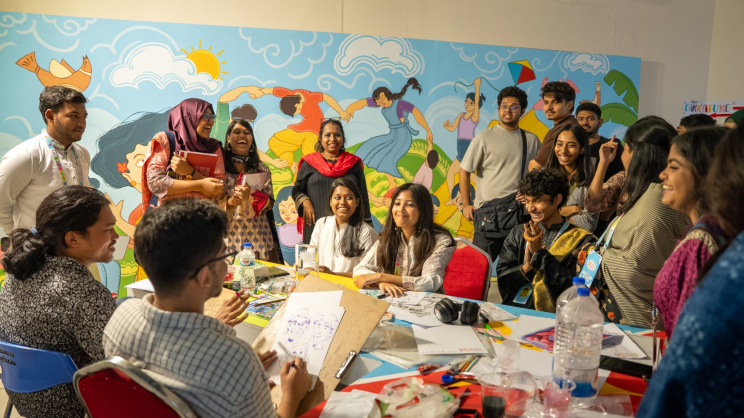
“Cartoon People” hosts live events, maintains its social media groups, and organises online contests, such as one on local character design. Monthly creative challenges involve research, publication, and acknowledgement, while a minimalist black-and-white comic titled “4Patar Comics” adds to its creative output.
“Sharing ideas makes creativity feel acceptable,” says Tanmoy.
During art events, 40 to 50 artists often sit together, turning imagination into collective identity and the community into an emotional refuge.
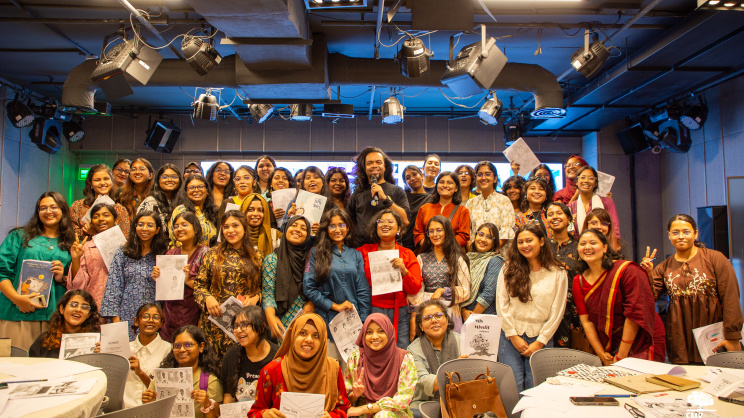
Dhaka’s future may not solely depend on large infrastructures. It may hinge on something far more subtle, like these tiny passionate groups, that stitch human connection back into urban life.
In the end, we do not need the whole city. All we need are a few people who make Dhaka feel softer, warmer, and more ours. These micro-communities are not trends; they are our newest survival strategy.
 For all latest news, follow The Daily Star's Google News channel.
 Photo: Courtesy
Comments