


Are we paying for food or just Instagram aesthetics?
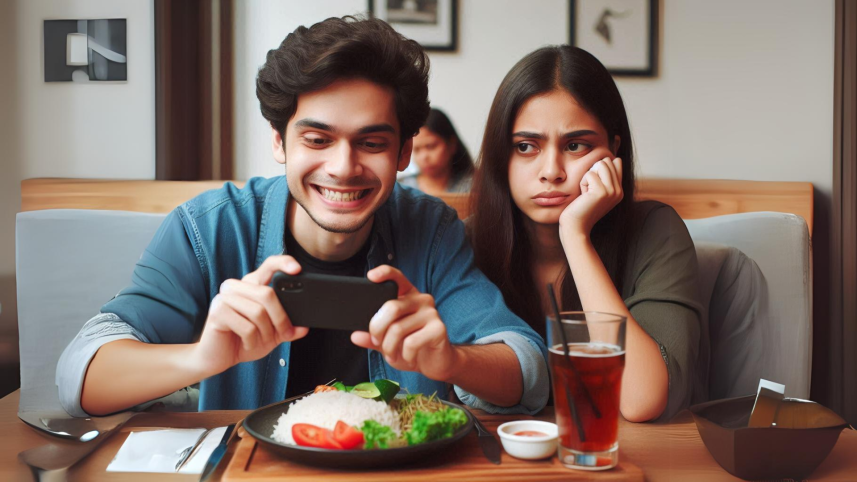
Almost nothing in this world is as universally loved as tasty food. It cuts across cultures, countries, and social classes, bringing people together in ways few things can. However, this raises an important question: Is it necessary to make one’s wallet suffer to keep the stomach happy?
Going out to eat has always been a part of our culture here in this country, whether it be a formal dinner with your family or a casual meet-up with your friends. Recently, both the frequency of going out and the perspective surrounding it appear to have changed. Dining out is no longer only about satisfying hunger; it has increasingly become about the experience surrounding the meal, which often comes with a hefty price tag.

Farhan Hoque, 25, is a self-proclaimed food enthusiast. He says, “A few years ago, eating out meant going to the place with the best food, nowadays the food has become secondary.”
His observation reflects the sentiments of many, who also seem to think that the food alone no longer defines a restaurant’s overall success and appeal. Farhan further emphasises how there has been a shift in the food culture.
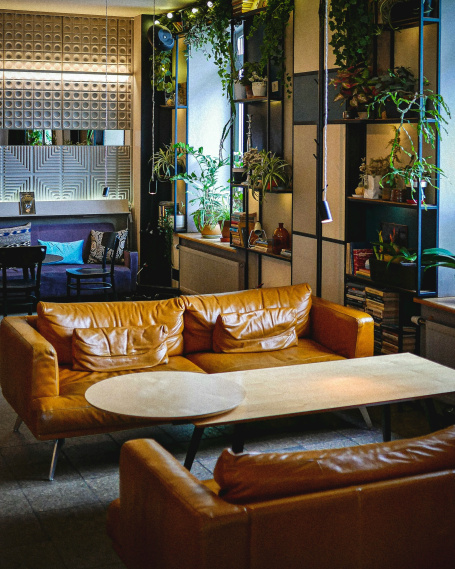
“Restaurant owners now know what will boost their popularity, and that is an Instagram-friendly aesthetic, which causes them to focus on the restaurant design more than the menu,” Farhan added, while citing his frustration.
This generation is largely fuelled and influenced by social media, which causes aesthetically appealing places to attract more customers than flavour-focused ones.
With this recent shift, it may be unfair to blame the restaurant owners as well.
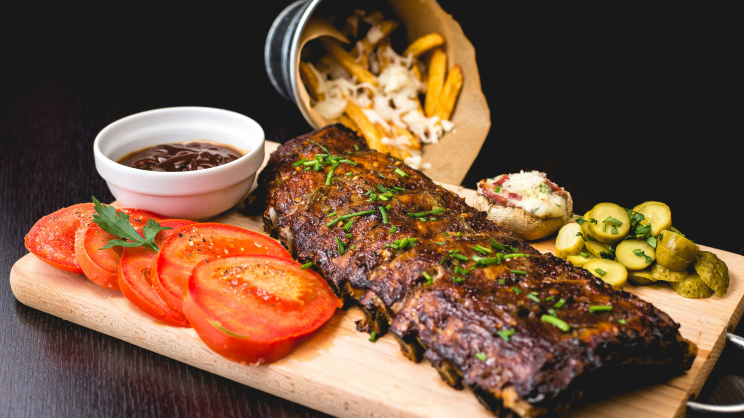
Earlier, what filled their pockets was tasty and filling food. Now that it moved towards a more aesthetic standard, which of course comes with a higher price that the customers have to bear.
“At one point, I got tired of spending money at expensive places and not even being full, and so I started to look for alternatives,” said Afif Rahim, a frequent diner.
Amidst this changing landscape, there also seem to be some exceptions and saviours — places that still do not chase after the trends but rather keep their fundamentals in check. Across the city, a handful of restaurants, street food vendors and family-run kitchens have managed to preserve this balance.
“These are hidden gems that have been around for many years. They focus on fresh ingredients and a simple menu, which helps them to offer items at a reasonable price while maintaining their superior taste,” claimed Afif.
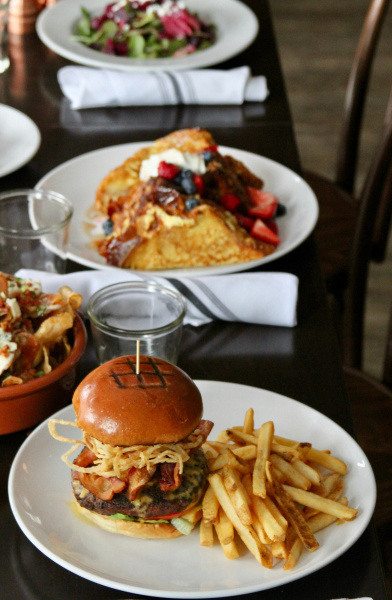
These days, dining out is often framed as an experience to be displayed. Such places serve as a reminder that a restaurant business should have food at its core.
According to Sauda Rahman, an avid food lover, the real issue has to do with attention rather than pricing. “It is not that tasty food has become expensive, but the overall attention of society has shifted away from the places that do the basic things right. The restaurants that focus heavily on interior aesthetics rather than food are usually the ones that rake in the highest profits, and so many others are inspired by this idea.”
Food culture continues to evolve with time, and there remains a demand for places that prioritise flavour rather than flair. Usually, some of the most memorable meals are those that offer a great taste at a good price and prove that a higher price tag does not always guarantee superior taste. As dining becomes more performative, the places that quietly get the food right remind us what truly lasts.
 For all latest news, follow The Daily Star's Google News channel.
Comments