


We don’t need zoos, only safe places for wild animals

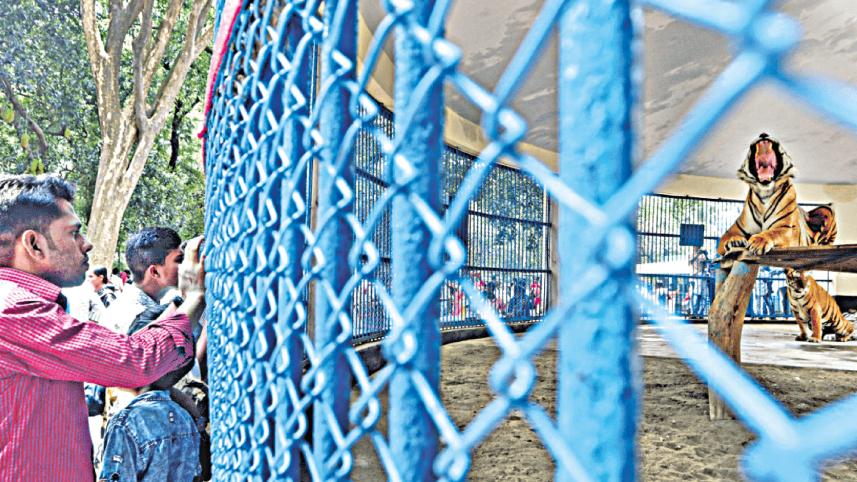
At the beginning of December, a lioness named Daisy slipped out of her cage at Mirpur National Zoo for a few hours, sparking panic and a rushed evacuation. Soon, zoo staff sedated the frightened animal when they spotted her, using an anaesthetic gun. Finally, she was coaxed back into her cage within the night. The zoo director, Dr Rafiqul Islam, hinted at foul play and launched an investigation after finding both iron gates and locks of the cage mysteriously open. Addressing how unlocked gates could have precipitated a far worse disaster had more animals escaped, an investigation committee has been set up to look into the breach. But the damage was long done. Daisy's escape has once again exposed decades of neglect behind those bars.
What the picture did not show
 For all latest news, follow The Daily Star's Google News channel.
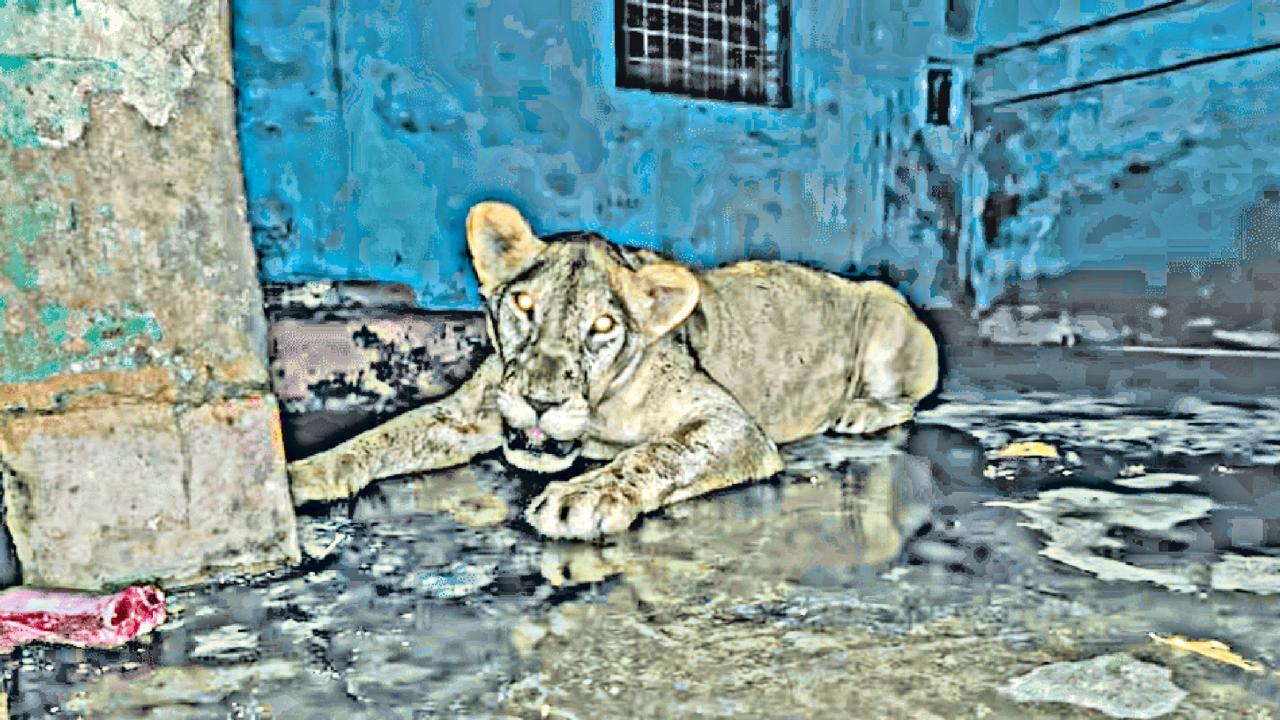
 Even as early news swept over us, making many believe a rampaging predator was loose among the citizens, the truth remained largely unknown. Images of the emaciated lioness—ribs jutting, coat patchy, eyes dull—told a far more sorrowful story. Dr Mohammad Ali Reza Khan, an eminent wildlife conservationist, explains that these signs point not to a sudden crisis but to prolonged deprivation. Chronic malnutrition, lack of proper veterinary attention, hard concrete flooring, and the absence of natural ground surfaces can cause long-term pain, restricted movement, and deformities in captive big cats. Over time, such conditions strip animals of strength, mobility, and dignity.
This case has opened our eyes to a cruel mismatch between law and practice. Bangladesh's 2019 Animal Welfare Act mandates humane care and enrichment for captive creatures, yet enforcement appears to be nearly nonexistent. Over several years, Mirpur Zoo's problems have been raised repeatedly by environmentalists and experts. Investigations have long catalogued the zoo's chronic neglect: underfunded feeding, inadequate veterinary care, tiny barren cages, and decaying facilities that reflect weak planning and reform efforts. Viewed this way, Daisy's escape looked less like rebellion and more like an animal's desperate search for basic care.
The outdated model of animal captivation
Daisy's suffering is not an isolated lapse but a symptom of a deeply flawed system that treats wild animals as display objects rather than living beings. Zoos in Bangladesh evolved without a clear conservation mandate, gradually shifting towards revenue-driven exhibition while losing transparency and accountability. Animals were acquired, transferred, or replaced with little public record, and institutional memory itself became difficult to trace. As Dr Khan puts it,
"There is no publicly verifiable inventory or historical record of animals in our zoos. Even their own institutional history cannot be found, leaving accountability virtually impossible."
Rubaiya Ahmad, an animal advocate and founder of Obhoyaronno–Bangladesh Animal Welfare Foundation, warns that responsibility for captive animals in Bangladesh is fragmented—for example, Mirpur Zoo falls under the Livestock Department, while a safari park would be governed by wildlife authorities. Major welfare blind spots and legal contradictions result from this split. "Animals are not there for our entertainment," she stresses, adding that captivity can be justified only when it forms part of a genuine conservation effort to breed and reintroduce endangered species, not to satisfy a visitor economy.
Learning from a rescue revolution
Not all zoos are beyond reform. In Islamabad, public pressure and a court ruling closed Marghazar Zoo and transformed its grounds into the Margalla Wildlife Rescue Centre, which now treats injured bears, orphaned pangolins, and even a malnourished tiger cub, before relocating those that can be rewilded.
Elsewhere, high-profile failures have forced closures or legal action. The "Tiger King" exotic-cat park in the United States was ordered out of its current operators amid revelations of abuse and litigation. In Britain, the South Lakes Safari Zoo was branded by investigators as one of the worst examples of neglect. It closed after inspectors found animals missing, starving, or kept in wholly inadequate conditions.
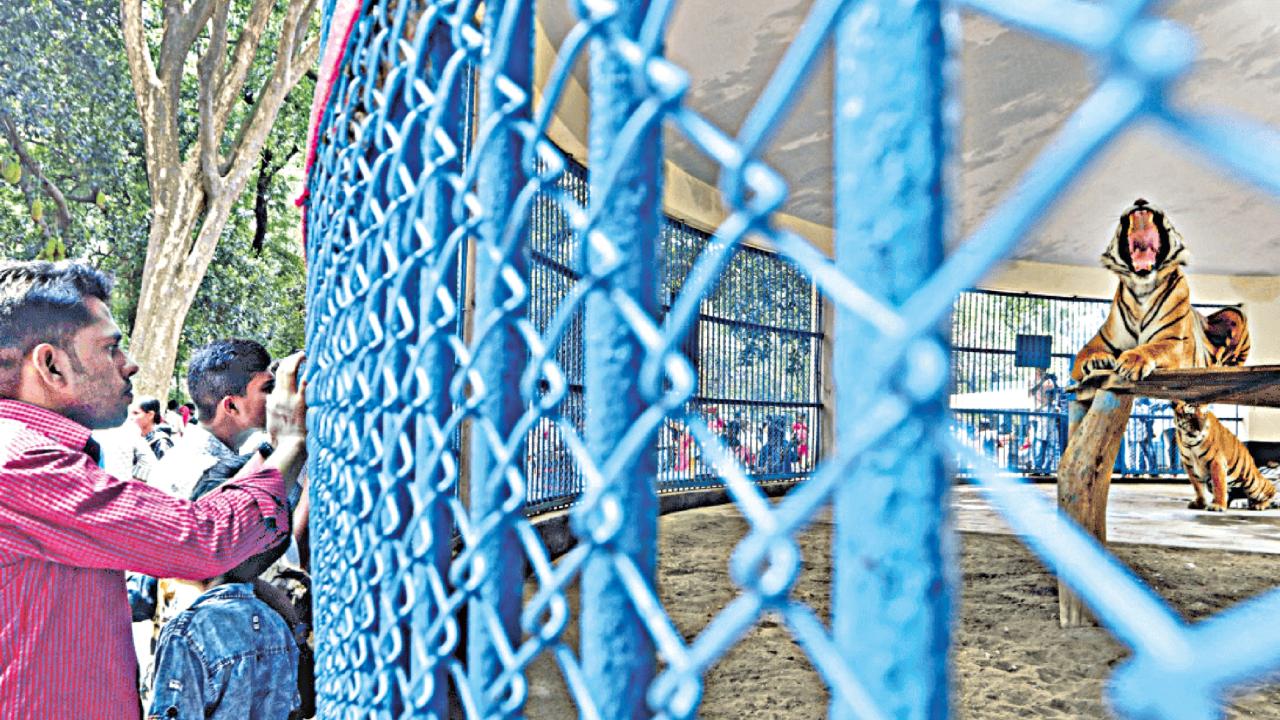
These examples show two things: captivity can be reimagined as rescue and rehabilitation, and sustained public scrutiny can force institutions to choose care over display. For Bangladesh, reform must begin with structural change. Dr Khan stresses that oversight cannot remain internal: "Zoos must be run and overseen by qualified zoological experts and relevant specialists, with transparent, verifiable records of every animal and clear institutional accountability; recurring irregularities at every step must be stopped."
Regular independent audits and an external oversight commission should inspect procurement, transfers, and staffing to prevent the "step-by-step irregularities" he describes. Political or personal, project-driven appointments must be ended, training and clinical capacity expanded, and sanctioning mechanisms put in place so failures are not simply forgotten. These measures would create real accountability and halt recurring governance failures.
From sanctuaries in Africa to wildlife reserves in Singapore, animals long confined have thrived once freed from chains. After all, wild animals already have a voice: in their eyes and bodies, they speak of suffering, and owing them respect and freedom is the least we can do.
Seeing Daisy stumble from her enclosure and recalling Katabon's mass deaths forces a clear conclusion: captivity in any form—in market stalls, pet hubs, or national zoos—must end. We cannot justify keeping wild or domestic animals behind bars for spectacle, profit, or pastime. Authorities should phase out displays, stop new imports, and redirect resources into rehabilitation, reputable sanctuaries, and scientifically managed rewilding where possible. This is a matter of moral responsibility, not convenience. If we truly value life, we should change our policy to stop treating animals as entertainment and restore their welfare and dignity.
Tagabun Taharim Titun is a content executive at The Daily Star and writes to bring overlooked issues to light. She can be reached at taharimtitun@gmail.com.
Send your articles for Slow Reads to slowreads@thedailystar.net. Check out our submission guidelines for details.
Comments