


Chasing the Light
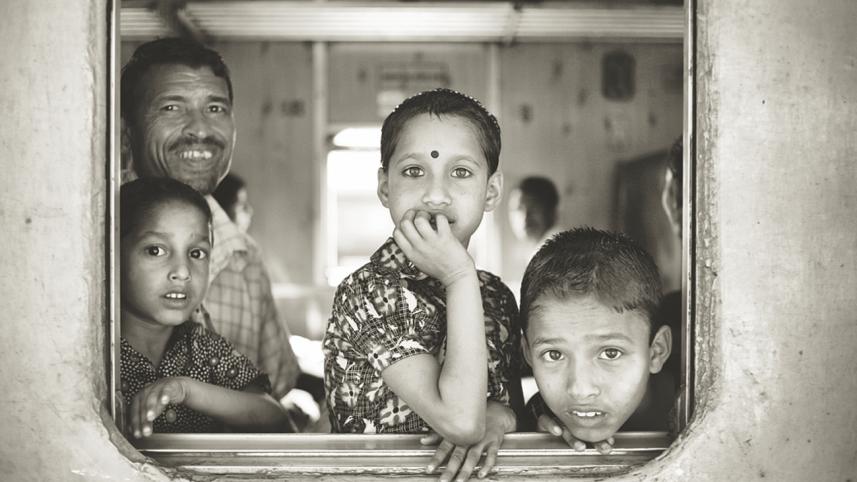
As a photographer I am always chasing light. After all, a photograph is nothing but a map of the light that the camera sees. Good light comes in many guises and the first thing I do before taking a photograph is to observe and evaluate this light.
Like many other photographers, I prefer indirect, subdued light. This can be outdoors on a cloudy day, or light entering a room from a window, or light at sunrise or sunset. The trouble with direct light, such as bright sunlight, is that it creates harsh contrasts and deep shadows. Often the camera is unable to retain details at both light and dark extremes of the scene. Indirect light illuminates more evenly.

The light on a foggy winter morning can delight or frustrate depending on what I am trying to photograph. It is superb for trees and landscapes, lending a dreamy mood to the photograph. However, if I am looking to photograph birds on a winter morning, fog is a disaster. That's because sharpness and detail are crucial in bird photography and fog interferes with that.
Whenever the sun comes out after rain, the air is usually very clear. Photographing landscapes in this light is a joy. It is even better in the morning or afternoon as the angle of the sun reveals details that noontime sun misses.
Some places attract me because of their good lighting. For example, many roads and alleys of old Dhaka, in shade all day due to the buildings which tower on both sides, have nice soft light. Sometimes I find a sliver of sunlight cutting through the gaps between buildings in the afternoon. This light – a slice of brightness among the shadows – can yield dramatic photographs. I often linger at these places for something interesting, for example, a child running by.
Kamalapur railway station is another place with wonderful lighting. The photographer Hasan Chandan, in his photo-book The People of Kamalapur Railway Station, made brilliant use of the station's lighting. I usually head for the platform. As the trains await departure, passengers often look out the windows. The platform's roof cuts out direct sunlight, so the faces are lit by gentle ambient light as in the accompanying photograph.
But my most favourite light in Dhaka is in Lalbagh Kella in the afternoon. The yellow rays of the afternoon sun, the green of the lawns, the festive colours of the clothes, particularly the children's clothes, and the pink of the historical buildings – they all combine to create a magical setting for me.
During monsoon, when the sky darkens with a storm cloud and the sun struggles to find a footing, the light can be quite dramatic. Landscapes photographed in such light sometimes remind us of our true place in creation.
Some years ago I took a photography workshop with Sam Abell - who was with National Geographic for several decades - that changed my (photographic) life. I want to leave you with something I learned from him. Here is what he said: bad weather makes good pictures. How? Bad weather usually brings unexpected light with it, and as photographers we are always chasing the light.
 For all latest news, follow The Daily Star's Google News channel.
Comments